Cure rate, primary BCC
The Gold Standard
Mohs Micrographic Surgery
Mohs micrographic surgery is widely considered the gold standard for treating common types of skin cancer.
It is a highly specialised technique that offers the highest cure rate while preserving as much healthy skin as possible.
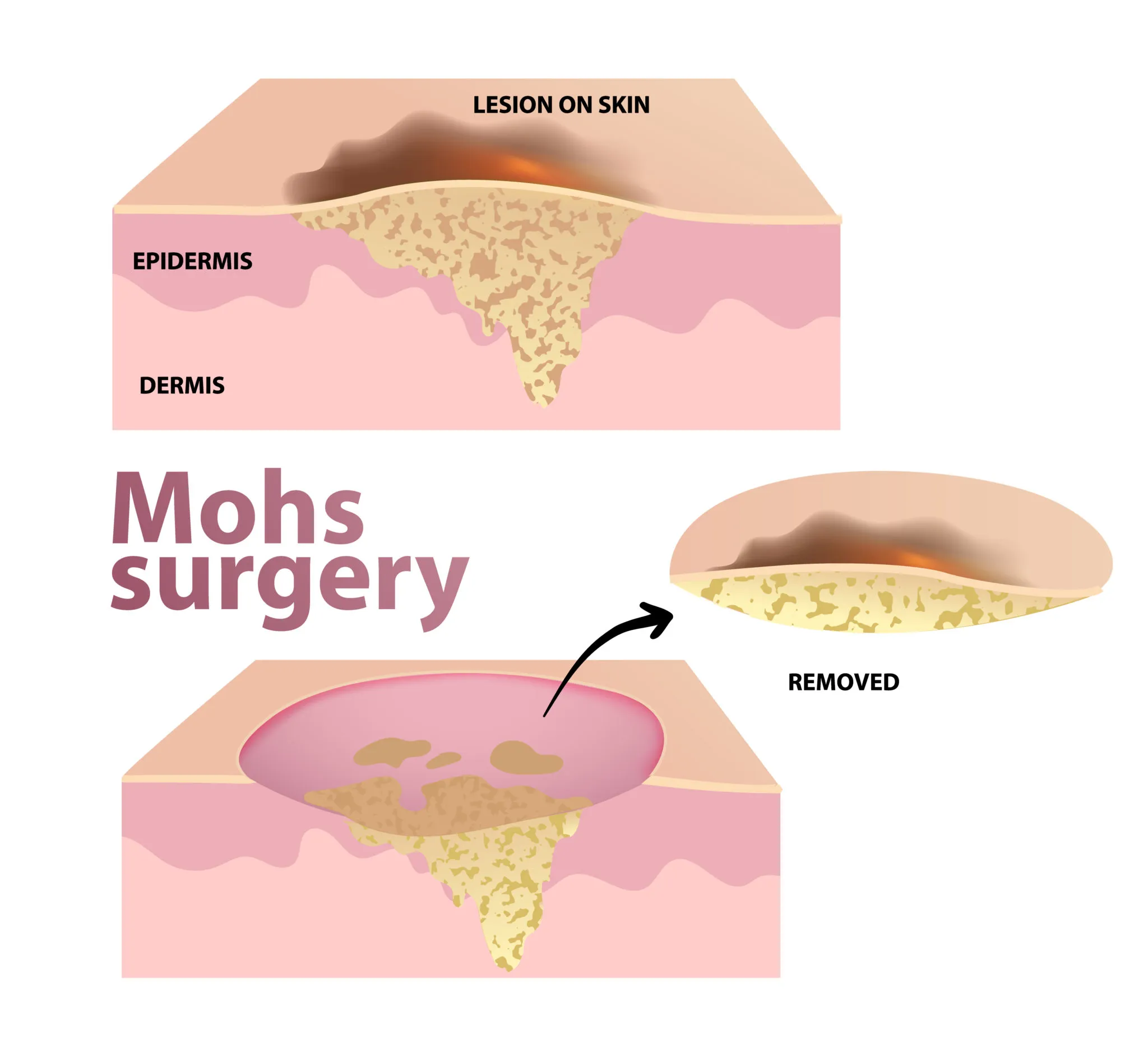
Unlike standard surgical excision, Mohs surgery allows for the immediate microscopic examination of the removed tissue.
The primary advantage of this method is its precision.
Mohs surgery checks every edge of the removed tissue during the operation, with a 99% five-year cure rate for new basal cell carcinoma (British Association of Dermatologists).
- Miss Rakhee Nayar removes the visible tumour along with a very thin layer of surrounding skin.
- This tissue is mapped and processed in an on-site laboratory while you wait.
- The surgeon examines 100% of the surgical margins under a microscope to check for any remaining cancer cells.
- If cancer is still present in a specific area, another thin layer is removed only from that exact spot.
- This process is repeated layer-by-layer until the area is entirely clear of cancer.

Consultant Plastic Surgeon
Miss Rakhee Nayar
Summary
Miss Rakhee Nayar is a highly skilled Consultant Plastic Surgeon based in the North West of England, distinguished by a level of specialisation that is exceptionally rare in the UK. Her expertise is even more specialised.
She is one of 10 women in the UK dual-trained as both a Consultant Plastic Surgeon and a Mohs Surgeon.
For many patients, particularly women facing skin cancer on the face, this provides an added layer of comfort.
Miss Nayar understands the deep emotional and aesthetic impact of facial surgery, offering a relatable, empathetic approach that many patients find deeply reassuring.
Professional Affiliations
✦ BAPRAS Member
British Association of Plastic, Reconstructive and Aesthetic Surgeons
✦ Royal College of Surgeons
Fellowship of the Royal College of Surgeons (FRCSPlast)
✦ GMC Specialist Register
Plastic Surgery
Clinical Excellence
Skin Cancer Treatment
Comprehensive expertise in the diagnosis and surgical management of various skin cancers, ensuring optimal oncological outcomes.
BCC & SCC
Specialized surgical treatment for Basal Cell Carcinoma and Squamous Cell Carcinoma using advanced excision techniques.
Skin Melanoma
Providing specialist care and precise surgical intervention for patients diagnosed with malignant melanoma.
Facial Reconstruction
Expert post-Mohs surgical reconstruction techniques dedicated to restoring both anatomical form and functional integrity.
Training & Development
Senior Consultant Surgeon
She was awarded the FRCS (Plast) in 2017
National Chairwoman
She is the National Chairwoman for Mohs training within the Training Interface Group (TIG)
Global Training
She completed specialist post-certification training in Mohs surgery both in the UK and in San Diego, USA
The Patient-Centred Philosophy
The same surgeon plans the cancer removal and the reconstruction, and performs both. Each case is assessed on the day rather than against a standard protocol.
Miss Rakhee Nayar
Consultant Plastic Surgeon, dual-trained in Mohs micrographic surgery
Gentle Removal
Who is Suitable for Mohs Micrographic Surgery?
Mohs surgery is not required for every type of skin cancer, but it is the preferred choice for specific cases.
It is particularly effective for Basal Cell Carcinomas (BCC) and Squamous Cell Carcinomas (SCC).
Miss Rakhee Nayar typically recommends this procedure if your diagnosis meets the following criteria:
- High-Risk Locations: The cancer is located in delicate areas where preserving healthy tissue is vital, such as the nose, eyelids, lips, or ears.
- Recurrent Cancers: The tumour has returned after previous treatments.
- III-Defined Edges: The cancer has edges that are difficult to see with the naked eye, making it hard to determine where the tumour ends and healthy skin begins.
- Aggressive Cancers: The type of skin cancer is known to be more aggressive or has a higher risk of spreading.
- Large Tumours: The cancer is large in size or growing rapidly.
Request an e-Consultation
Miss Nayar offers a convenient e-Consultation service for patients seeking a specialist opinion from across the UK and overseas. This secure digital pathway enables remote assessment of skin lesions and concerns, providing a prompt clinical recommendation.
It is an ideal first step for those considering Mohs surgery or reconstruction before travelling for an in-person appointment.
Begin Your Healing
Effectiveness and Benefits of Mohs Surgery
Mohs micrographic surgery is the most effective treatment for most types of skin cancer. It provides the highest possible cure rate while being the least invasive surgical option. Miss Rakhee Nayar recommends this technique for several key reasons:

Cure rates
Mohs surgery offers cure rates of up to 99% for previously untreated basal cell carcinoma, and up to 94% for recurrent tumours, according to the British Association of Dermatologists.
99%
CURE RATE, PRIMARY BCC
“The gold standard for treating skin cancer”
The Convenience of "See and Treat"
A single-visit process where pathology and reconstruction happen same-day. Leave the clinic cancer-free and restored under the expert hands of Miss Nayar
- One visit, complete process.
- Results delivered same day.
- Same-day reconstruction
- Complete piece of mind
Cost-Effective & Safer
Prioritising your well-being with local anaesthetic and long-term financial efficiency
Lower Risk Profile
Conducted under local anaesthetic, removing the complexities of general sedation and speeding up your return to routine.
Minimal Downtime
Most patients resume light activities within 48 hours, benefiting from integrated specialised post-operative care.
Reduced Recurrence
Long-term cost-effectiveness is achieved by significantly lowering the chance of cancer returning and requiring further surgery.
Aesthetic Integrity
By sparing as much healthy skin as possible, we achieve superior cosmetic results & functional preservation.
Confidence Restored
The Patient Journey - What Happens During Mohs Surgery?
Understanding the steps of the procedure can help reduce any anxiety you may feel on the day. Miss Rakhee Nayar performs Mohs surgery as a precise, multi-stage process to ensure the complete removal of the cancer, followed by same day reconstruction where possible.
Local Anaesthetic
- The procedure is perfromed while you are awake.
- Miss Nayar will numb the area with a local anaesthetic.
- This ensures you feel no pain during the surgery.
01
02
Surgical Removal
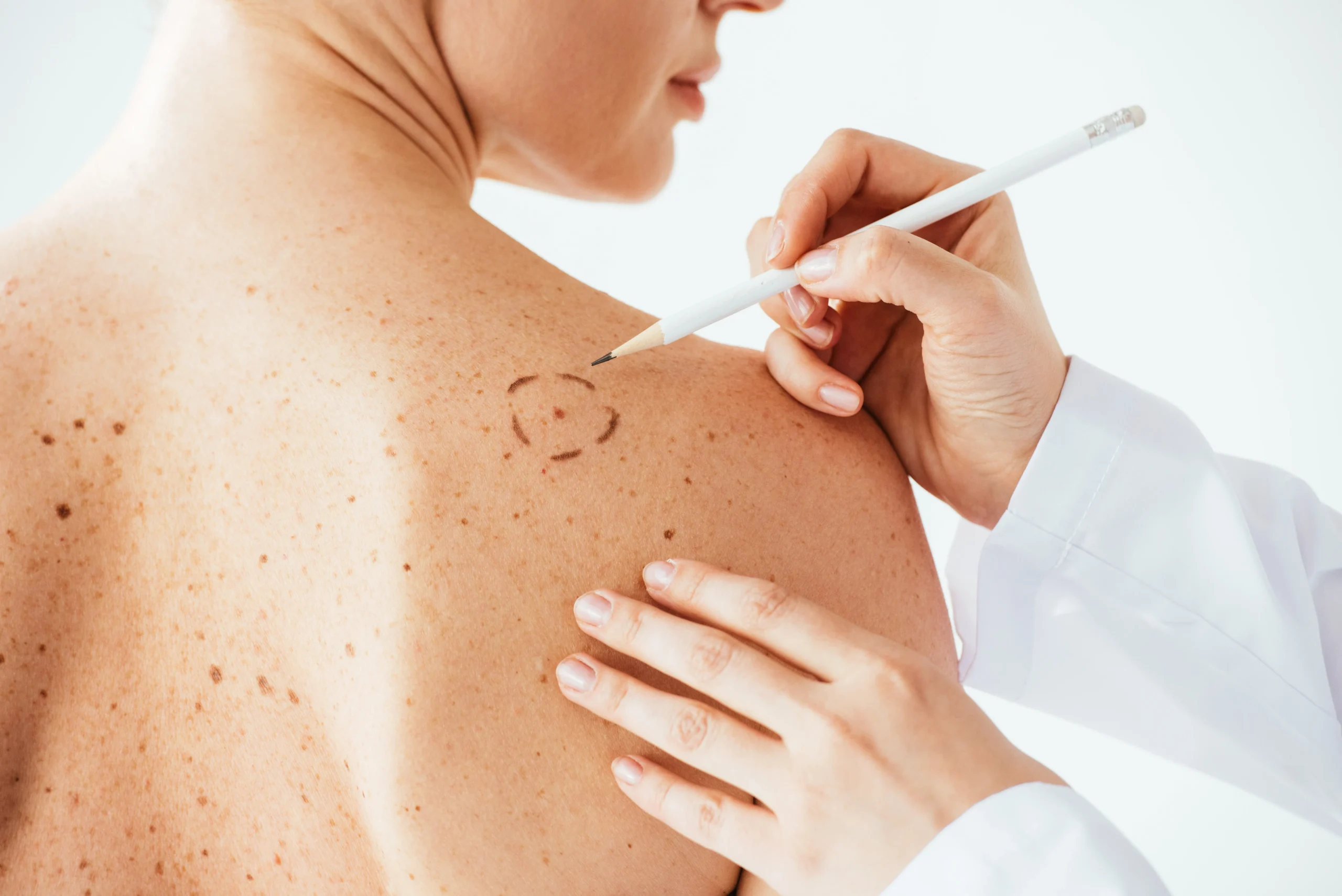
- Once the area is numb, the visible tumour is removed.
- A very thin layer of surrounding tissue is then taken.
- This layer is carefully mapped and divided into sections.
The Waiting Period
- While you wait comfortably in the dressing room, the tissue is processed in the on-site lab.
- The tissue is frozen & horizontally cut into microscopic slices allowing full examination.
- Miss Nayar examines these slices under a microscrope to look for cancer cells.
- This part of the process usually takes about 60 to 90 minutes.
03
04
Repeat If Necessary
- If cancer cells are still seen at the edges, another thin layer of tissue is removed.
- This is only done in the specific area where the cancer remains.
- The process repeats until the entire margine is clear.
The "Clear" Result
- Once the microscopic examination shows no remaining cancer, the surgery is complete.
- Miss Rakhee Nayar will then discuss the best options for closing the wound.
05
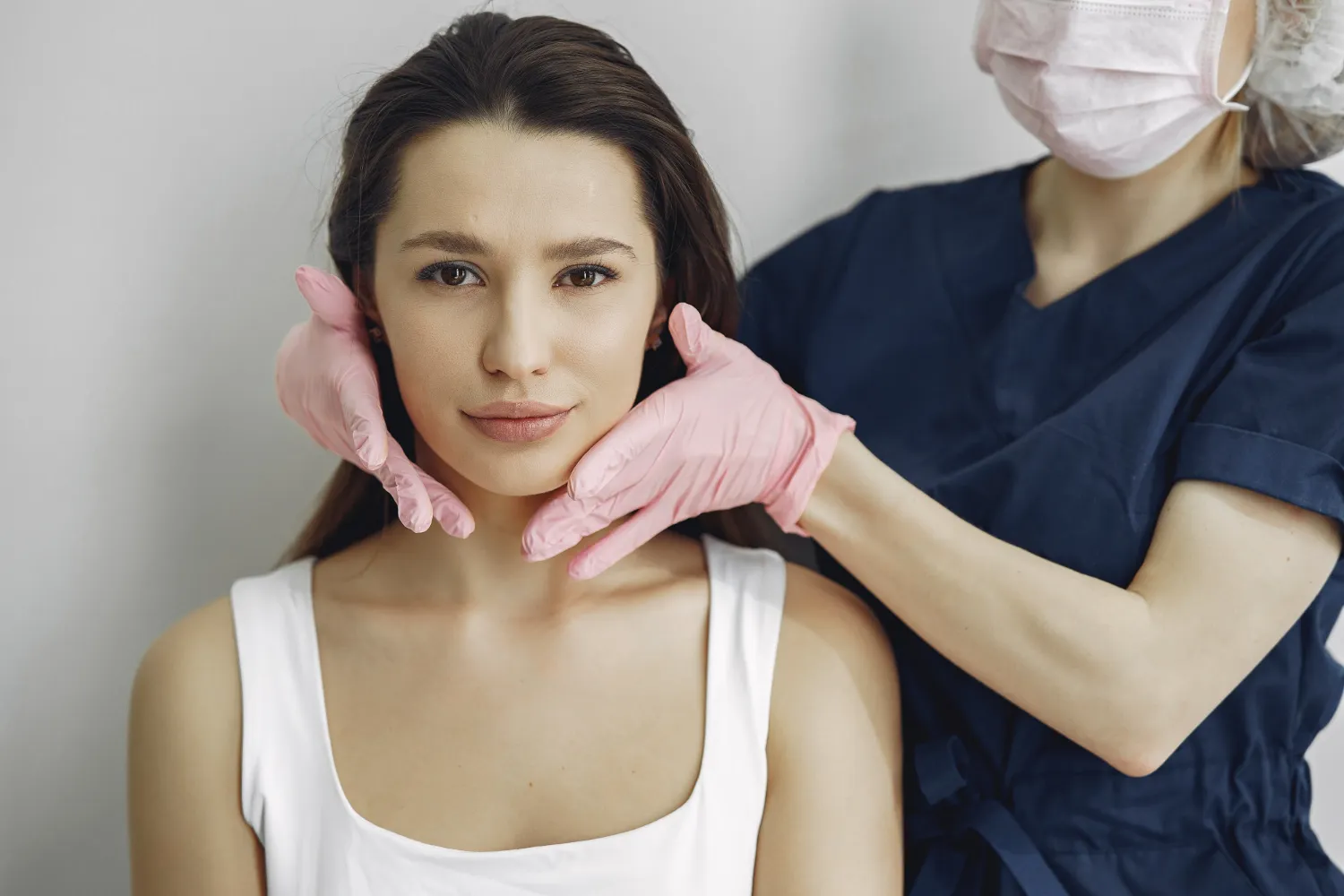
Complete Peace
What happens when the entire tumour has been removed?
Once Miss Rakhee Nayar confirms that the margins are clear of cancer, the next stage is the repair of the wound.
Because Miss Nayar is a Consultant Plastic Surgeon, she is uniquely qualified to offer advanced reconstruction as part of the same procedure on the same day.
The choice of reconstruction depends on the size and location of the wound, as well as your personal preference for the final aesthetic outcome.
Reconstruction Options
In most cases, this reconstruction is performed on the same day as your Mohs surgery.
Miss Nayar’s primary goal is to restore the natural appearance and function of the area while ensuring the best possible cosmetic result.
- Natural Healing (Secondary Intention): Small or shallow wounds in certain areas may be left to heal naturally on their own.
- Direct Stitches (Primary Closure): For many patients, the edges of the wound can be brought together and secured with fine stitches.
- Skin Flap: This involves moving healthy skin from an adjacent area to cover the wound. Miss Nayar carefully hides the scars in natural skin lines depending on the configuration of the defect.
- Skin Graft: In some cases, a small piece of skin is taken from another part of the body (such as in front of the ear or the neck) and placed over the surgical site.
- Complex Reconstruction: For larger or more functional areas, Miss Nayar uses her specialist plastic surgery training to perform intricate facial reconstruction.
Comfort First
How to Prepare for Your Mohs Surgery
Proper preparation can help your day run smoothly and reduce any concerns you may have.
Miss Rakhee Nayar and her team will provide specific instructions, but here are the general guidelines to follow:

Medication and Health
- Continue taking most of your regular medications as usual.
- Blood Thinners: If you take blood-thinning medication (such as Warfarin, Aspirin, or Clopidogrel), please inform the clinic in advance.
- You may be asked to adjust your dose, discontinue for a period or continue as normal, depending on your specific medical history and the pre operative assessment.
- Do not stop any prescribed medication unless specifically instructed to do so by Miss Nayar or your GP.
On the Day of Surgery
- Eat a Good Breakfast: Unlike some other surgeries, you do not need to fast. A substantial meal will help you feel more comfortable during the day.
- What to Wear: Choose comfortable, loose-fitting clothing.
- It is best to wear a shirt or top that buttons or zips up the front, so you do not have to pull it over your head after the procedure.
- Entertainment:As the lab processing takes time, feel free to bring a book, tablet, or puzzles to keep you occupied during the waiting periods.
Travel and Aftercare
- Arrange Transport Home: While you will be awake, the procedure can be tiring.
- We recommend that a friend or family member drives you home or that you arrange a taxi.
- You should avoid driving yourself immediately after surgery, especially if the treatment is near your eyes.

Worry-Free Future
Life Expectancy and Long-term Outlook
Mohs surgery is a localised procedure that does not reduce your life expectancy; rather, it protects your health by definitively removing potentially dangerous tumours.
Because every margin is checked under the microscope before the wound is closed, Mohs offers the highest cure rate of the treatments available for basal cell carcinoma.
Most patients enjoy a normal life expectancy after treatment, provided they continue with regular skin checks and sun protection to monitor for any new developments.
Circle cheshire Clinic
The Courtyard, Hall Ln, Wincham, Northwich CW9 6DG, United Kingdom
07740 306144
contact@mohssurgeon.co.uk
Schedule Your Visit
Where to See Miss Nayar
Miss Rakhee Nayar provides specialist Mohs and reconstructive surgery at Circle Health Cheshire Clinic. This modern, private facility offers expert care in a discreet environment for patients across Cheshire and the North West.
Real Stories. Real Success
Patients Feedback


What Our Patients Say
Concerned About Skin Cancer?
Book a Specialist Assessment
Early detection is vital for the successful treatment of skin cancer and can contribute to achieving the best aesthetic outcomes. Contact Miss Rakhee Nayar’s clinic today for a comprehensive evaluation by a dual-trained Mohs doctor and plastic surgeon.
or Call Us Now
07740 306144


Frequently Asked Questions
We're Always Here to Help You
How long will I need to stay in the hospital?
Mohs surgery is an outpatient procedure performed under local anaesthetic, so you will not need to stay in the hospital overnight. Most patients spend several hours at the clinic while the tissue is processed and mapped in the on-site laboratory.
What are the complications of this treatment?
Complications are rare but can include minor bleeding, bruising, or localised swelling. Some patients may experience temporary numbness around the surgical site, and Miss Nayar will provide clear instructions to help you minimise the risk of infection.
How should the treated area be cared for at home?
You should keep the surgical dressing dry and intact for up to one week after your procedure. After this timeframe and when advised by the clinic staff, clean the wound gently as instructed using saline or plain water and avoid strenuous exercise for several days to prevent stretching the stitches.
Will the surgery be painful?
The procedure is performed under a local anaesthetic to ensure you feel no pain during the surgery itself. Any post-operative discomfort is usually mild and can be managed easily with standard over-the-counter painkillers.
How long does the entire process take?
While the actual surgical removal is quick, the microscopic laboratory analysis takes a significant amount of time. You should plan to be at the clinic for the majority of the morning or afternoon to allow for the mapping and reconstruction. For extensive cases, allow longer. Sometimes there can be unanticipated delays due to processing but this is rare.
Will I be left with a scar?
Any surgical procedure results in a scar, but Miss Nayar uses her plastic surgery expertise to make it as discreet as possible. She often places incisions within natural skin creases or “smile lines” to help them blend in where possible.
Can I eat and drink before the surgery?
You can eat and drink normally before your appointment as you do not need to fast for local anaesthesia. We encourage you to have a good breakfast to ensure you remain comfortable during your time at the clinic.
When can I return to work?
You may need a few days of rest to allow the wound to begin healing and to minimise infection risks. If you have had a skin graft or flap you may need longer (2-3 weeks).