Protecting Your Natural Features
Skin Cancer Treatment & Surgery | Mohs Specialist Miss Rakhee Nayar
Receiving a skin cancer diagnosis can be daunting. Miss Rakhee Nayar specialises in Mohs micrographic surgery, which checks the full surgical margin under the microscope during the procedure and preserves as much healthy skin as possible.
Women in the UK dual-trained in Mohs and plastic surgery
of 36 patients would recommend Miss Nayar (PHIN, September 2026)
Leaving Cancer Behind
Skin Cancer Surgery
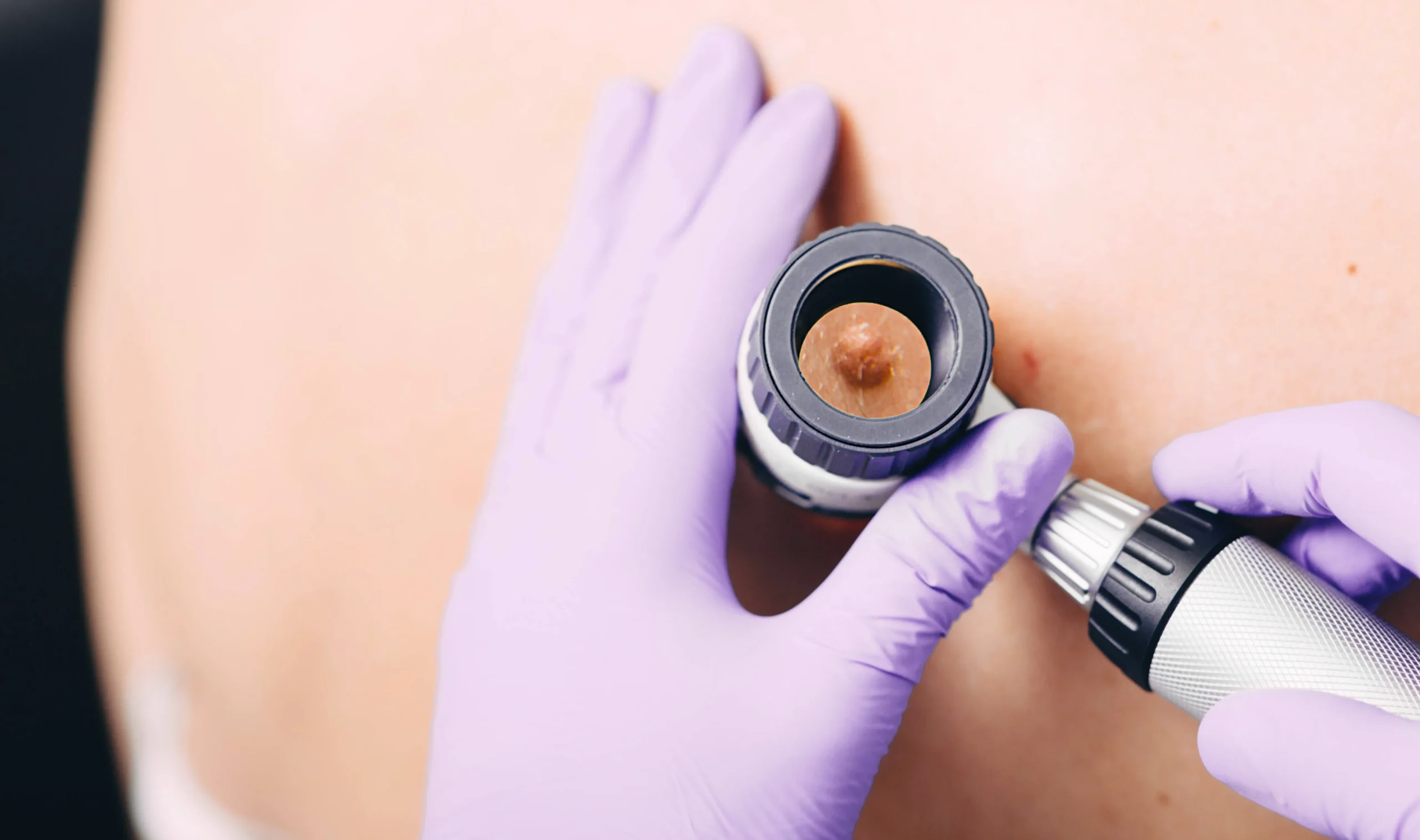
Receiving a skin cancer diagnosis can feel overwhelming, but highly effective treatments are available to protect your health. There are numerous treatments for skin cancer, ranging from topical creams to standard excision and radiation therapy.
Miss Rakhee Nayar specialises in Mohs surgery, a technique that checks every margin under the microscope and preserves as much surrounding healthy tissue as possible.
- Maximum Healthy Tissue Preservation
- Support Before and After Surgery
- Bespoke Cancer Treatment
Why Mohs is Often the Best Choice
What is the Treatment for Skin Cancer?
There is no single treatment for skin cancer. The best approach depends on the tumour’s type, size, and location.
However, Mohs micrographic surgery is widely considered the gold standard. This is especially true for cancers on highly visible or delicate areas like the face, neck, and hands.
Miss Rakhee Nayar specialises in this highly precise surgical technique. Mohs surgery tracks and removes the cancer at its roots. Each margin is checked under the microscope during the procedure, before the wound is closed. It also preserves as much healthy tissue as possible.
Skin Cancer Surgery for All Skin Types
Types of Skin Cancer We Treat
Miss Rakhee Nayar provides expert diagnosis and specialised surgical care for the primary forms of skin cancer. Because each type originates in different cells and behaves differently, accurately identifying the specific cancer is the first step in planning treatment that protects both your health and your appearance.
Basal Cell Skin Cancer Treatment (BCC)
BCC is the most common and slow-growing skin cancer, often found on the face and neck. Mohs surgery is highly effective for BCC. It completely removes the cancer roots while preserving healthy tissue and minimising scarring.
Squamous Cell Skin Cancer Treatment (SCC)
SCC is the second most common skin cancer. If left untreated, it can grow deeper and spread. Surgical removal, including Mohs surgery for high-risk areas, takes out the tumour together with the margin around it, which is checked under the microscope during the procedure.
Treatment for Melanoma Skin Cancer
Melanoma needs prompt assessment and treatment. This typically involves a diagnostic biopsy, followed by a wide local excision that removes the tumour along with a margin of surrounding skin.
Request an e-Consultation
Our e-consultation service provides a convenient, secure way to receive a professional assessment from the comfort of your home. By sharing your current condition and your clinical history, you can obtain expert surgical advice and a preliminary treatment plan before visiting the clinic in person.
The Gold Standard
What is Mohs Surgery for Skin Cancer?
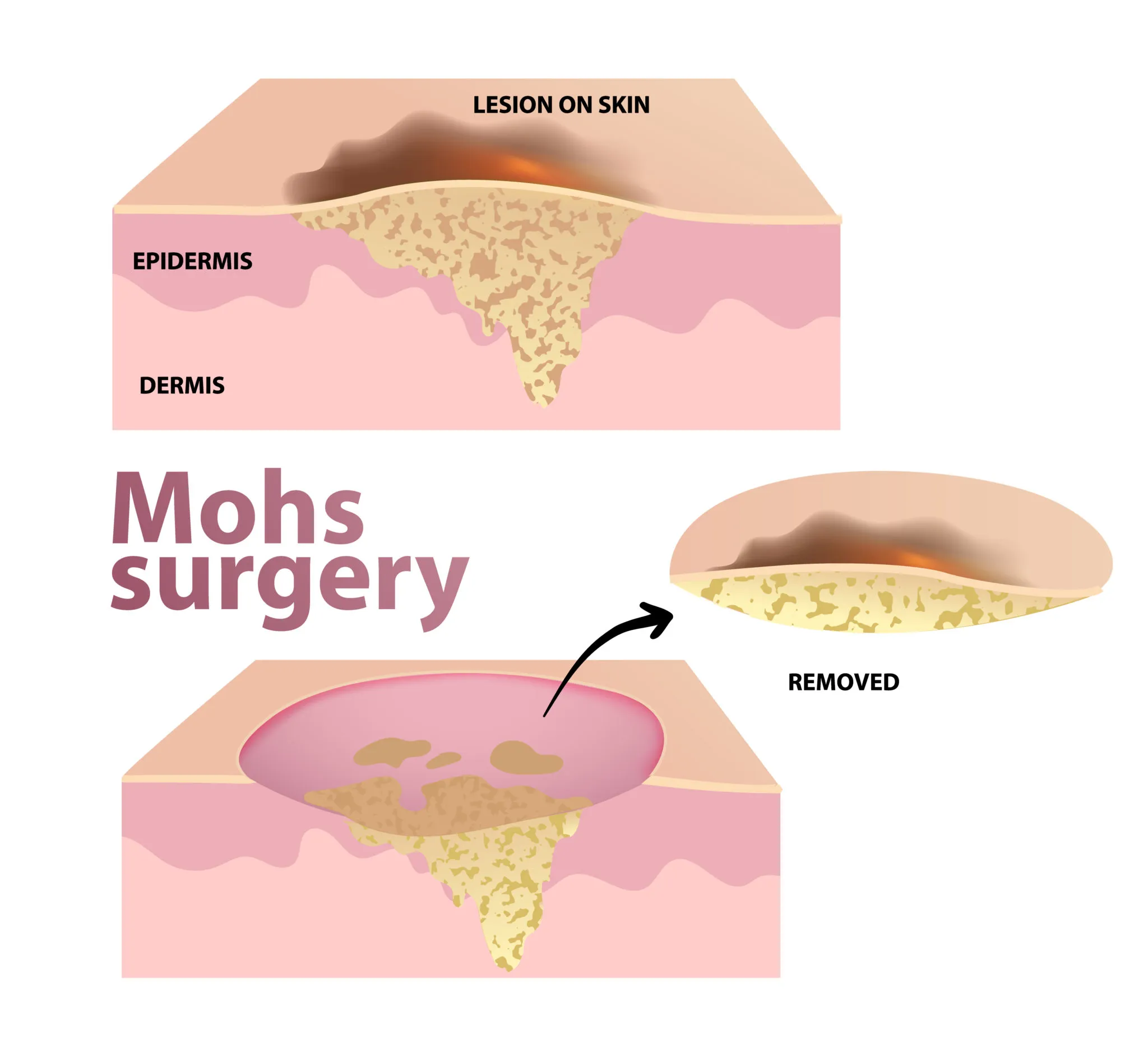
Mohs micrographic surgery is a specialised technique that aims to remove skin cancer completely while preserving healthy skin. During the procedure, the surgeon removes the cancerous tissue one very thin layer at a time.
After each layer is removed, it is immediately examined under a microscope in an on-site lab. The slides are reported both by your surgeon and by a consultant pathologist who is on site.
This means the margin is confirmed clear before the wound is closed.
If any cancer cells remain at the edges, the surgeon knows exactly where to target the next layer. This step-by-step process continues until no microscopic cancer cells are detected.
Ultimately, this approach allows the surgeon to trace and remove the cancer’s hidden roots without sacrificing any unnecessary healthy tissue around the wound.
- Full Margin Checked
- Minimises Visible Scarring
- Preserves Healthy Tissue
- Same-day Lab Results
- Same-Surgeon Reconstruction
Understanding the Process
How Mohs Surgery Works
Knowing what to expect can help ease any anxiety on the day of your procedure. Mohs surgery is performed as an outpatient procedure in the clinic. Here is a simple, step-by-step breakdown of how the process works:
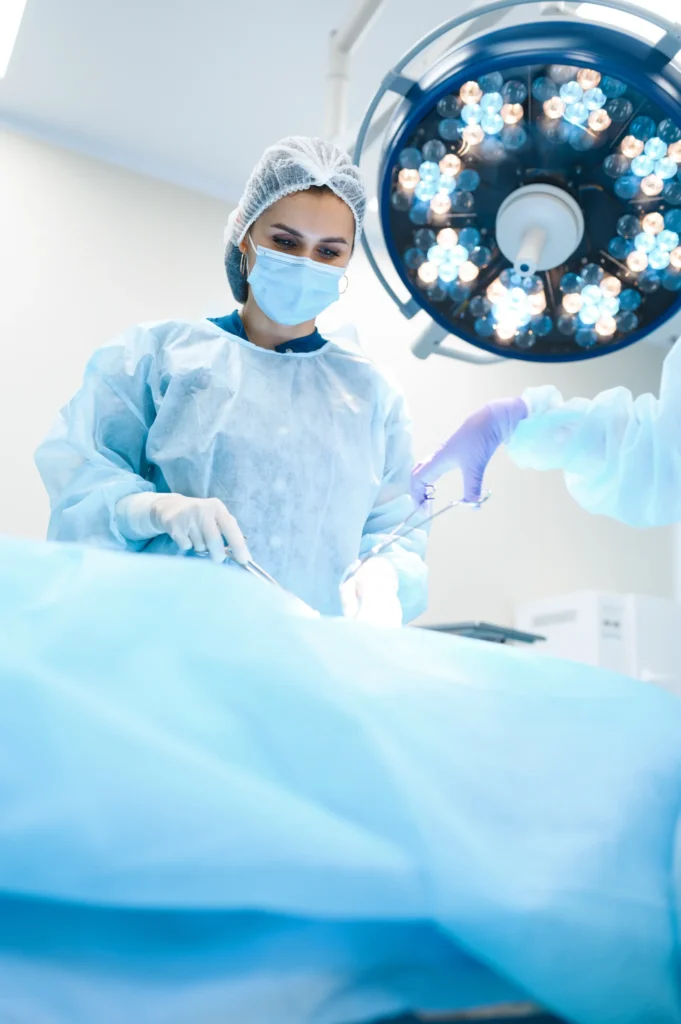
The treatment area is completely numbed so you remain awake but feel no pain. Typically a mix of long and short acting local anaesthetic is given which will continue to work whilst you await your results. Miss Nayar then surgically removes the visible portion of the skin cancer along with a very thin layer of underlying tissue.
Your wound is temporarily dressed, and you can relax comfortably in the waiting area. Meanwhile, the removed tissue is processed in the on-site lab. Miss Nayar examines it under a microscope to check for any remaining cancer cells at the edges. The slides are dual reported by an on site consultant Pathologist.
If cancer cells are still present, Miss Nayar pinpoints their exact location. You will return to the procedure room, and she will remove another thin layer of tissue only from the precise area where the cancer remains. Steps 2 and 3 are repeated until the sample is entirely clear of cancer.
Once the area is 100% cancer-free, Miss Nayar will repair the wound. Depending on the size and location, she will use advanced reconstructive techniques (like carefully placed stitches or a small skin flap) to support healing and keep scarring as limited as possible.
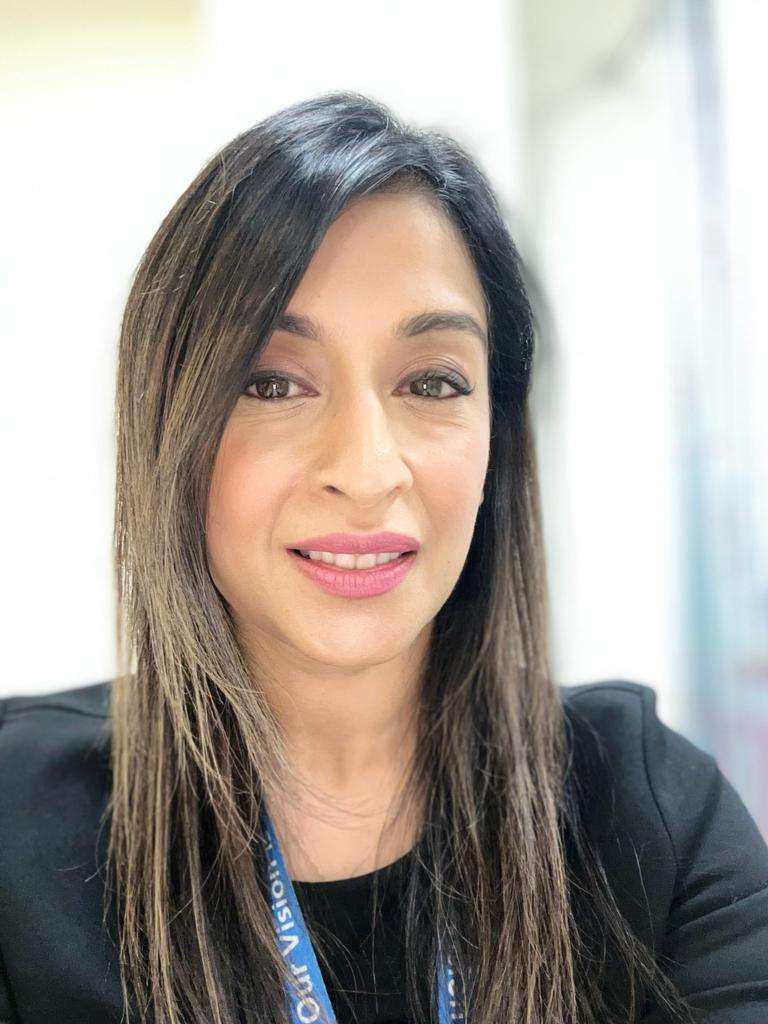
Precision surgery. Natural results.
Why Patients Choose Miss Rakhee Nayar
When facing a skin cancer diagnosis, you need the disease removed completely, alongside the reassurance that your appearance will be carefully preserved. Patients consistently trust Miss Rakhee Nayar because she uniquely delivers both.
Here is how her dual training directly benefits you:
Clinical Background & Professional Affiliations
She is fully accredited and recognised by surgical bodies, including the Royal College of Surgeons of Edinburgh (RCSEd) and the British Association of Plastic, Reconstructive and Aesthetic Surgeons (BAPRAS).
Miss Nayar chairs the Mohs Surgery Training Interface Group (JCST), the national committee for Mohs fellowship training.

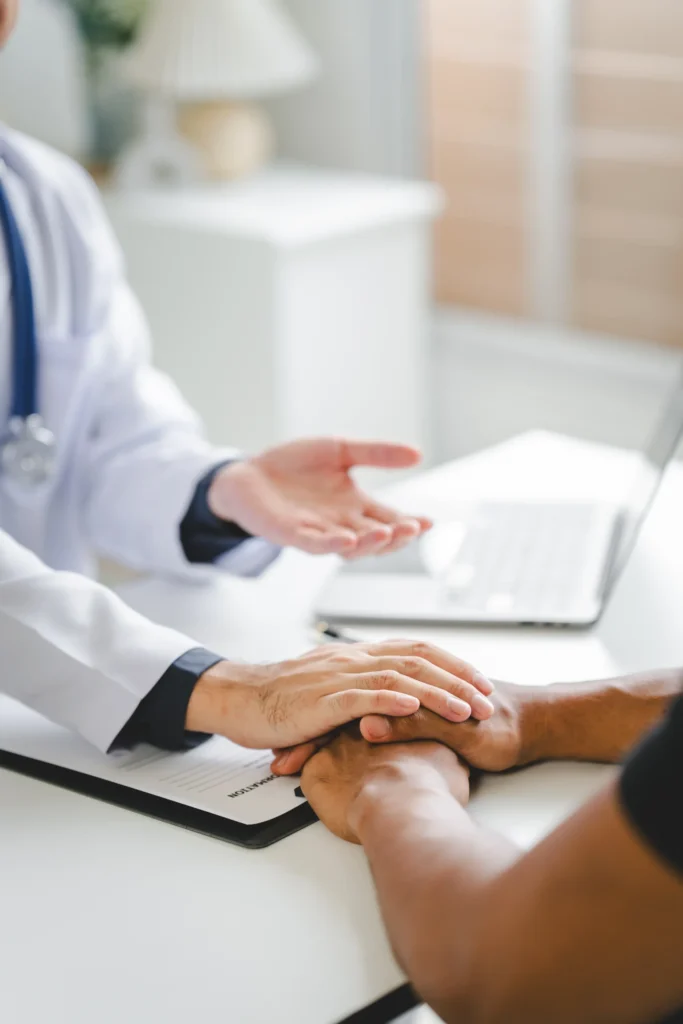
The First Step Toward Healing
What to Expect from Your Consultation
We understand that taking the first step to book a medical consultation can feel intimidating, but there is absolutely no need to worry. Your first appointment with Miss Nayar is a chance to ask questions and agree a plan, with no pressure to decide on the day.
During this assessment, Miss Nayar will carefully examine the area of concern and review your medical history. So that she can plan your treatment around your own circumstances, she will also ask you to describe your experience.
To help you feel fully prepared and relaxed, be ready to answer a few straightforward questions, such as:
- When did you first notice your skin changes?
- Have you noticed a skin lesion that has grown or changed?
- Do you have a skin lesion that bleeds or itches?
- How bad are your symptoms?
- Have you had any prior treatment or plans made for this growth (it may be helpful to bring any clinic or referral letters you have along)
Restoring Your Health & Confidence
Aftercare and Recovery
Healing from skin cancer surgery, particularly Mohs surgery, requires a careful and committed approach to aftercare. Miss Rakhee Nayar and our clinical team will give you detailed, personalised instructions covering how to look after the wound while it heals.
- Daily Wound Care
- Timeline for Stitch Removal
- Scar Management
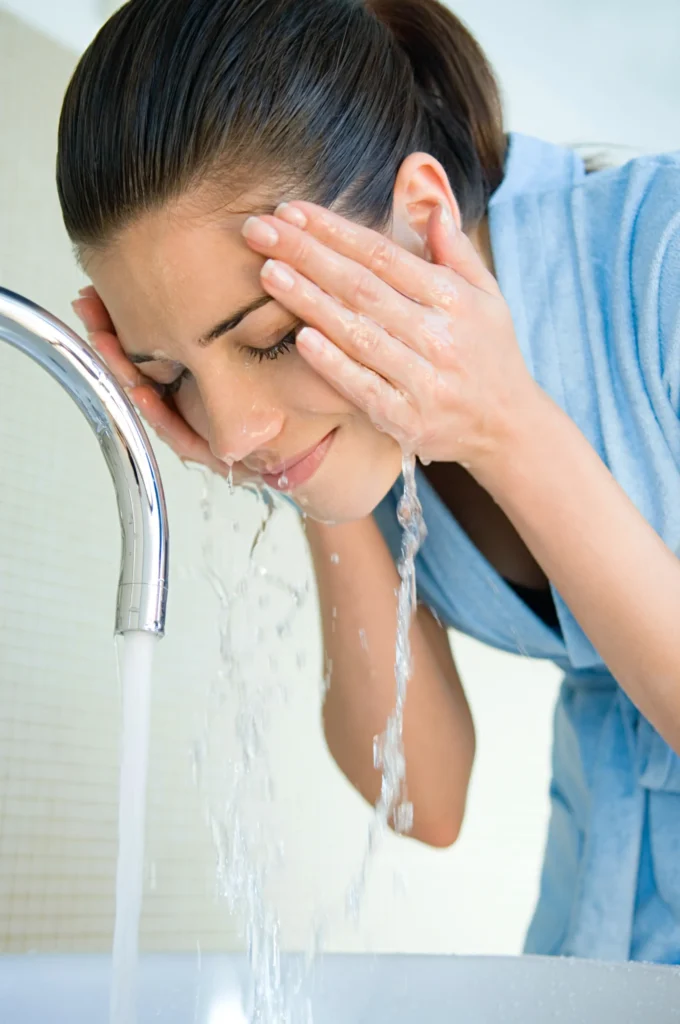
What Not to Do After Skin Cancer Surgery
These restrictions protect the wound while it heals. Please follow them during the initial healing phase:
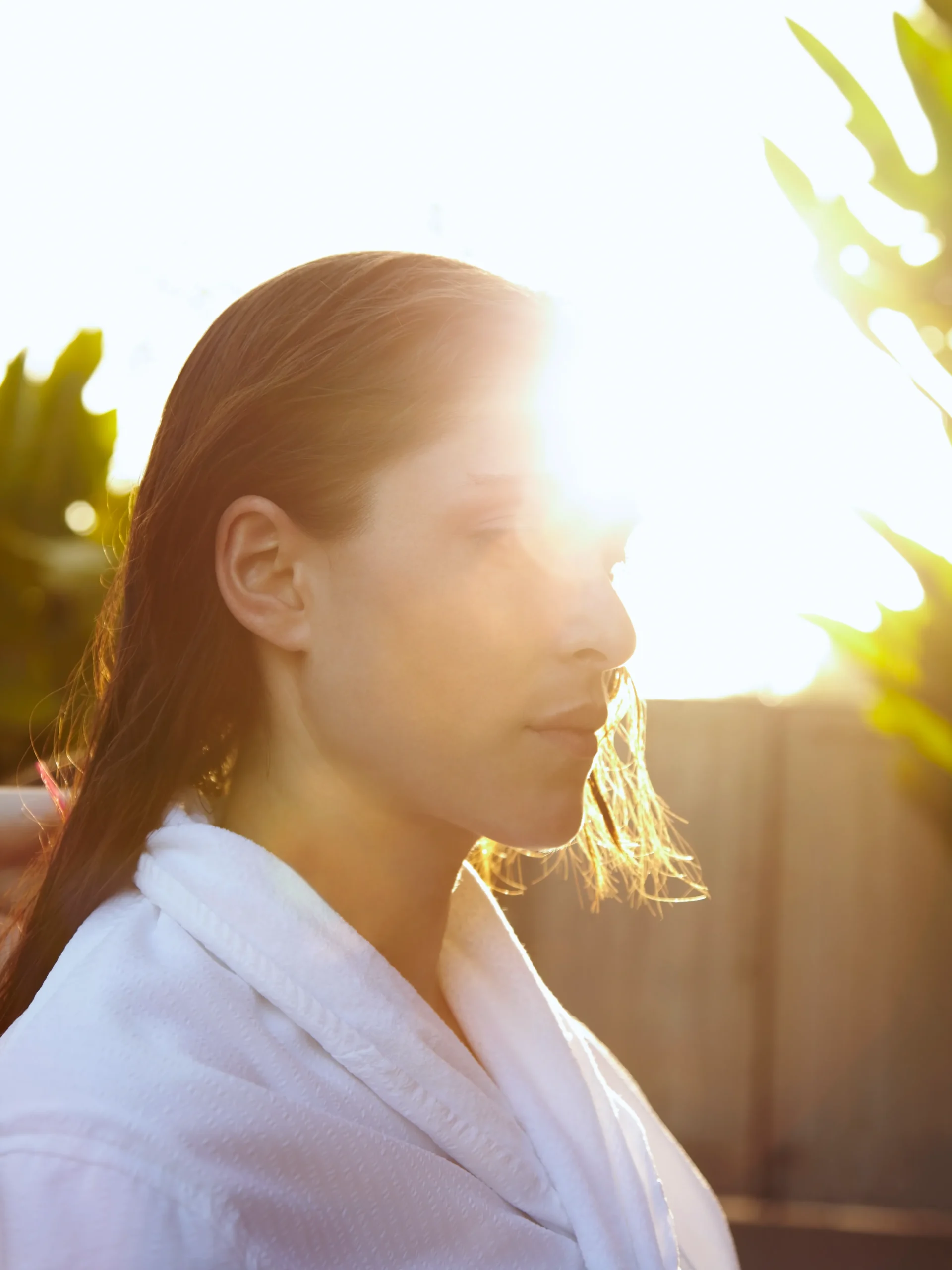
Avoid Strenuous Activity
Refrain from heavy lifting, intense exercise, or any movement that stretches the surgical site, as these can cause the wound to bleed, swell, or pull apart.
Do Not Submerge the Wound
While light showering is typically fine after 48 hours, you must avoid baths, swimming pools, and hot tubs until your stitches are removed and the wound is fully closed.
Avoid Direct Sunlight
Keep the area strictly covered or shaded; UV exposure on fresh surgical scars can cause permanent darkening (hyperpigmentation) and damage the healing tissue.
In Patients' Words
Patients Feedback


What Our Patients Say
Concerned About Skin Cancer?
Book a Specialist Assessment
Skin cancer is easier to treat when it is found early. Contact Miss Rakhee Nayar’s clinic for an assessment by a surgeon dual-trained in Mohs surgery and plastic surgery.
or Call Us Now
07740 306144
Circle cheshire Clinic
The Courtyard, Hall Ln, Wincham, Northwich CW9 6DG, United Kingdom
07740 306144
contact@mohssurgeon.co.uk
Schedule Your Visit
Where to See Miss Nayar
Miss Rakhee Nayar provides specialist Mohs and reconstructive surgery at Circle Health Cheshire Clinic. This modern, private facility offers expert care in a discreet environment for patients across Cheshire and the North West.

07740 306144
Frequently Asked Questions
We're Always Here to Help You
How long does Mohs surgery take?
The procedure is performed in “stages.” While the surgical removal is quick, lab analysis takes time; please plan to be at the clinic for several hours.
Is skin cancer treatment painful?
Most procedures are performed under local anaesthesia. You should feel no pain during the surgery, and post-operative discomfort is typically mild.
Will I have a scar?
Any incision results in a scar, but Miss Nayar’s reconstructive expertise focuses on placing incisions within natural skin creases if possible to make them as discreet as possible.
How does Mohs surgery check the cancer has been removed?
Each layer is examined under the microscope during the procedure, so the margin is confirmed clear before the wound is closed. Miss Nayar will talk you through what this means for your own skin cancer at consultation.
How quickly can I return to work?
Most patients return to light office work the next day, though strenuous jobs may require 1–2 weeks of recovery. If a wound has a complex reconstruction, longer periods may be recommended if there are extended periods of wearing dressings needed etc.
Can skin cancer come back?
Mohs removes the cancer that has been diagnosed, but new skin cancers can still develop elsewhere. Regular skin checks and sun protection remain essential.