From non-healing sores to pearly bumps, recognizing the early signs of nasal skin cancer saves healthy tissue. Benefit from a dual specialist approach that prioritizes accurate skin cancer detection and world-class reconstructive surgery.
Patients Satisfaction Rate
Outstanding care and exceptional surgical results

The challenge of thin nasal layers
Why the Nose is a High-Risk Area
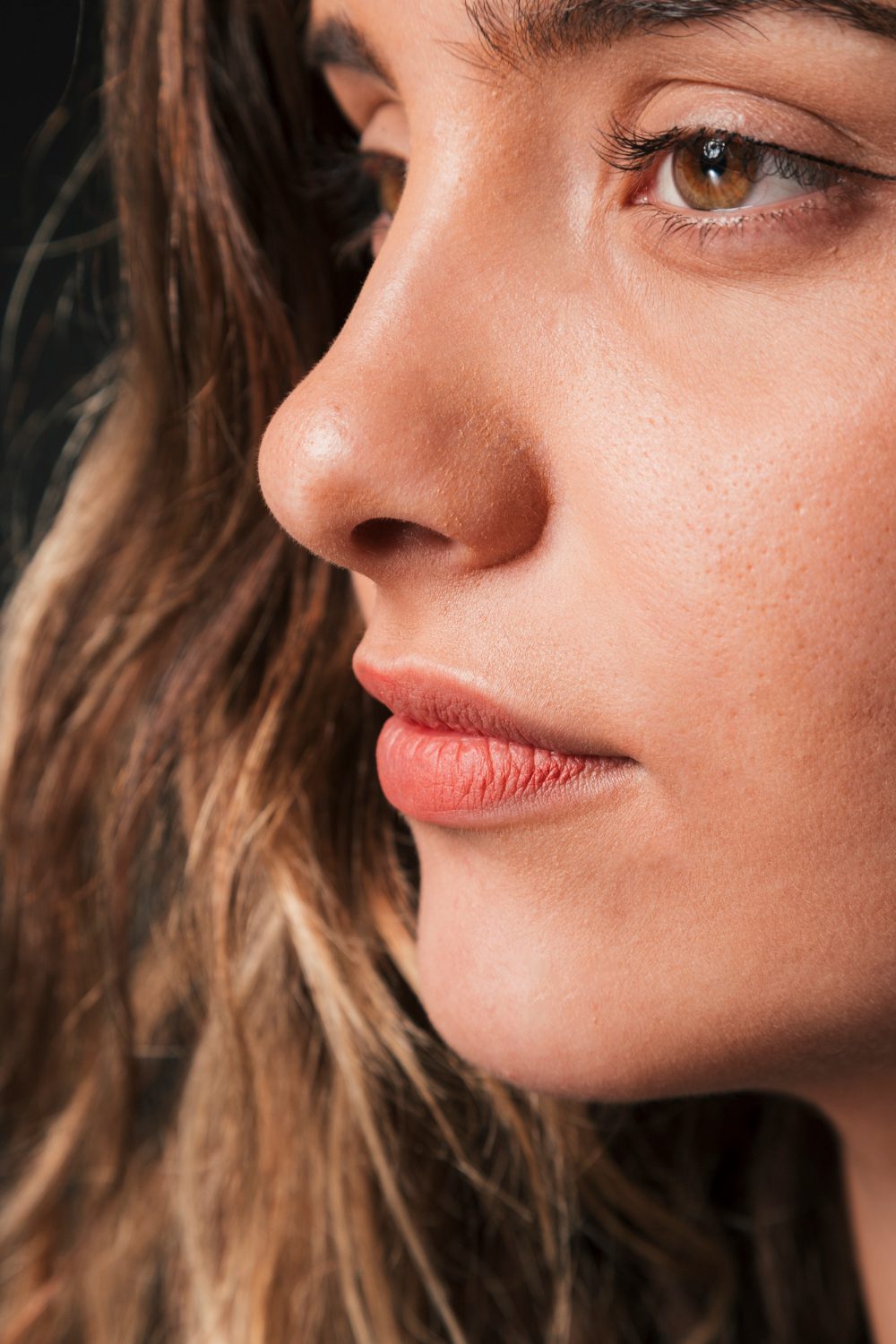
The nose is one of the most common sites for skin cancer due to its constant exposure to ultraviolet (UV) radiation. Because the skin on the nose is thin and tightly bound to underlying cartilage, early detection is critical to prevent significant structural damage.
While many parts of the body are protected by clothing, the nose is perpetually exposed to the sun’s rays. This cumulative UV damage over time makes the nasal bridge, tip, and nostrils prime locations for skin cancer.
From a surgical perspective, the nose is a complex “high-risk” area because there is very little “spare” skin. Unlike the cheek or neck, where the skin is loose, nasal skin is taut against the framework of the nose.
If a lesion is left to grow, it can quickly invade the underlying cartilage, muscle or rarely even bone, making reconstruction more difficult and potentially impacting your ability to breathe comfortably.
Spotting subtle changes early
What Are the Most Common Symptoms of Skin Cancer on the Nose?
Symptoms of skin cancer on the nose typically include a non-healing sore, a pearly or waxy bump, or a scaly red patch that persists for more than four weeks.
Because the nose is frequently exposed to the sun, it is important to distinguish between a temporary blemish and a potential malignancy.
While a common spot or pimple should resolve within a week or two, skin cancer is persistent and often undergoes subtle changes in texture or colour.
Visual Indicators: What to Look For
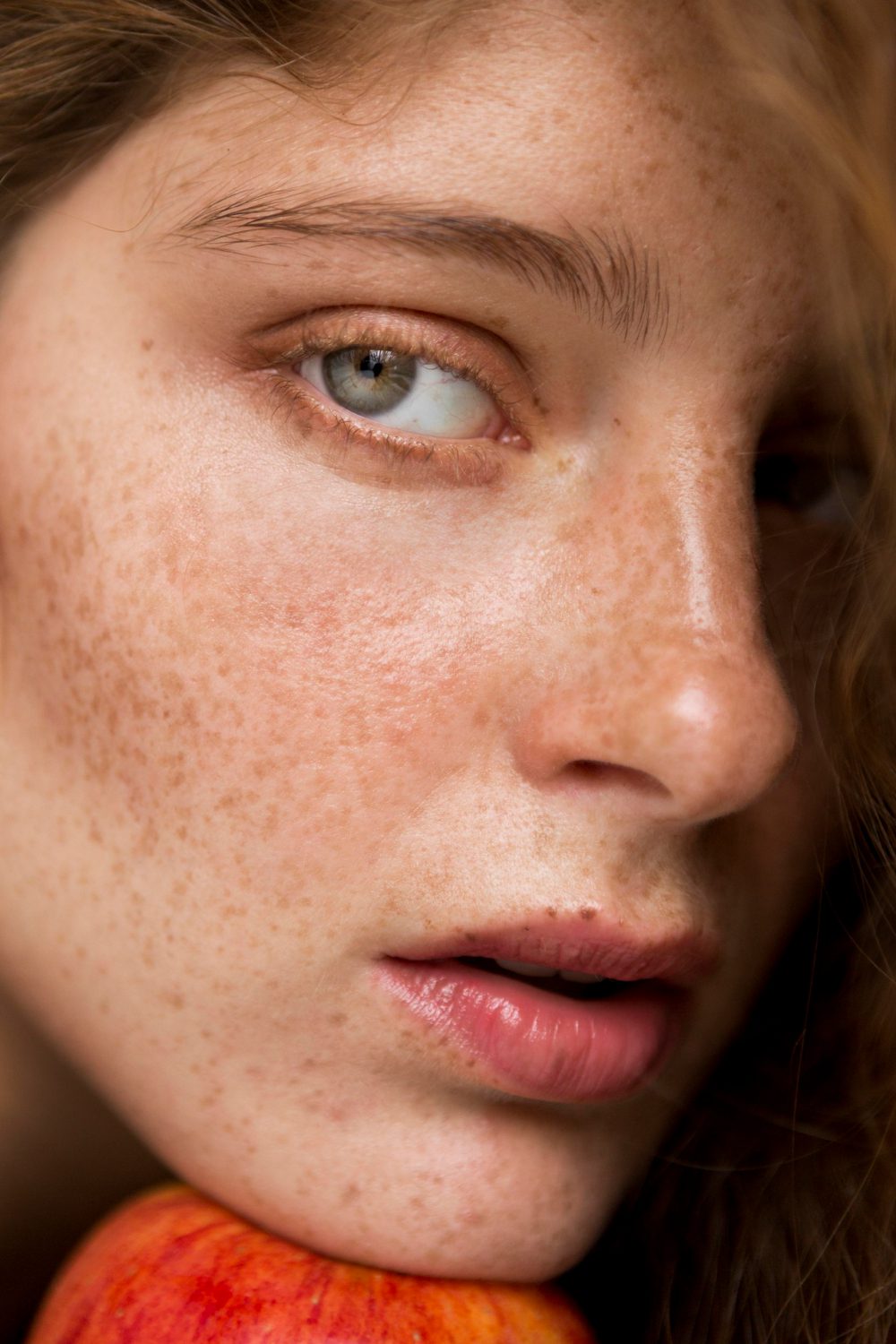
When examining your skin, look for these specific physical characteristics that often indicate nasal skin cancer:
A small, shiny bump that can look like a "flesh-colored" pimple that never comes to a head.
Some lesions appear as a central crust or depression surrounded by a raised, thickened border.
You may see very fine, spider-like red lines on the surface of the growth.
A common early sign is a small spot that bleeds easily with minimal trauma (like drying your face with a towel) and repeatedly scabs over but never fully heals.
Persistent rough or crusty areas that may feel tender to the touch.
What's on your nose?
Which Types of Skin Cancer Can Appear on the Nose?
The three most common types of skin cancer found on the nose are Basal Cell Carcinoma (BCC), Squamous Cell Carcinoma (SCC), and Melanoma. Each presents differently and requires a tailored surgical approach to ensure complete removal while preserving the nose’s delicate structure.

Early Signs of BCC on the Nose
Basal Cell Carcinoma (BCC) on the nose typically appears as a pearly, translucent bump or a persistent “pimple” that bleeds and scabs but never fully heals.
Because there is very little “spare” skin on the nose, identifying these subtle changes early is vital for a successful, tissue-sparing result with Miss Rakhee Nayar.

Pearly or shiny bump
Often translucent or skin-coloured.
Non-healing sore
A spot that bleeds, scabs, and recurs.
Visible blood vessels
Tiny red lines (telangiectasia) on the surface.
Scar-like patch
A flat, firm area with an ill-defined border.
Rolled edges
A central crust with a raised, thickened rim.
Rough, scaly patch
A persistent red area that feels crusty or “sandpapery.”
Firm red nodule
A raised, solid lump that may be tender to the touch.
Rapid growth
A lesion that noticeably changes size over a few weeks.
Central ulcer
An open sore or “crater” that does not heal.
Recurrent bleeding
A spot that scabs over and bleeds again with minimal trauma.
Early Signs of SCC on the Nose
Squamous Cell Carcinoma (SCC) on the nose often appears as a firm, scaly growth that may feel tender or bleed easily. Because the nose is considered a high‑risk area for some skin cancers spreading to local lymph nodes, any crusted lesion that persists for more than four weeks should be assessed immediately.

Early Signs of Melanoma on the Nose
Melanoma on the nose is less common but highly serious, typically appearing as a new or changing dark spot with irregular features. Early detection is critical, as the nose provides very little depth before the cancer can reach deeper tissues.

Asymmetrical shape
One half of the spot does not match the other.
Irregular borders
Edges that are notched, blurred, or ragged.
Varied colours
Shades of black, brown, tan, or even blue and red within one spot.
Changing size
Any growth larger than 6mm or a spot that is noticeably evolving.
New “freckle”
A dark mark that appears suddenly on a previously clear area of the nose.
Real-world signs of nasal changes
Skin Cancer on the Nose Images
Medical images show the contrast between healthy skin and malignancies like pearly bumps or scaly patches. While photos help identify changes, skin cancer often mimics harmless blemishes. A professional dermoscopy assessment is the only way to accurately diagnose these lesions before they damage the nasal structure.
Request an e-Consultation
Skip the travel. Get expert medical advice and treatment plans from the comfort of your home.

We’re here to help
How is Skin Cancer on the Nose Diagnosed?
The definitive diagnosis of nasal skin cancer requires a two-step professional assessment: a clinical examination using dermoscopy followed by a skin biopsy. While self-monitoring is vital for early detection, these clinical steps are necessary to confirm the exact type of cancer and determine the most effective treatment plan.
The Diagnostic Process
- Dermoscopy: This is a non-invasive examination where Miss Rakhee Nayar uses a handheld device called a dermatoscope. It provides high magnification and polarized light to see structures within the skin that are invisible to the naked eye. This helps distinguish between harmless spots and malignant growths.
- Skin Biopsy: If a lesion appears suspicious under dermoscopy, a biopsy is performed. A small sample of the skin is removed under local anesthetic and sent to a laboratory for microscopic analysis. A skin biopsy is the only definitive way to confirm a diagnosis, as it identifies the specific cellular makeup of the tumor.
Self-Check Tip: Don't Miss the "Shadowed" Areas
When performing a self-exam at home, use a bright light and a handheld mirror to inspect the parts of the nose that are often overlooked. Pay close attention to the “shadowed” areas, including:
The folds where the nostrils meet the cheeks (the alar creases).
The very tip and underside of the nostrils.
The bridge of the nose, especially where glasses or sunglasses may rest and cause irritation that masks a lesion.
If you notice a spot in these areas that looks different from the surrounding skin or refuses to heal, it should be evaluated by a specialist immediately.
Begin Your Healing
What is the Best Treatment for Skin Cancer on the Nose?
Mohs Surgery is the preferred treatment for nasal skin cancer because it offers the highest cure rate, up to around 99% for some primary cancers, while sparing the maximum amount of healthy tissue.
As the National Chairwoman for Mohs Training, Miss Rakhee Nayar specialises in this precise technique, which involves removing cancer layer-by-layer and examining it under a microscope in real-time.
This is essential for the nose, where preserving even a few millimeters of skin is critical for maintaining your natural appearance and ensuring your ability to breathe comfortably.
- Up to 100% cure rate
- Checks 100% of margins
- Saves maximum healthy skin
- All done in one day
- Best possible cosmetic result
- Local anesthetic only
Cure Rate


Understand Your Risk Factors
While anyone can develop skin cancer on the nose, your risk is significantly higher if you have a history of chronic sun exposure or frequent episodes of sunburn.
In the UK, the incidence of skin cancer is rising, particularly among those with fair skin (Type I or II) who burn easily or have a large number of moles. Other key risk factors include:
- Previous Skin Cancers: If you have had a basal cell or squamous cell carcinoma before, you are at a higher risk of developing another on the nose.
- Fair Features: Having red or blonde hair, light-coloured eyes, or a tendency to freckle indicates your skin has less natural melanin protection.
- Age: Cumulative UV damage builds up over decades, making skin cancer more common as we get older. Sunburn in childhood can also increase your risk.
The Bridge of the Nose
Often skipped or rubbed off by the bridge of spectacles or sunglasses.
The Nasal Tip
As the most forward-facing part of the face, it is highly susceptible to burning.
The “H-Zone”
Ensure you cover the creases where the nostrils meet the cheeks, as cancer frequently hides in these folds.
The "Daily SPF" Rule and Prevention
The most effective way to prevent nasal skin cancer is to apply a broad-spectrum sunscreen with at least SPF 30 every single day, regardless of the weather. Because the nose is a prominent feature, it receives the highest “dose” of UV radiation on the face.
When applying sunscreen, pay extra attention to these commonly missed spots:


Follow-Up Care After Nasal Skin Cancer Treatment
Proper post-operative care is essential to ensure the surgical site heals correctly and to achieve the best aesthetic result. Following these steps helps protect the delicate nasal structure and ensures that Miss Rakhee Nayar’s reconstructive work heals as seamlessly as possible.
- Keep the wound moist: Apply ointment like Vaseline daily to prevent scabs and improve scarring.
- Avoid nose blowing: Do not blow your nose for 48–72 hours to prevent internal pressure and bleeding.
- Limit physical strain: Avoid heavy lifting or strenuous exercise for the first few days post-surgery.
- Sleep with elevation: Use extra pillows to keep your head raised, which helps reduce facial swelling.
- Attend regular screenings: Schedule skin checks every 6–12 months, as you are now at a higher risk for new lesions.
Real Stories. Real Success
Patients Feedback



99.9% Patient Success Stories
Concerned About Skin Cancer?
Book a Specialist Assessment
Early detection is vital for the successful treatment of skin cancer and can contribute to achieving the best aesthetic outcomes. Contact Miss Rakhee Nayar’s clinic today for a comprehensive evaluation by a dual-trained Mohs doctor and plastic surgeon.
or Call Us Now
07740 306144
Circle cheshire Clinic
The Courtyard, Hall Ln, Wincham, Northwich CW9 6DG, United Kingdom
07740 306144
Schedule Your Visit
Where to See Miss Nayar
Miss Rakhee Nayar provides specialist Mohs and reconstructive surgery at Circle Health Cheshire Clinic. This modern, private facility offers expert care in a discreet environment for patients across Cheshire and the North West.









Frequently Asked Questions
We're Always Here to Help You
What does early skin cancer on the nose look like?
It often resembles a small, harmless pimple, a pearly bump, or a red, scaly patch that does not resolve after four weeks.
Is Mohs surgery on the nose painful?
The procedure is performed under local anaesthetic; the area is completely numb, so you remain awake and comfortable throughout.
Will I have a visible scar on my nose?
While all surgery leaves a mark, Miss Nayar’s expertise in plastic surgery helps ensure that the reconstruction is as seamless as possible.
How long does Mohs surgery take for a nasal lesion?
The process is completed in one day, though the duration depends on how many stages are needed to ensure all cancer cells are removed.
Can skin cancer on the nose spread?
Yes, particularly Squamous Cell Carcinoma and Melanoma. Early detection and Mohs surgery are vital to prevent spreading to lymph nodes.
Why is the nose a high-risk area for skin cancer?
The nose has thin skin and little “spare” tissue, meaning cancer can quickly reach underlying cartilage if not treated early.
Do I need a biopsy before Mohs surgery?
Yes, a skin biopsy is the only definitive way to confirm the type of cancer and plan the most effective surgical approach.
How soon can I wear glasses after nose surgery?
You may need to avoid resting glasses on the bridge for 1–2 weeks; Miss Nayar will provide specific advice based on your wound location.