What is it, and how does it work? Join Miss Rakhee Nayar as she breaks down the science of facial surgery and the journey to functional and aesthetic restoration.
Excellent Success Rate
Proven results restoring form and function.


Renewing Patient Confidence
Understanding Facial Reconstruction
Facial reconstruction is a highly specialized surgical field focused on rebuilding the face’s intricate structure.
It combines advanced medical techniques with aesthetic artistry to restore vital functions, such as breathing, eating, and speaking, while returning a natural, balanced appearance to patients affected by trauma, illness, or birth conditions.
- Restores Vital Functions
- Aesthetic Harmony
- Reclaims Natural Identity
- Boosts Patient Confidence
Restoring Facial Function
Why You Might Need a Facial Reconstruction?
Facial reconstruction surgery is necessary when trauma, disease, or congenital conditions cause a significant loss of facial structure or function. This specialist intervention is often required to repair complex fractures and lacerations, or, in Miss Nayar’s practice, commonly to restore the face following tumour excision and Mohs surgery.
Success Rate

Advanced Microsurgical Techniques
What Does Facial Reconstruction Involve?
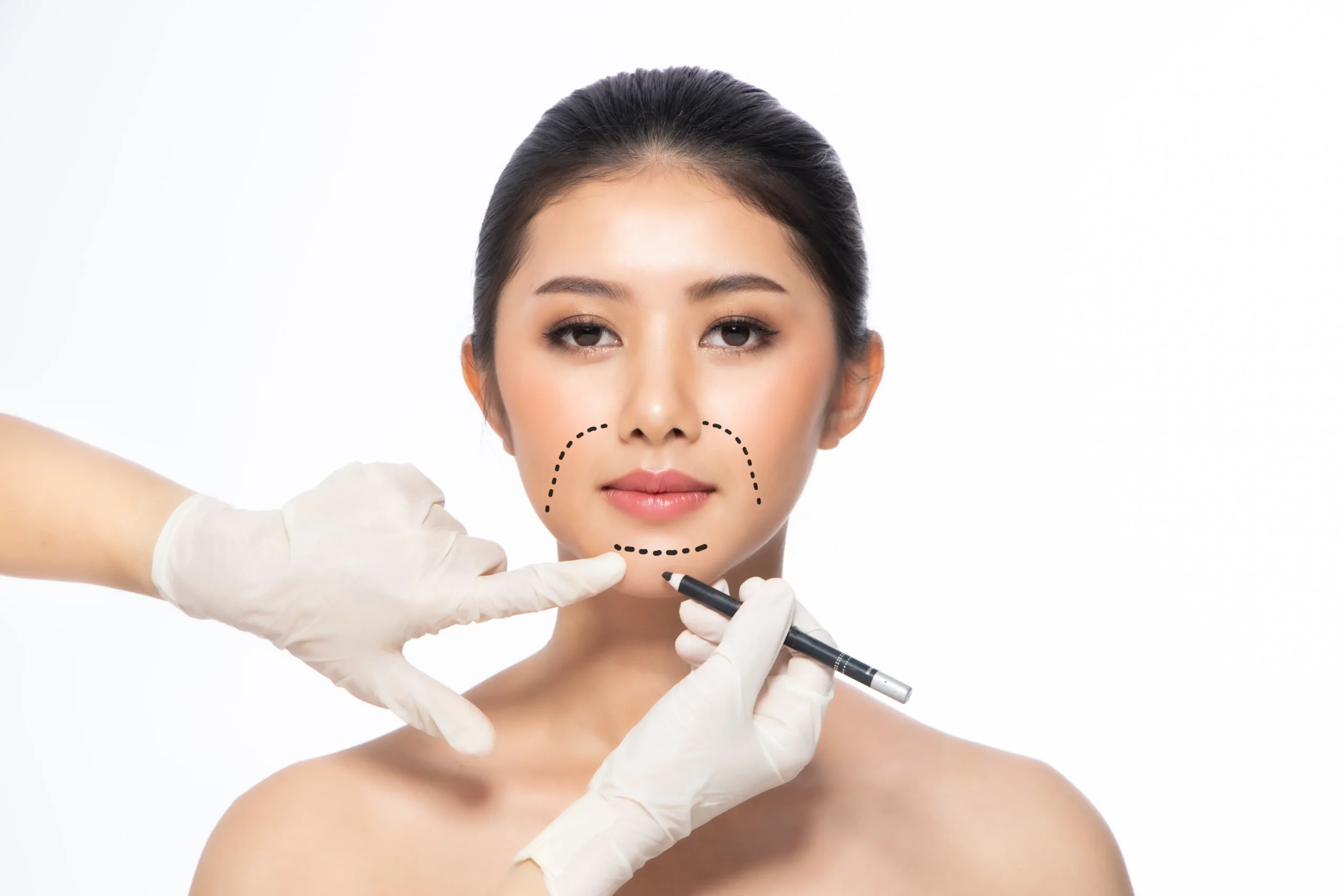
Facial reconstruction uses advanced techniques to restore the face’s natural appearance and function. Due to the face’s complex anatomy, these procedures can sometimes be performed in multiple stages to achieve optimal symmetry and movement.
Restoring Vital Functions
Why is Facial Reconstructive Surgery Performed?
Facial reconstruction surgery is essential for restoring both the physical structure and vital functions of the face following significant trauma or medical intervention.
Under the care of a specialist facial reconstruction doctor like Miss Rakhee Nayar, these procedures focus on returning symmetry, facilitating correct movement, and improving a patient’s quality of life after the loss of tissue, bone, or nerve function. This can sometimes be delivered by a team of specialists with different areas of expertise.
Trauma & Injury
Rebuilding the facial framework following severe fractures, deep lacerations, or complex burns.
Cancer & Disease
Restoring the face after tumour excision or specialised Mohs surgery, particularly for Basal Cell Carcinoma (BCC).
Request an e-Consultation
Miss Nayar offers a convenient e-Consultation service for patients seeking a specialist opinion from across the UK and overseas. This secure digital pathway enables remote assessment of skin lesions and concerns, providing a prompt clinical recommendation.
It is an ideal first step for those considering Mohs surgery or reconstruction before travelling for an in-person appointment.
Specialist Reconstructive Surgeon
Meet Miss Rakhee Nayar
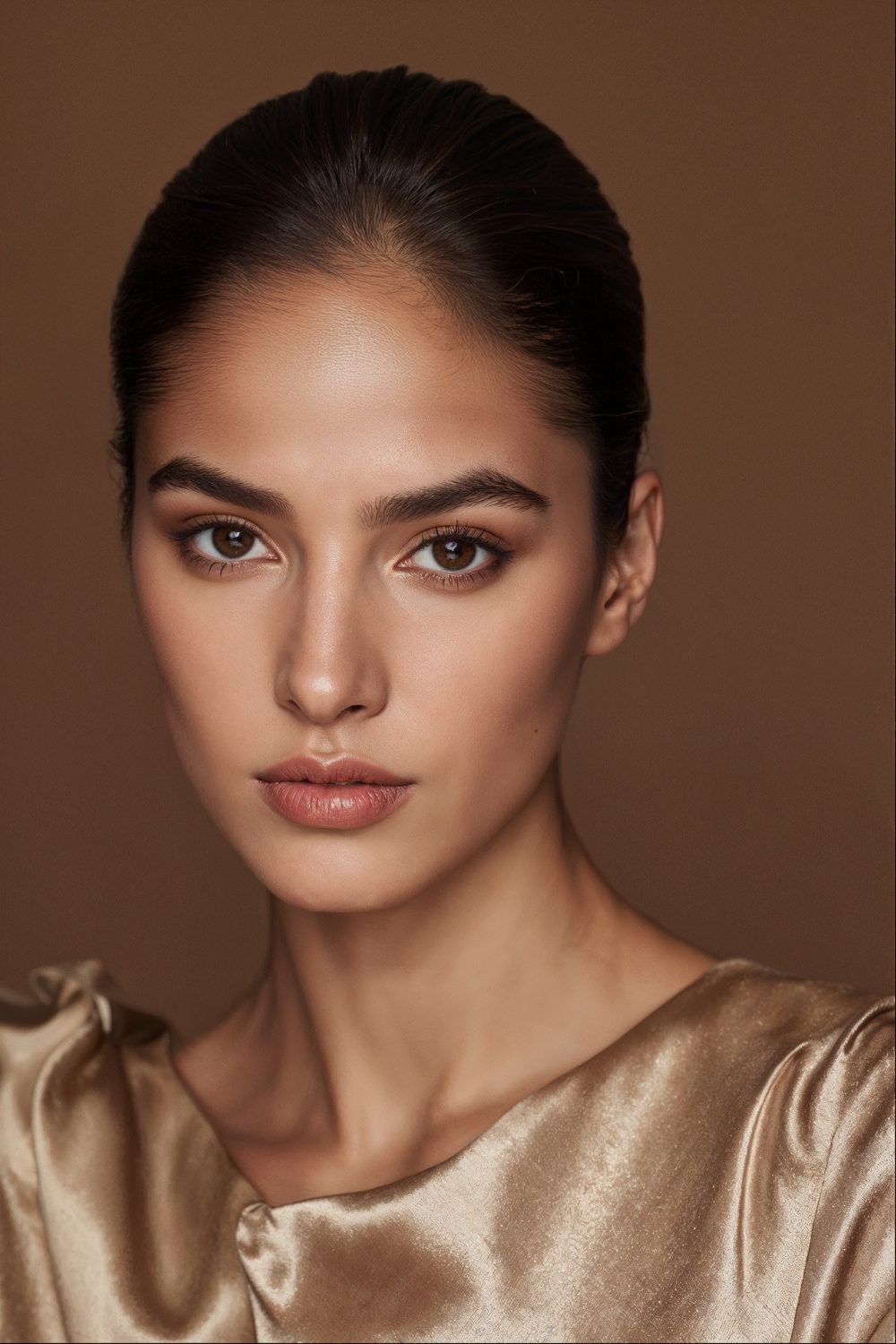
Choosing the right facial reconstruction doctor is a vital decision for both your long-term health and your personal confidence. Miss Rakhee Nayar is a highly skilled Consultant Plastic Surgeon with over 22 years of surgical experience, offering a unique blend of technical precision and empathetic care.
With women representing just 17% of UK surgical consultants, Miss Nayar is one of fewer than ten women nationwide with this specialist training. This rare distinction allows her to provide a compassionate, expert approach to facial reconstruction surgery, addressing the unique aesthetic and recovery concerns of her patients.
Specialist Expertise
She is one of the few consultants in the UK with formal specialist training in both plastic surgery and Mohs reconstructive surgery.
National Leadership
As the Chairwoman for Mohs training in the UK, she holds a prestigious role in shaping national standards for plastic surgery, ensuring she remains at the forefront of the latest facial reconstruction techniques.
Bespoke Care
Every treatment plan is uniquely tailored to the individual to ensure a result that is both functional and naturally aesthetic.
Proven Results
Her dedication to excellence and extensive experience in complex facial cases ensures the highest level of care for every patient she treats.
comprehensive suite of procedures
Facial Reconstruction Techniques to Restore Natural Contours
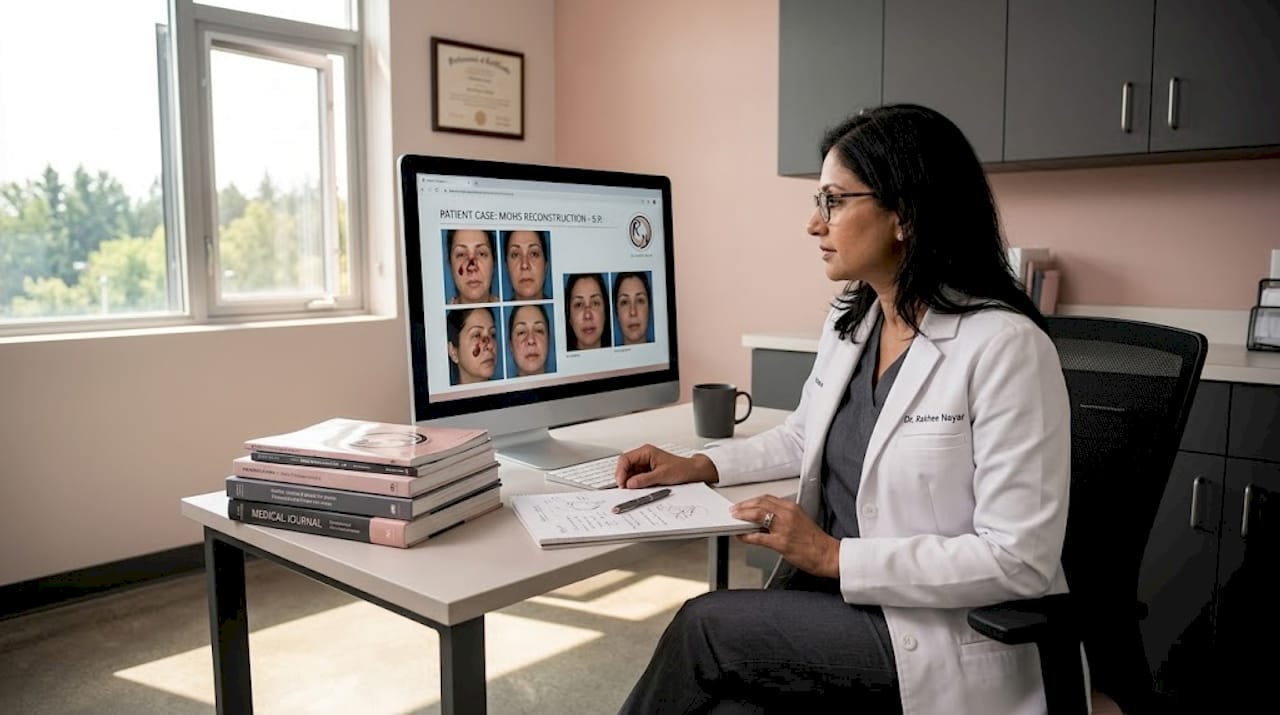
Depending on the size, location, and depth of the defect, various facial reconstruction techniques are utilised to restore the face’s natural contours.
These range from simple primary closures to more complex tissue transfers, ensuring that every patient receives the most functional and aesthetically balanced result based on their defect.
Direct Closure Techniques
This straightforward method involves bringing the edges of a wound together and securing them with sutures. It is ideal for smaller defects where skin laxity allows for a linear scar that follows the face's natural tension lines.
Local Flaps
A local flap shifts healthy tissue from an adjacent area while keeping its original blood supply intact. This technique is superior for matching skin colour and texture.
Skin Grafts
A skin graft involves transplanting a thin layer of healthy skin from a donor site, such as behind or in front of the ear or the neck, to the wound. Unlike a flap, it relies on the blood supply of the recipient site to survive.
Conditions We Treat
Skin cancer removal defects
Benign skin lesions
Scar revision

Uncompromising Clinical Safety
Facial Reconstruction Recovery
Facial reconstruction recovery time varies significantly depending on the complexity of the procedure and the specific techniques used. While some patients may be treated as outpatients, more intricate microsurgery requires a dedicated period of clinical monitoring to ensure the best functional and aesthetic results.
“Confidence rebuilt through careful healing.”
Initial Healing
For minor reconstructive procedures, sutures are typically removed after one week either in the clinic or locally in a walk in centre for example.
Complex Cases
Major reconstructions involving grafts often require a dressing to stay intact for at least a week which is then removed under the care of the hospital.
Swelling & Settling
While initial bruising subsides within a few weeks, the final results and full restoration of facial movement may continue to settle over several months (up to 18 months).
Bespoke Aftercare
Every patient receives a tailored recovery plan. Our team remains by your side, offering expert support at every stage of your restoration.
Real Stories. Real Success
Patients Feedback

99.9% Patient Success Stories
Concerned About Skin Cancer?
Book a Specialist Assessment
Early detection is vital for the successful treatment of skin cancer and can contribute to achieving the best aesthetic outcomes. Contact Miss Rakhee Nayar’s clinic today for a comprehensive evaluation by a dual-trained Mohs doctor and plastic surgeon.
or Call Us Now
07740 306144
Circle cheshire Clinic
The Courtyard, Hall Ln, Wincham, Northwich CW9 6DG, United Kingdom
07740 306144
contact@mohssurgeon.co.uk
Schedule Your Visit
Where to See Miss Nayar
Miss Rakhee Nayar provides specialist Mohs and reconstructive surgery at Circle Health Cheshire Clinic. This modern, private facility offers expert care in a discreet environment for patients across Cheshire and the North West.

07740 306144
Frequently Asked Questions
We're Always Here to Help You
What is the cost of facial reconstruction?
Pricing depends on the complexity of the case and the number of surgical stages required. A transparent, detailed cost plan is provided following a private consultation and clinical assessment.
Is facial reconstruction surgery painful?
The procedure is performed under local anesthetic where possible but sometimes general anaesthesia is necessary. Generally whatever the anaesthetic, you will feel no pain during the operation.You may be aware of pressure if awake but should feel no discomfort. Post-operative discomfort, such as tightness or bruising, is effectively managed with prescribed pain relief and typically subsides within the first week.
Will I have visible scars after the procedure?
While scarring is inevitable, incisions are meticulously placed within natural facial folds or the hairline to minimise visibility wherever possible. These scars generally fade and flatten over time, and further refinement treatments are available if needed.