Welcome to a space dedicated to your well-being and aesthetic goals. Discover professional advice, patient success stories, and honest discussions about Mohs and plastic surgery. Whether you are considering a procedure or are well into your recovery, find the guidance you need to feel empowered and informed.
This guide provides an in-depth look at Mohs surgery, a highly effective treatment for skin cancer. It is designed to educate patients about the procedure, its benefits, and the expected outcomes, ensuring they are well-informed before making health decisions.
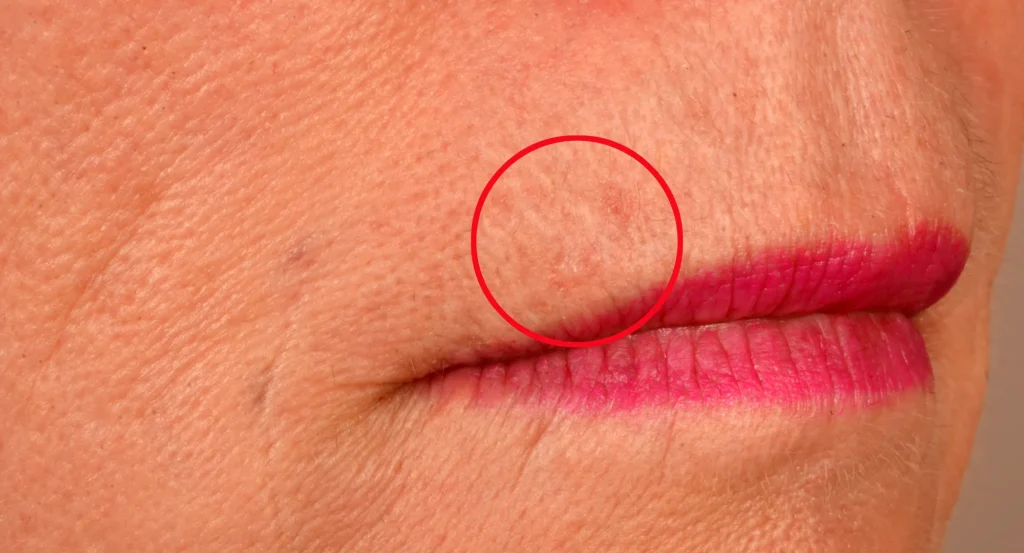
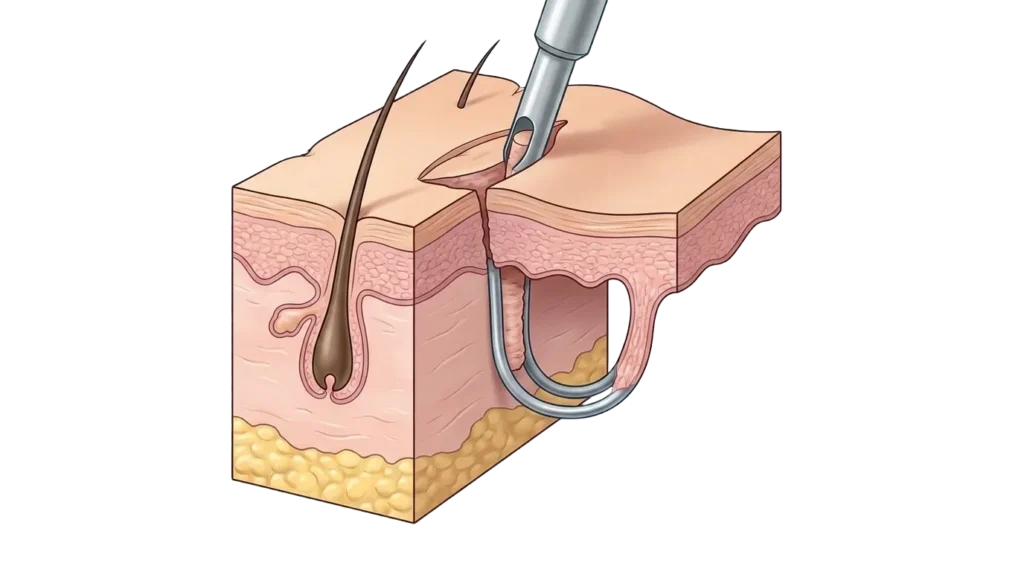
Mohs surgery is unique because it involves the removal of skin cancer in layers, allowing for precise excision while preserving healthy tissue. This method significantly reduces the risk of cancer recurrence and is particularly beneficial for cancers located on the face and other sensitive areas.
Patient success stories highlight the transformative effects of Mohs surgery on individuals facing skin cancer. These narratives not only provide hope but also demonstrate the effectiveness of the procedure in achieving clear margins and optimal cosmetic results.
Many patients report not only successful cancer removal but also improved skin appearance post-surgery. These stories serve as powerful testimonials, encouraging others to seek treatment and showcasing the expertise of professionals like Miss Rakhee Nayar.
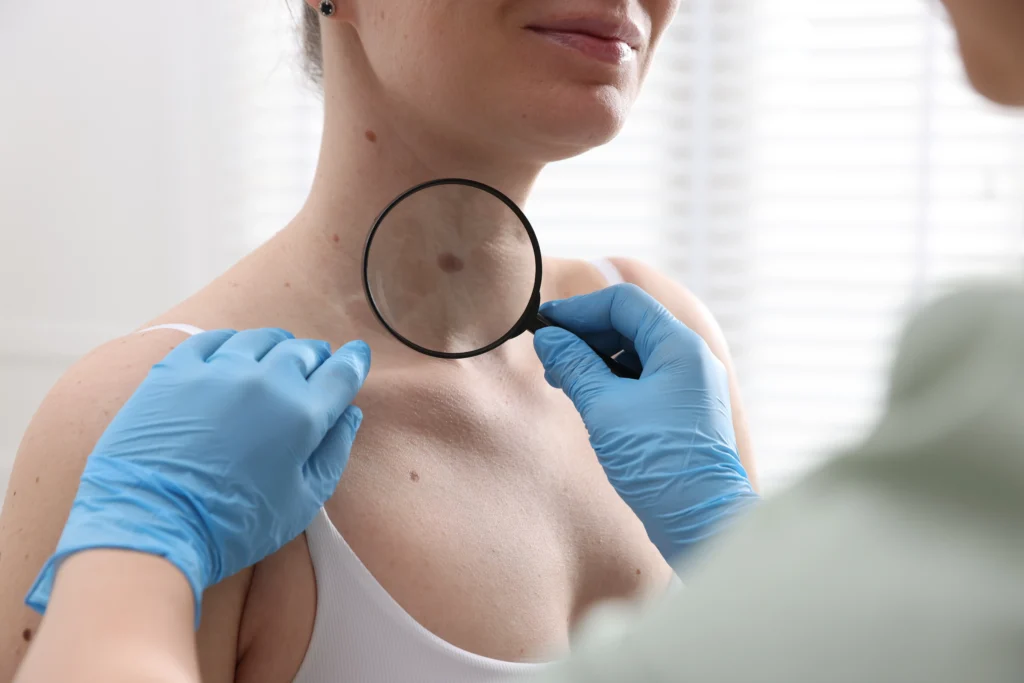
Preparation for a Mohs surgery appointment is crucial for ensuring a smooth experience. Patients should understand what to expect during their visit, from pre-operative instructions to post-operative care, which can significantly impact recovery.
Key preparation steps include discussing any medications with the surgeon, understanding the procedure's timeline, and making arrangements for transportation home after the surgery. Being well-prepared helps alleviate anxiety and fosters a more positive surgical experience.
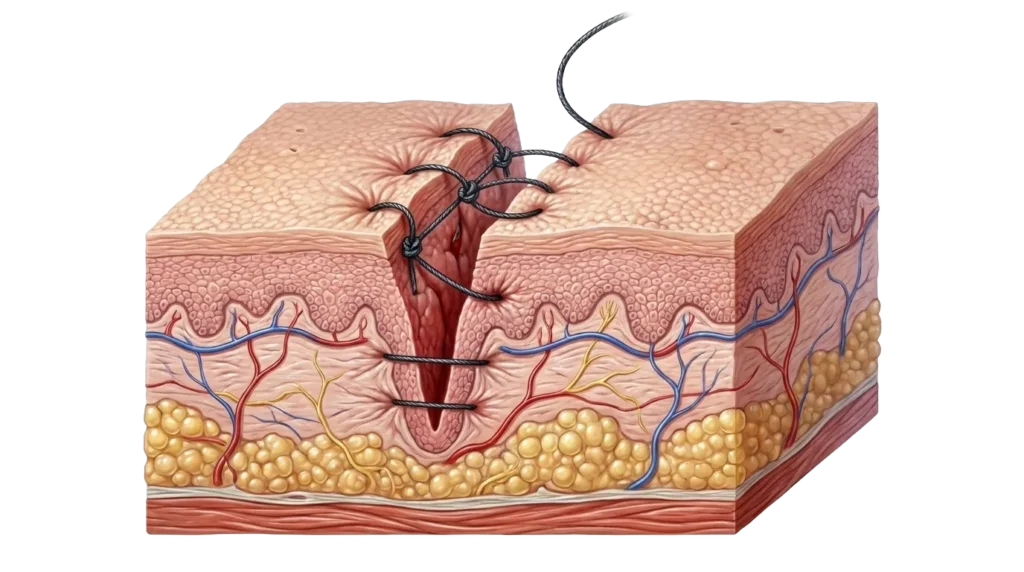
Post-operative care is essential for promoting healing and preventing complications after Mohs surgery. Patients should follow specific guidelines provided by their surgeon to ensure optimal recovery and minimize scarring.
Typical post-operative care includes keeping the surgical site clean, monitoring for signs of infection, and following up with the surgeon for stitch removal or further assessments. Understanding these steps can help patients navigate their recovery confidently.