Not every skin lesion is serious, but every one deserves a specialist’s eye. Miss Rakhee Nayar provides prompt, expert assessment and surgical removal of skin lesions across the North West, with no GP referral required and e-Consultations available nationwide.
Patients Satisfaction Rate
Outstanding care and exceptional surgical results
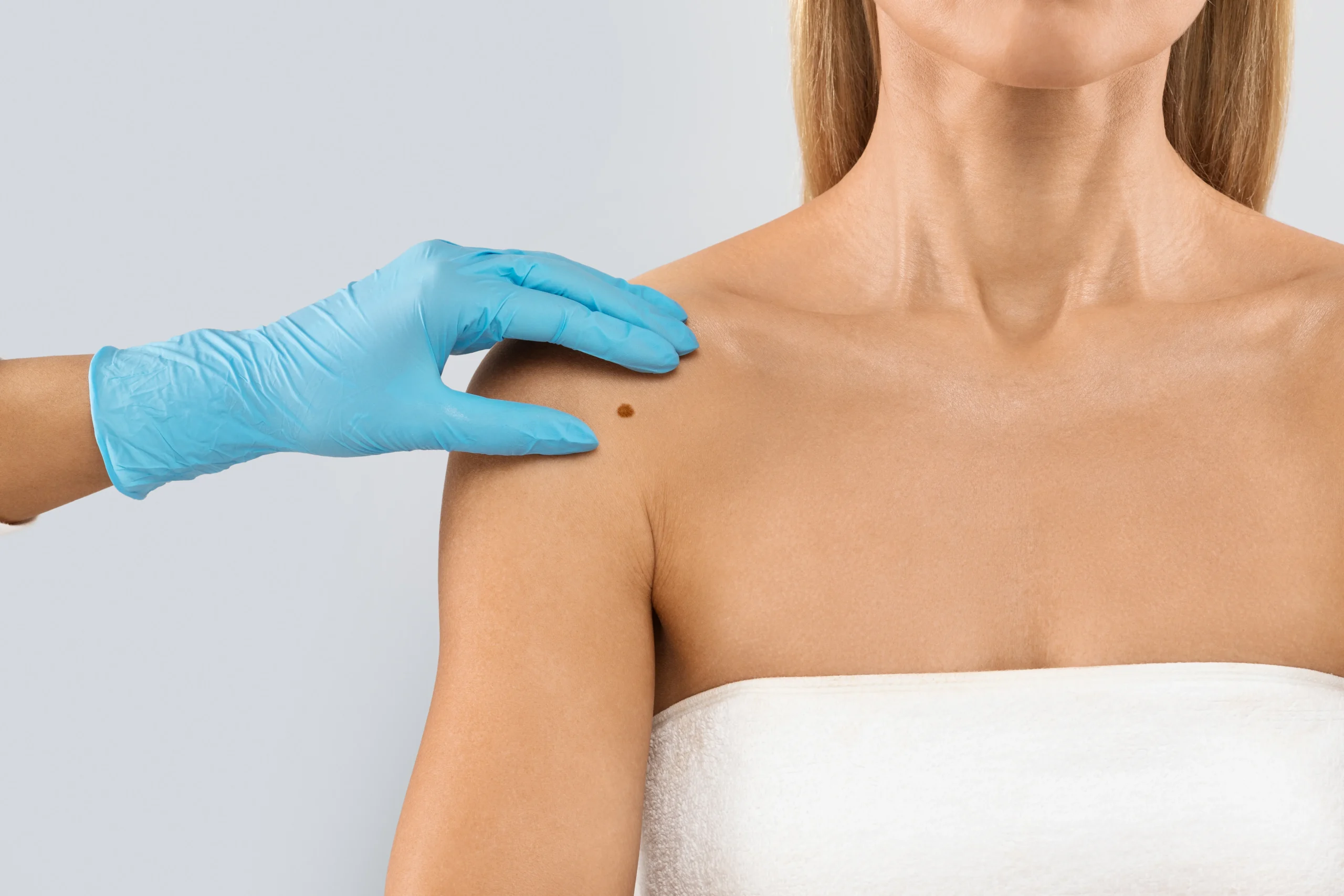

Spotting What Doesn’t Belong
What Is a Skin Lesion?
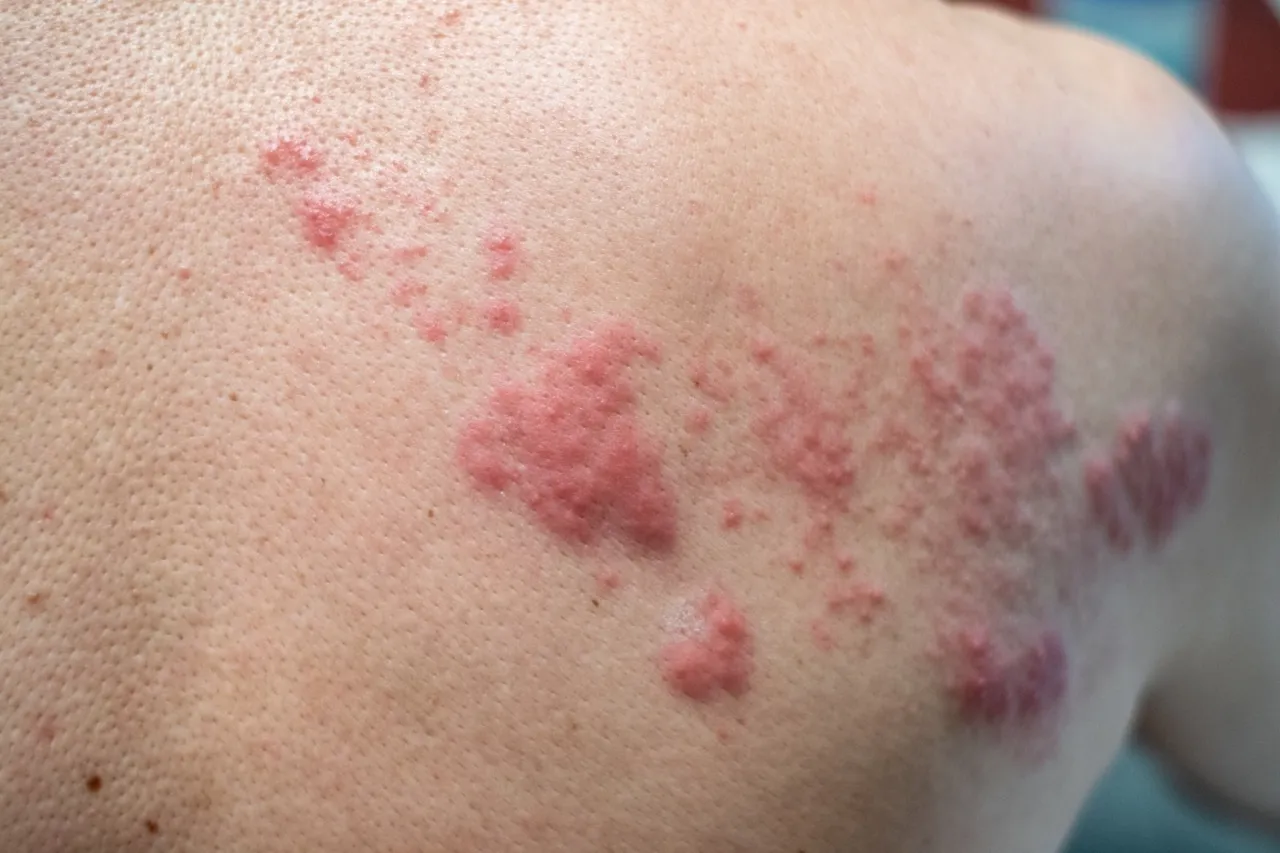
A skin lesion is any growth, mark, or change on the skin that looks or feels different from the surrounding tissue. Most are entirely benign, but any lesion that is new, changing, or causing symptoms should be assessed by a specialist.
Miss Rakhee treats a broad range of skin lesions, including:
- Moles (melanocytic naevi)
- Sebaceous and epidermoid cysts
- Lipomas
- Dermatofibromas
- Warts and viral lesions
- Skin tags
- Benign pigmented lesions
- Lip lesions
Knowing When to Act
When Should a Skin Lesion Be Removed?
A skin lesion should be removed when it shows signs of change, causes symptoms, or is a source of cosmetic concern. There are two main reasons patients seek removal: medical necessity and cosmetic or functional discomfort.
Medical reasons include any lesion that is growing rapidly, has an irregular or poorly defined border, is more than one colour, bleeds or fails to heal, or feels itchy or ulcerated. A helpful guide is the ABCDE checklist:
Border: edges are ragged, notched, or blurred
Diameter: larger than 6mm (about the size of a pencil eraser)
Evolution: any change in size, shape, colour, or a new symptom
Cure Rate

Cosmetic and functional reasons are equally valid. Many patients seek removal of a lesion that sits in a prominent area — such as the face, hands, or décolletage — or one that causes persistent irritation from clothing or jewellery.
You should consider seeking an assessment if:
- Your lesion has changed in size, shape, or colour
- It bleeds, crusts over, or won't heal
- It causes discomfort or catches on clothing
- You have a cosmetic concern about its appearance
- Your GP has recommended it be reviewed
Request an e-Consultation
Miss Nayar offers a convenient e-Consultation service for patients seeking a specialist opinion from across the UK and overseas. This secure digital pathway enables remote assessment of skin lesions and concerns, providing a prompt clinical recommendation.
It is an ideal first step for those considering Mohs surgery or reconstruction before travelling for an in-person appointment.
Peace of mind starts with knowledge
Why Patients Choose Miss Rakhee Nayar?
When it comes to skin lesion removal, the surgeon you choose makes all the difference. Miss Rakhee Nayar offers a level of expertise that is rare in the UK, combining technical precision with a genuine focus on cosmetic outcome.
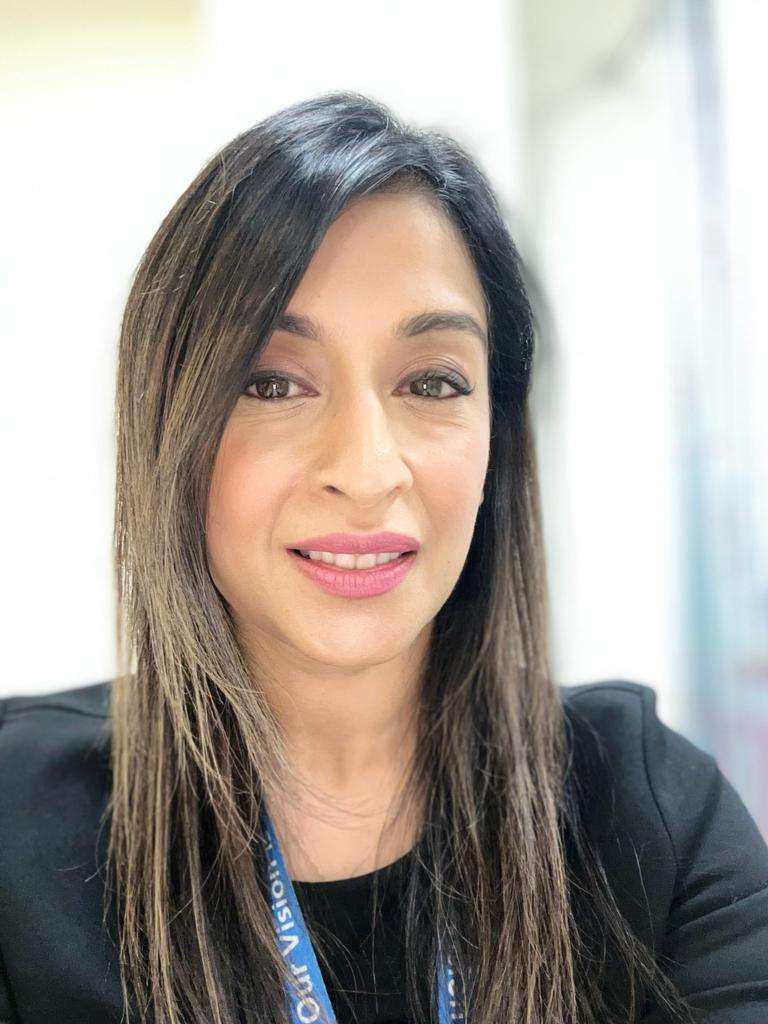
Uniquely Qualified
One of fewer than 10 women in the UK dual-trained in plastic surgery and Mohs micrographic surgery
Highly Experienced
Over 22 years of experience as a doctor
Cosmetically Focused
Particular expertise in lesions on the face, hands, lips, and décolletage, where appearance matters most
One Surgeon, One Procedure
Miss Rakhee usually performs both the excision and reconstruction herself, with no second surgeon required
Miss Rakhee sees patients at
Circle Health Cheshire Clinic
Fairfield Independent Hospital near St Helens
St Helens Hospital
Some Accepted insurers
Insured patients
Second opinions
e-Consultations
Self-pay patients welcome

How Are Skin Lesions Treated?
Treatment depends on the type, size, location, and nature of the lesion. During your consultation, Miss Rakhee will carry out a thorough clinical assessment and recommend the most appropriate approach for you.
The most widely used method. The lesion is removed with a small margin of healthy surrounding tissue and the wound is neatly closed with sutures. Suitable for most types of lesion.
The gold-standard technique for certain skin cancers, including squamous cell carcinoma (SCC) and basal cell carcinoma (BCC). The lesion is removed layer by layer, with each layer examined under the microscope in real time until clear margins are confirmed, preserving as much healthy tissue as possible.
Used for raised, superficial lesions. The lesion is shaved flush with the surrounding skin surface.
A scraping and burning technique suited to certain benign lesions such as warts and seborrhoeic keratoses.
Liquid nitrogen is used to freeze small, superficial benign lesions such as viral warts.
Comfortable Treatment, Trusted Hands
What Does Skin Lesion Removal Involve?
Skin lesion removal is most commonly performed under local anaesthetic as a day-case procedure, meaning you can go home the same day. The area around the lesion is numbed before the procedure begins, so you should not feel any pain — though some pressure or movement may be felt.
Here is what to expect:
Consultation
Miss Rakhee will assess your lesion clinically and, if appropriate, discuss the recommended removal technique with you.
Local anaesthetic
The treatment area is numbed. Most patients find this the most uncomfortable part, and it passes quickly.
Removal
The lesion is excised with a clear margin of surrounding tissue. Miss Rakhee performs both the removal and any necessary reconstruction herself — there is no need for a second surgeon.
Closure
The wound is closed carefully using sutures, with Miss Rakhee’s plastic surgery training applied to achieve the neatest possible result.
Histology
The removed tissue is sent to a laboratory for histological analysis to confirm the diagnosis.
see & treat
In selected cases, a same day “see and treat” service can be offered. If you are interested in this (non Mohs cases) please mention it at the time of booking your initial appointment.


Promote Smooth, Healthy Healing
Aftercare Following Skin Lesion Removal
Good wound care at home helps your skin heal well and reduces the risk of infection or scarring. Miss Rakhee’s team will provide you with full aftercare guidance before you leave, but the following instructions apply to most patients:
- Keep the wound covered with a bandage and ensure it stays completely dry for at least the first 24-48 hours following treatment
- Miss Nayar’s team will advise when to start to gently clean the wound with clean water twice a day
- After cleaning, apply a thin layer of petroleum jelly (such as Vaseline) to the wound and cover with a clean, non-stick bandage
- Continue to apply petroleum jelly and replace the bandage as needed to keep the wound moist and protected
- If a scab forms, leave it alone and allow it to fall off naturally — wounds heal faster when a scab is not allowed to develop, so keeping the wound moist helps prevent this
- If the wound begins to bleed, apply firm, direct pressure using a clean cloth and hold it in place until the bleeding stops
What to Expect During Your Recovery
Most patients return to their normal routine within a few days, with desk-based work resumable within one to three days and strenuous exercise avoided for two to four weeks, contact sports for 6-8 weeks.
Miss Rakhee’s plastic surgery training ensures every closure is performed with your cosmetic outcome in mind, and a follow-up appointment will be arranged to review your results and wound healing.

Common & expected
- Mild pain or discomfort around the wound site
- Bruising and swelling
- Temporary numbness in the surrounding skin
Less Common
- Wound infection
- Wound dehiscence (the wound edges separating before full healing)
- Haematoma (collection of blood beneath the skin)
Rare
- Hypertrophic or keloid scarring — more likely in certain skin types or wound locations
- Altered sensation around the scar
- Incomplete excision, requiring a further procedure
Peace of mind starts with knowledge
Possible Side Effects & Risks
Skin lesion removal is a safe and commonly performed procedure, but as with all surgery, there are some risks. Miss Rakhee will discuss these with you in full during your consultation and consent process and tailor her approach to minimise them based on your individual circumstances.
If you have any concerns about risks specific to your lesion or medical history, these can be discussed in detail at your consultation.
Real Stories. Real Success
Patients Feedback


What Our Patients Say
Concerned About Skin Cancer?
Book a Specialist Assessment
Early detection is vital for the successful treatment of skin cancer and can contribute to achieving the best aesthetic outcomes. Contact Miss Rakhee Nayar’s clinic today for a comprehensive evaluation by a dual-trained Mohs doctor and plastic surgeon.
or Call Us Now
07740 306144
Circle cheshire Clinic
The Courtyard, Hall Ln, Wincham, Northwich CW9 6DG, United Kingdom
07740 306144
contact@mohssurgeon.co.uk
Schedule Your Visit
Where to See Miss Nayar
Miss Rakhee Nayar provides specialist Mohs and reconstructive surgery at Circle Health Cheshire Clinic. This modern, private facility offers expert care in a discreet environment for patients across Cheshire and the North West.

Skin Lesion Removal
Frequently Asked Questions
Will skin lesion removal leave a scar?
All surgical excisions leave a scar. However, Miss Rakhee’s dual training in plastic surgery means every wound is closed with cosmesis in mind, using fine sutures and precise technique to minimise the final scar.
How long does skin lesion removal take?
Most procedures are completed within 30 to 60 minutes under local anaesthetic. You are able to go home the same day.
How soon will I receive my histology results?
Histology results are usually available within two weeks of your procedure. Miss Rakhee will discuss the findings with you at your follow-up appointment and advise on any further treatment if required.
What types of lesions can Miss Rakhee treat?
Miss Rakhee treats a wide range of benign and malignant skin lesions, including moles, sebaceous cysts, lipomas, skin tags, warts, lip lesions, keratoses, and skin cancers including SCC, BCC, and melanoma.
When should you seek a medical professional?
You should seek a professional opinion if a lesion is new, growing, changing in colour or shape, bleeding, crusting, or failing to heal. If you are ever in doubt, it is always better to have a lesion assessed sooner rather than later.
Are skin lesions and skin sores the same thing?
No. A skin lesion is a broad term for any abnormal area of skin, including moles, cysts, and growths. A skin sore typically refers to an open or broken area of skin. Some lesions can develop into sores if they ulcerate, which is one reason prompt assessment is important.
What are malignant skin lesions?
Malignant skin lesions are cancerous growths that have the potential to spread to other parts of the body. Common types include basal cell carcinoma (BCC), squamous cell carcinoma (SCC), and melanoma. Early detection and removal by a specialist significantly improves outcomes.
Are there ways to prevent skin lesions developing?
Not all skin lesions can be prevented, as many are influenced by genetics or age. However, protecting your skin from sun exposure — wearing SPF 50+ daily, avoiding sunbeds, and covering up in strong sunlight — significantly reduces your risk of developing malignant lesions. Regular self-examination and prompt review of any changes are also strongly recommended.