Diagnosing Basal Cell Carcinoma (BCC) on the face or neck requires a treatment plan that balances complete cancer clearance with aesthetic preservation. As a specialist Consultant Plastic Surgeon, Miss Rakhee Nayar provides Mohs Micrographic Surgery, the gold standard for BCC.
Patients Satisfaction Rate
Outstanding care and exceptional surgical results
of all skin cancers
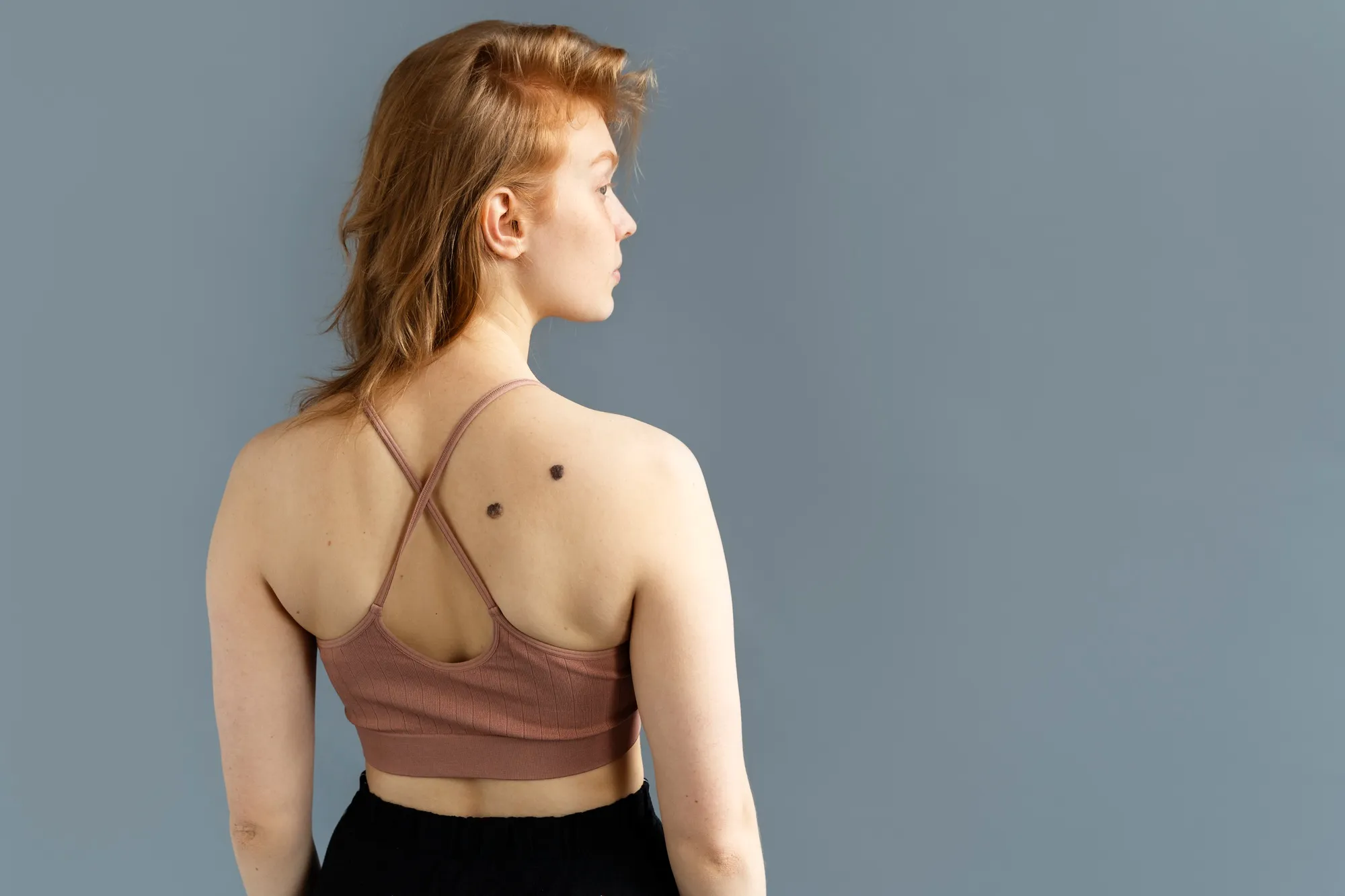
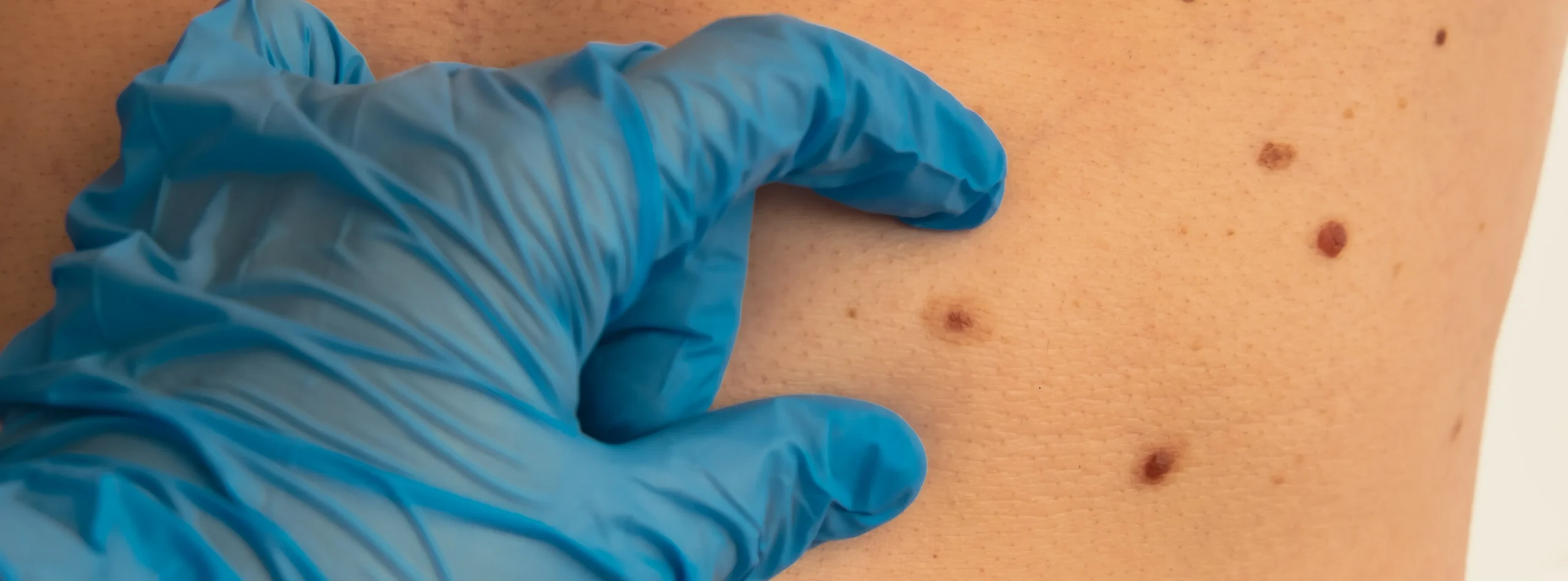
Facts about BCC
What is Basal Cell Carcinoma ?
Basal cell carcinoma is the most common form of skin cancer in the UK. It originates in the basal cells, which are found in the lower layer of the epidermis. While BCC grows slowly and rarely spreads to other parts of the body, it is “locally invasive,” meaning it can grow deep into the skin, muscle, and rarely even bone if left untreated.
Common Locations: BCC most frequently develops in sun-exposed areas where UV damage is highest. These include:
- The Head and Face: Particularly the nose, eyelids, and lips.
- Ears and Neck, Hairline & Scalp: Areas often missed by sun protection.
- Shoulders and Back: Frequently exposed during outdoor activities.
- Chest and Arms: Common sites for chronic sun exposure.
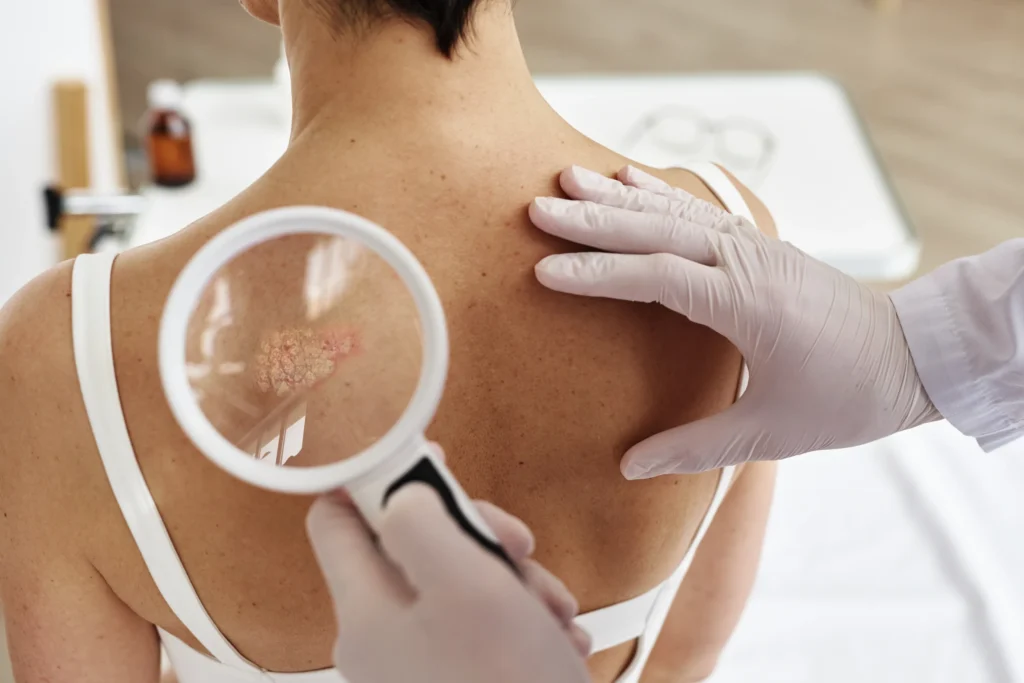
Signs and Symptoms
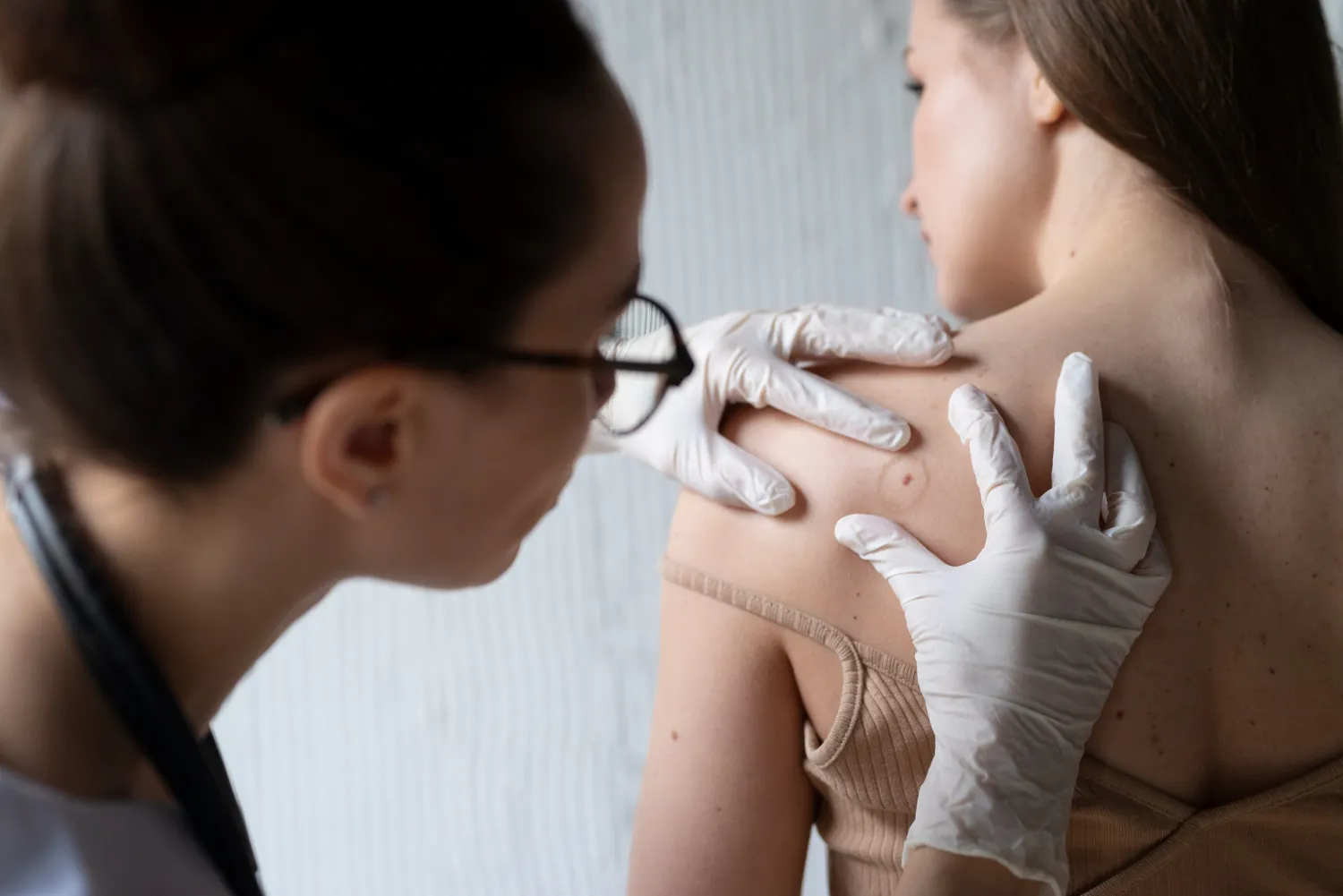
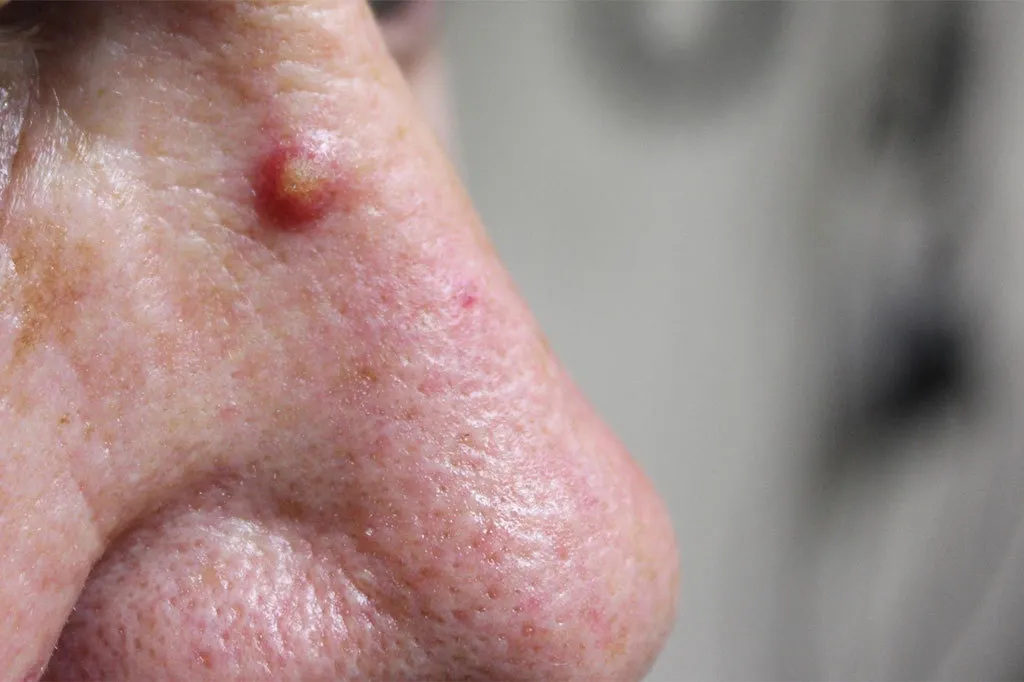
Recognising BCC early is key to a simple recovery. While it can vary in appearance, common signs to monitor include:
Pearly Bump
A shiny, skin-coloured or pink nodule that may have visible tiny blood vessels on the surface.
Non-Healing Sore
A spot that bleeds, crusts over, or scabs but never fully heals over several weeks.
A Scar-Like Patch
A flat, firm area that looks like a scar but appears without a previous injury or wound.
A Reddish Patch
An itchy or irritated area, most common on the chest or back.
Request an e-Consultation
Miss Nayar offers a convenient e-Consultation service for patients seeking a specialist opinion from across the UK and overseas. This secure digital pathway enables remote assessment of skin lesions and concerns, providing a prompt clinical recommendation.
It is an ideal first step for those considering Mohs surgery or reconstruction before travelling for an in-person appointment.
Skin Cancer's Smartest Solution
What Is Mohs Surgery?
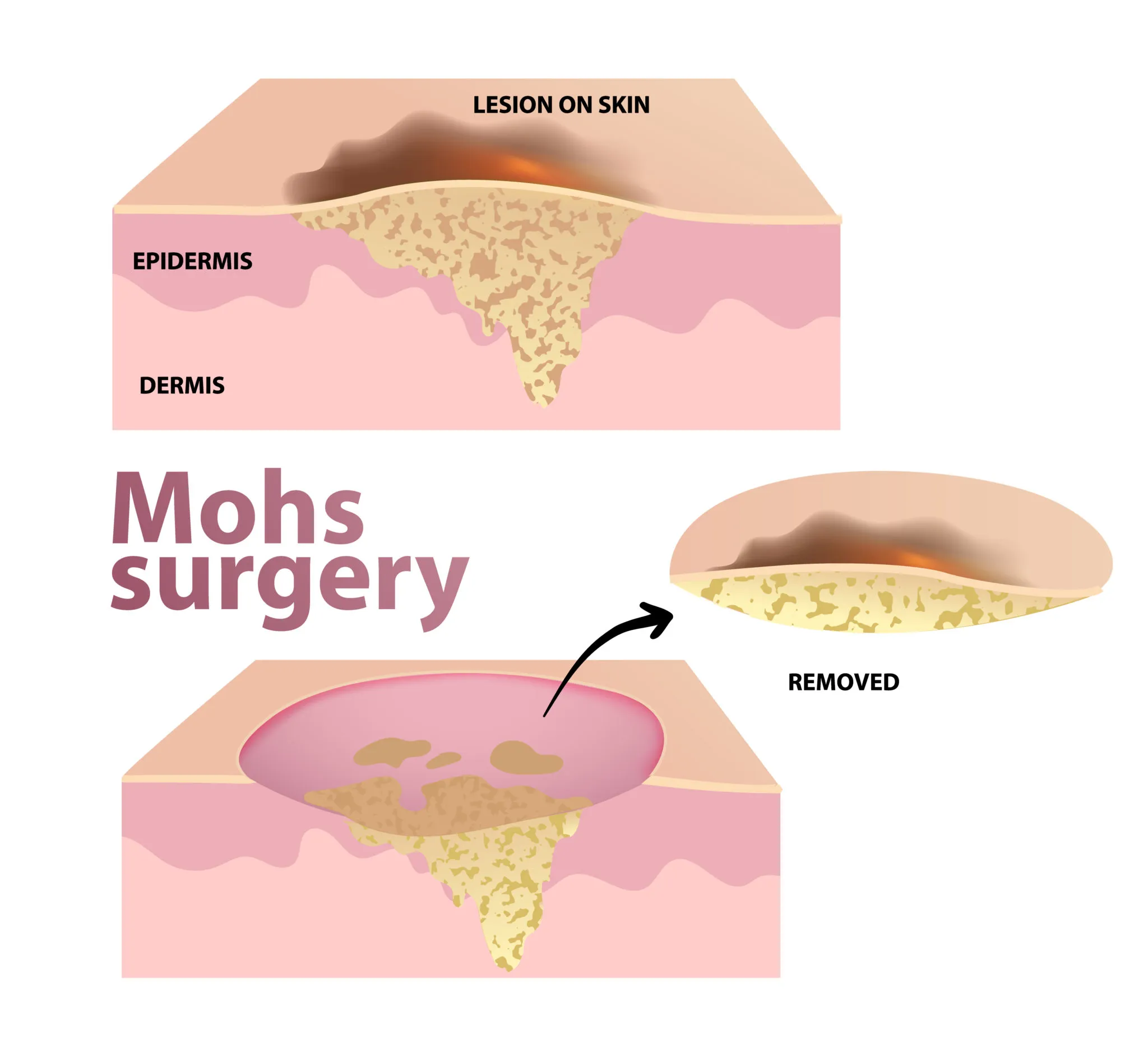
Mohs surgery is a high-precision technique. By examining 100% of the surgical margins under a microscope while you are at the clinic, this “layer-by-layer” approach ensures every microscopic “root” of the cancer is removed.
The slides are checked by Miss Nayar and a consultant pathologist at the same time which is a recommendation of the Mohs Micrographic Surgery (MMS) UK surgical standards and service guidance, to minimise error rates found in reporting. Miss Nayar was a member of the working party group advisory board and a guideline author.
Cure Rate
Why Mohs is Recommended for BCC
While standard excision is effective for many cases, not every basal cell carcinoma (BCC) requires Mohs surgery. Miss Nayar typically recommends this specialised approach for BCCs located on the face, ears, or scalp, as well as for tumours that are large, aggressive, indistinct, have recurred after previous treatment or disease which has been difficult to remove with standard measures.
- Precision: By mapping and examining 100% of the surgical margins, Mohs surgery eliminates the "blind spots" associated with traditional pathology, ensuring even the deepest roots are identified.
- Highest Success Rates: It provides the most reliable outcome for BCC, with the highest cure rate for new tumours, significantly reducing the risk of the cancer returning.
- Preserving Vital Tissue: Only cancerous tissue is removed, allowing Miss Nayar to preserve maximum healthy skin—critical for maintaining the function and appearance of delicate areas such as the nose, lips, eyelids, and ears, while minimising scarring and hair loss on the scalp.
- Optimised Reconstruction: The smaller, more precise wound created by the Mohs process allows a Consultant Plastic Surgeon to perform a more discreet and natural-looking reconstruction.
Specialist Skills. Outstanding Results.
Meet Miss Rakhee Nayar: A Specialist in Mohs & Plastic Surgery
Choosing a specialist for facial skin cancer requires a balance of oncological precision and aesthetic skill. Miss Rakhee Nayar is a Consultant Plastic Surgeon and a distinguished leader in the field, currently serving as the National Chairwoman for Mohs Training.
“Balancing precision with care.”
National Leadership
She serves as the National Chairwoman for Mohs Training, responsible for overseeing the educational standards and surgical certification of Mohs surgeons across the UK.
Dual Accreditation
Miss Nayar is one of less than 10 women in the UK to hold the dual qualification of Consultant Plastic Surgeon and Mohs Surgeon.
Specialist Fellowship
She is a Fellow of the Royal College of Surgeons (FRCS Plast), the highest professional qualification awarded to plastic surgeons in the UK.
Expert Reconstruction
Her background as a Consultant Plastic Surgeon allows her to perform complex facial reconstructions that many standard Mohs units cannot offer.
Oncological Excellence
With a specialised focus on Mohs Micrographic Surgery, she achieves cure rates of up to 99% for primary Basal Cell Carcinomas.
Evidence based background
Was a member of the Working Party Group (WPG) Advisory board and guideline author for the Mohs Micrographic Surgery UK Surgical Standards and Service. A document which underpins safe practice of surgery led Mohs surgery.
Risk Factors for BCC
- Chronic sunlight and tanning bed use significantly increase risk over time.
- Light skin and eyes provide less natural melanin to protect against UV damage.
- Risk increases with age and is statistically more prevalent in men.
- Previous skin cancer or a weakened immune system hinders DNA repair.
Potential Complications
- Rare surgical wound risks are managed through sterile techniques and aftercare.
- Minor bleeding is expected, though internal collections (haematoma) may require attention.
- Combining Mohs surgery with plastic reconstruction ensures the most discreet result possible.
Prevention and Long-Term Health
- Use broad-spectrum at least SPF 30+ every morning to block UVA and UVB rays.
- Use wide-brimmed hats and UV-blocking sunglasses to shield facial skin.
- Stay out of direct sunlight between 11:00 am and 3:00 pm.
- Perform monthly checks for new spots, non-healing sores, or changing moles.
- Annual specialist screenings are vital for early detection in high-risk patients.
Early Awareness. Better Outcomes.
Risk Factors, Complications, and Prevention
While Basal Cell Carcinoma (BCC) is highly treatable, understanding the factors that contribute to its development and the potential risks involved in surgery is essential for long-term skin health.

Real Stories. Real Success
Key Signs and Symptoms of Basal Cell Carcinoma (BCC)


99.9% Patient Success Stories
Concerned About Skin Cancer?
Book a Specialist Assessment
Early detection is vital for the successful treatment of skin cancer and can contribute to achieving the best aesthetic outcomes. Contact Miss Rakhee Nayar’s clinic today for a comprehensive evaluation by a dual-trained Mohs doctor and plastic surgeon.
or Call Us Now
07740 306144
Circle cheshire Clinic
The Courtyard, Hall Ln, Wincham, Northwich CW9 6DG, United Kingdom
07740 306144
contact@mohssurgeon.co.uk
Schedule Your Visit
Where to See Miss Nayar
Miss Rakhee Nayar provides specialist Mohs and reconstructive surgery at Circle Health Cheshire Clinic. This modern, private facility offers expert care in a discreet environment for patients across Cheshire and the North West.

Frequently Asked Questions about BCC
We've Got Your Questions Covered
What does bcc look like?
It varies by type; Basal Cell Carcinoma (BCC) often appears as a pearly, shiny bump or a non-healing sore, while Squamous Cell Carcinoma (SCC) may look like a firm red nodule or a scaly patch.
What if you leave skin cancer untreated?
If left alone, cancer can invade deeper tissues, potentially causing significant disfigurement to the nose, eyes, or ears, and in some cases, spreading to other parts of the body.
How effective is Mohs surgery for basal cell carcinoma?
Mohs surgery is the most effective treatment for BCC, offering the highest cure rates of any removal method. For new (primary) tumours, the success rate is up to 99%. This precision is due to the microscopic mapping of 100% of the surgical margins.
Is all facial skin cancer serious?
While most are slow-growing and rarely life-threatening, all require medical attention to prevent local tissue destruction and ensure they do not become more aggressive.
Does BCC always return after treatment?
With Mohs surgery, the recurrence rate for a new BCC is less than 1%. However, having one skin cancer increases your risk of developing others elsewhere, making regular professional skin checks vital for long-term health.
Can BCC be prevented?
Latest evidence suggests sun damage in childhood or earlier years contributes the greatest to development of BCCs. Subsequent damage is preventable by using broad-spectrum at least SPF 30+ daily, wearing protective clothing, and avoiding direct sunlight during peak UV hours.