
TL;DR:
- Early and consistent scar care, including moisture, sun protection, and massage, significantly improves healing outcomes.
- Professional treatments like corticosteroid injections and laser therapy are effective for raised or problematic scars, especially when combined with daily routines.
Scars are a natural part of healing, but that does not mean you are stuck with them. Whether your scar came from surgery, an injury, or a skin condition, the right tips for scar management can meaningfully improve how your skin looks and feels over time. What most people do not realise is that the choices you make in the first weeks after a wound closes have an outsized effect on the final result. This article covers practical, evidence-based strategies, from daily scar care routines to advanced medical procedures, so you can make informed decisions about your skin.
Table of Contents
- Key takeaways
- 1. Core tips for scar management: your daily foundation
- 2. Nutrition and lifestyle habits that accelerate scar healing
- 3. Medical and in-clinic treatments worth knowing about
- 4. Tailoring your approach to the type and location of your scar
- 5. Comparing your scar management options and choosing wisely
- What I have learned about scar care after years in this field
- Specialist scar care after skin cancer treatment
- FAQ
Key takeaways
| Point | Details |
|---|---|
| Start early | Beginning scar care as soon as stitches are removed significantly improves long-term outcomes. |
| Moisture is non-negotiable | Keeping wounds moist with petroleum jelly or silicone gel prevents hard scabs and thick scars. |
| Sun protection matters most | Daily SPF 30+ sunscreen is the single most effective non-invasive step to prevent dark, permanent scarring. |
| Scar type drives treatment | Hypertrophic, keloid, and atrophic scars each respond differently and need tailored approaches. |
| Combine strategies | No single method erases a scar. The best results come from combining daily care with professional treatment. |
1. Core tips for scar management: your daily foundation
The most powerful scar care tools are not found in expensive product ranges. They are simple, consistent habits practised every day.
- Keep the wound clean. Wash gently with mild soap and water to prevent infection. Inflammation from infection dramatically worsens scar formation, so this step is not optional.
- Maintain moisture. Keeping wounds moist with petroleum jelly and a non-stick dressing prevents hard scabs from forming, which is one of the most reliable ways to reduce raised or irregular scars.
- Do not pick or scratch. Picking at scabs aggravates the scar, introduces infection, and causes irregular, thickened tissue. It prolongs healing considerably.
- Protect from the sun. Sun exposure causes hyperpigmentation and slows the healing process, making scars darker and far more visible. Apply SPF 30 or higher daily once the wound has closed, and use physical barriers like hats or clothing on exposed areas.
- Minimise movement. For scars over joints or mobile skin, limiting unnecessary tension across the wound reduces the risk of stretched or thickened scars during the early healing phase.
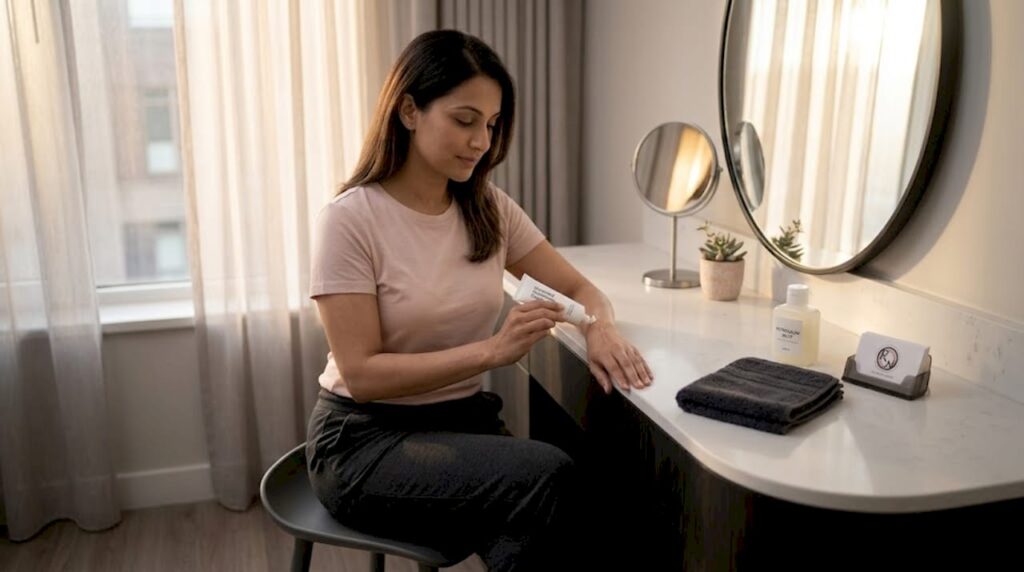
- Massage regularly. Gentle daily massage with a plain moisturiser for a few minutes each day, within the first year, helps break down scar tissue and improve softness and mobility.
Pro Tip: Plain petroleum jelly or a simple, fragrance-free moisturiser works just as well as costly scar creams for keeping new wounds moist. Do not assume a higher price tag means better results.
2. Nutrition and lifestyle habits that accelerate scar healing
Your skin heals from the inside out. What you eat, how much you sleep, and whether you smoke will show up directly in your scar.

Balanced nutrition rich in vitamin C, zinc, protein, and healthy fats actively supports collagen production and improves the quality of wound repair. Think lean meats, eggs, leafy greens, citrus fruits, nuts, and oily fish. These are not luxury additions to your diet. They are the raw materials your skin needs to rebuild.
Hydration is equally important. Well-hydrated skin maintains elasticity and processes nutrients more effectively. Aim for at least six to eight glasses of water daily throughout your recovery.
- Stop smoking. Smoking restricts blood flow to the skin, dramatically slowing healing and increasing the risk of poor scar formation.
- Stay gently active. Light movement improves circulation, which carries oxygen and nutrients to healing tissue. Avoid strenuous exercise that stretches the wound in the early weeks.
- Prioritise sleep. Most cellular repair happens during deep sleep. Chronic sleep deprivation raises cortisol levels, which actively interferes with wound healing.
Pro Tip: Adding a daily vitamin C supplement (500mg) during the first three months of scar healing has been shown to support collagen synthesis, especially if your diet is variable.
3. Medical and in-clinic treatments worth knowing about
Daily care takes you far, but some scars need clinical intervention. Understanding your options helps you ask the right questions and set realistic expectations.
Corticosteroid injections are among the most effective treatments for raised scars. Compound betamethasone injections showed 93.65% effectiveness in reducing scar thickness and associated symptoms across a study of 126 patients, outperforming the more commonly used triamcinolone acetonide over a six-month period. For hypertrophic or keloid scars that have not responded to topical care, this is a treatment worth discussing with a specialist.
Laser therapy and microneedling can reduce scar appearance by over 50% by promoting collagen reorganisation in the deeper layers of skin. These procedures can begin as early as one week after stitches are removed, and earlier intervention consistently yields better results.
Silicone gel sheets provide sustained hydration and pressure to the scar surface, reducing redness, itching, and thickness over several months. They are widely recommended for both post-surgical and injury-related scars and are available over the counter.
| Treatment | Best suited for | Expected outcome |
|---|---|---|
| Silicone gel sheets | Hypertrophic, post-surgical scars | Softening, reduced redness over months |
| Corticosteroid injections | Raised, thickened, or keloid scars | Significant flattening, itch relief |
| Laser therapy | Surface irregularity, pigmentation | 50%+ improvement in texture and colour |
| Microneedling | Atrophic, depressed scars | Collagen stimulation, improved texture |
| Surgical revision | Severe contractures, function-limiting scars | Functional improvement, refined appearance |
Pro Tip: Always get a proper diagnosis before starting treatments like microneedling or steroid injections. Proper diagnosis before advancing treatments is critical, since the wrong approach for a keloid versus a hypertrophic scar can worsen the outcome.
Seek professional help if your scar is restricting movement, growing beyond the original wound boundary, causing persistent pain, or causing significant psychological distress. These are not signs of dramatic overcaution. They are valid clinical indicators for intervention.
4. Tailoring your approach to the type and location of your scar
Not all scars behave the same way, and treating them all identically is one of the most common mistakes in post-surgery scar management.
Hypertrophic scars are raised and red but stay within the wound boundary. They often respond well to silicone sheets, massage, and corticosteroid injections. Keloid scars extend beyond the original injury site and are far more persistent. They require medical oversight and typically need combined treatments. Atrophic scars, common after acne or chickenpox, are depressed into the skin and respond better to microneedling or filler-based approaches. Contracture scars, which form over joints after burns or extensive injury, can limit movement and may require surgical release.
- Facial scars deserve particular attention, not only for aesthetic reasons but because of the psychological and social impact they carry. Sun protection and silicone gel are especially relevant here. For significant facial scarring, such as post-surgery facial outcomes, specialist reconstructive input can make a considerable difference.
- Joint scars benefit from specific physiotherapy exercises to prevent contracture, alongside the usual topical scar care.
- Surgical revision may be indicated when a scar causes functional restriction, or when its placement or orientation means it will not improve with conservative measures alone.
Pro Tip: For scars on highly mobile areas like knuckles or elbows, secure silicone sheets with medical tape to keep them in contact with the skin during movement. Consistent contact time is what makes them effective.
5. Comparing your scar management options and choosing wisely
With so many strategies available, the practical question becomes: where do you start and how do you combine them?
| Approach | Benefits | Considerations |
|---|---|---|
| Daily moisturising and protection | Low cost, no side effects, cumulative benefit | Requires consistency over months |
| Silicone gel sheets | Well evidenced, accessible | Must be worn 12+ hours daily |
| Massage | Improves softness and mobility | Needs technique, daily commitment |
| Corticosteroid injections | High efficacy for raised scars | Requires clinic visit, potential skin thinning |
| Laser and microneedling | Significant improvement in texture | Higher cost, multiple sessions needed |
Your starting point should be guided by scar type, severity, your age, your skin tone, and how recently the injury occurred. Early scar management starting as soon as stitches are removed consistently improves chances of a less noticeable outcome. Darker skin tones carry a higher risk of hyperpigmentation and keloid formation, which changes the risk profile of certain treatments.
Realistic expectations matter. Medical treatments can significantly improve raised or difficult scars but do not erase them completely. Combining a daily scar care routine with one or two clinical approaches, guided by a specialist, almost always outperforms any single method used in isolation.
What I have learned about scar care after years in this field
My honest view is that most people underestimate the basics and overestimate what one product or one treatment can do on its own. I have seen patients invest heavily in advanced procedures while skipping daily sunscreen or picking at their healing wounds at home. The result is consistently disappointing.
What actually works is layering. Start with the foundation: moisture, sun protection, no picking. Add massage once the skin is closed and stable. Then, if the scar is proving problematic after eight to twelve weeks, bring in clinical support. That sequencing matters enormously.
The other thing I would urge you to take seriously is timing. Earlier interventions consistently yield superior results. A scar that has been neglected for two years is far harder to treat than one addressed within the first few months. If you are unsure whether your scar warrants professional input, err on the side of getting it assessed sooner rather than later.
Finally, do not discount the emotional side of this. Especially for managing facial scars, the psychological impact is real and worth taking seriously. Seeking support is not an overreaction. It is part of comprehensive care.
— Gregg
Specialist scar care after skin cancer treatment
For patients recovering from skin cancer removal, scar management takes on an added dimension. The precision of Mohs micrographic surgery already works to preserve healthy tissue and minimise the wound footprint, but skilled post-surgical scar care is what determines the long-term aesthetic result.

At Mohssurgeon, Miss Rakhee Nayar combines her dual expertise in plastic surgery and Mohs surgery to plan each excision and reconstruction with scar outcomes in mind from the very first step. Patients receive personalised guidance on their post-surgery scar management plan, from immediate wound care through to long-term scar reduction techniques. If you are preparing for skin cancer treatment or managing a post-surgical scar, a consultation with a specialist who understands both oncology and reconstruction makes a significant difference.
FAQ
How soon can I start scar management after surgery?
You can begin basic wound care immediately after surgery and start active scar management, including silicone sheets and gentle massage, as soon as stitches are removed. Earlier treatment consistently improves outcomes.
Does sunscreen really make a difference to scar appearance?
Yes. Sun protection is the most important non-invasive measure you can take. UV exposure causes permanent hyperpigmentation in healing scars, making them significantly darker and more visible long-term.
What is the most effective treatment for raised scars?
Corticosteroid injections, particularly compound betamethasone, are among the most effective options for hypertrophic scars, with clinical efficacy of over 93% in reducing thickness. They work best alongside silicone gel and sun protection.
Can I manage scars at home without seeing a specialist?
Mild, flat scars often respond well to daily moisturising, sun protection, silicone gel, and massage. However, raised, keloid, or movement-restricting scars require professional assessment to avoid worsening the outcome.
How long does scar management take to show results?
Most scars continue to mature and change for up to two years. Daily care measures show gradual improvement over months, while clinical treatments like laser or injections may deliver more noticeable changes within six to twelve weeks of starting treatment.