
TL;DR:
- Proper wound care with moisture-balanced dressings enhances healing and reduces scarring.
- Meticulous sun protection is crucial to prevent hyperpigmentation and new skin cancers.
- Ongoing self-monitoring and regular dermatologist follow-ups are vital for long-term skin health.
Recovering from Mohs micrographic surgery is not simply a matter of waiting for a wound to close. Every decision you make in the weeks and months that follow, from how you cleanse the site to whether you step outside without sunscreen, directly shapes your long-term skin health and your risk of recurrence. Basal cell carcinoma and squamous cell carcinoma patients face a genuinely elevated risk of developing new skin cancers after treatment, which means recovery is only the beginning of a lifelong commitment. This article walks you through evidence-based strategies for wound healing, sun protection, general health optimisation, and ongoing skin monitoring so you can approach your recovery with confidence.
Mohs Surgery Recovery Roadmap: Wound Care, Sun Protection & Follow-Up
- Prioritise healthy wound healing
- Protect your skin from the sun meticulously
- Monitor and support your overall health
- Stay vigilant: self-exams and follow-up appointments
- Our expert perspective on achieving long-term skin wellness
- Expert support for your skin health journey
- Frequently asked questions
Key Takeaways
| Point | Details |
|---|---|
| Support every healing stage | Moisture-balanced care and gentle hygiene help your wound heal smoothly and reduce scarring. |
| Sun protection is mandatory | Consistent use of sunscreen, clothing and shade prevents recurrence and pigment changes in scars. |
| Monitor and optimise your health | Look after nutrition and medical conditions to speed healing and lower the risk of complications. |
| Self-exams stop surprises | Monthly skin checks and regular dermatologist visits catch new or returning cancers early. |
Prioritise healthy wound healing
Your skin does not heal in one smooth, continuous process. It moves through four distinct phases, and each one requires a different kind of support. Understanding this progression helps you avoid the mistakes that slow recovery or worsen scarring.
The four stages unfold as follows:
- Haemostasis (minutes to hours): Blood clotting begins immediately after surgery. Avoid disturbing the wound during this window.
- Inflammation (days 1 to 5): Redness, warmth, and mild swelling are normal. This is your immune system clearing debris and preparing the site.
- Proliferation (days 5 to 21): New tissue forms. Keeping the wound moist is critical here. Wound healing phases show that moisture-balanced dressings prevent scabbing and hardening, whereas dry healing significantly delays re-epithelialisation.
- Remodelling (weeks to months): Collagen reorganises. Scars soften and fade gradually. This phase can last up to two years.
For daily wound care, a consistent routine matters far more than expensive products. Gently cleanse the site once or twice daily with mild soap and water. Pat dry with a clean cloth. Apply a thin layer of petroleum jelly or a surgeon-approved ointment, then cover with a non-stick dressing. Change dressings as instructed, usually once daily.
Common mistakes to avoid:
- Using hydrogen peroxide or iodine-based antiseptics, which damage new tissue
- Allowing the wound to dry out and form a hard scab
- Picking at crusts, which disrupts the proliferative phase
- Skipping dressing changes because the wound “looks fine”
“Moisture-balanced wound care is not optional. It is the single most evidence-supported factor in reducing healing time and improving cosmetic outcomes after skin cancer surgery.”
For patients concerned about long-term appearance, guidance on minimising scarring after removal offers practical, surgeon-backed advice tailored to Mohs patients.
Pro Tip: Silicone gel sheets, applied once the wound has fully closed, are among the most clinically supported options for reducing scar thickness and redness during the remodelling phase. Ask your surgeon when to introduce them.
Protect your skin from the sun meticulously
Once your wound care routine is established, sun protection becomes your most important daily habit. Healing skin is far more vulnerable to UV damage than intact skin, and the consequences go beyond cosmetic concerns.
UV on healing scars causes hyperpigmentation three times worse than on normal skin, making layered protection essential from the earliest stages of recovery. Beyond pigmentation, UV exposure is the primary modifiable risk factor for new skin cancers in patients who have already had basal cell or squamous cell carcinoma.
Core sun protection habits to build into every day:
- Apply broad-spectrum SPF 30+ sunscreen every morning, reapplying every two hours when outdoors
- Wear wide-brimmed hats that shade the face, ears, and neck
- Choose UPF 50+ clothing for extended outdoor exposure
- Seek shade between 10am and 2pm when UV index is highest
- Never use tanning beds under any circumstances
Here is a quick comparison of protection methods:
| Protection method | UV reduction | Best for | Limitation |
|---|---|---|---|
| SPF 50+ sunscreen | Up to 98% UVB | Face and exposed skin | Must reapply every 2 hours |
| UPF 50+ clothing | 98% UVA and UVB | Body coverage | Less practical for face |
| Wide-brimmed hat | Variable (60 to 80%) | Face, neck, ears | Wind and movement reduce coverage |
| Shade alone | 50 to 75% | General reduction | Reflected UV still reaches skin |
For patients navigating elevated risk, our high-risk skin cancer guide outlines the specific factors that increase vulnerability to recurrence, while our skin cancer prevention resource covers broader protective strategies.
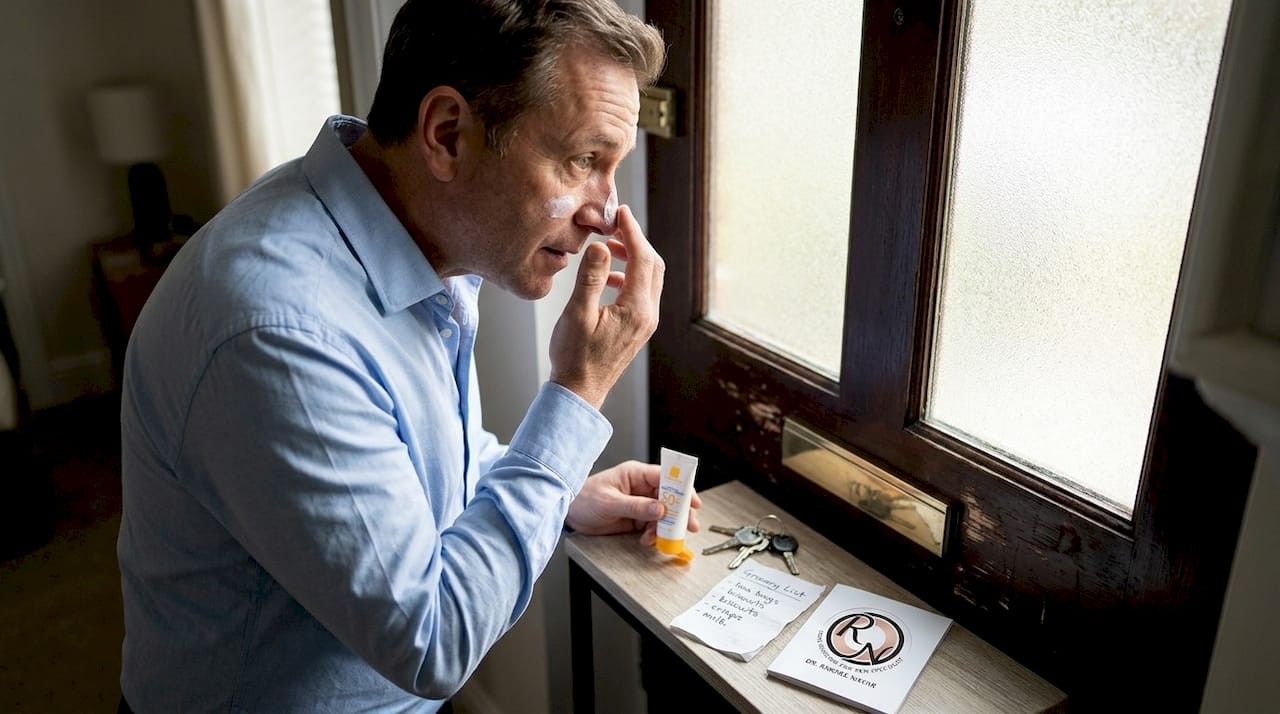
Pro Tip: Keep a travel-sized SPF 50+ sunscreen next to your front door or in your bag. The single biggest barrier to consistent sunscreen use is convenience. Remove the friction and the habit sticks.
For a more detailed breakdown of daily habits, the practical sun safety guide is worth bookmarking.
Monitor and support your overall health
Wound care and sun protection address what happens at the skin surface. But your body’s internal environment determines how quickly and effectively that surface heals. Several systemic factors can significantly alter your recovery trajectory.
Advanced age, diabetes, immune suppression, and poor blood flow all delay wound healing. Patients with diabetes, in particular, may experience slower tissue repair and a higher risk of infection due to impaired circulation and immune response. This does not mean complications are inevitable, but it does mean proactive management is essential.
Habits that support healing from the inside out:
- Eat protein at every meal. Collagen synthesis depends on adequate protein intake. Aim for lean meats, eggs, legumes, or dairy.
- Stay hydrated. Dehydrated tissue heals more slowly. Aim for six to eight glasses of water daily.
- Manage blood sugar carefully. If you have diabetes, tighter glycaemic control during recovery reduces infection risk meaningfully.
- Avoid smoking. Nicotine constricts blood vessels and directly impairs tissue oxygenation.
- Move gently. Light walking improves circulation without stressing the wound. Avoid strenuous activity until cleared by your surgeon.
- Sleep consistently. The body performs the majority of its repair work during deep sleep.
It is worth noting that severe complications following Mohs surgery are genuinely rare when risk factors are actively managed. The procedure itself has a cure rate exceeding 99% for primary basal cell carcinoma, and most patients recover without significant incident when they follow post-operative guidance closely.
Pro Tip: Before your follow-up appointment, write down any medications, supplements, or health conditions you are managing. Your surgeon can then flag any interactions or adjustments that might affect healing. Proactive disclosure leads to better-tailored advice.
For a structured overview of what to expect after surgery, the guidance on follow-up after surgery covers timelines, warning signs, and how to prepare for each appointment.
Stay vigilant: self-exams and follow-up appointments
Long-term skin health after Mohs surgery requires active monitoring, not passive hope. Skin cancers can recur, and patients who have had one are at significantly elevated risk of developing new lesions elsewhere.
Monthly self-exams and dermatologist follow-ups every three to twelve months are recommended for all patients with a history of basal cell or squamous cell carcinoma, given the ongoing risk of new or recurrent tumours.
Here is how to conduct a thorough self-exam:
- Choose a well-lit room with a full-length mirror and a hand mirror.
- Examine your face, scalp, ears, and neck carefully. Use the hand mirror for hard-to-see areas.
- Check your chest, abdomen, and back. Ask a partner to help with your back if needed.
- Inspect your arms, hands, and fingernails.
- Examine your legs, feet, and the soles of your feet.
- Note any new spots, changes in existing moles, or areas that bleed, crust, or fail to heal within three weeks.
| Exam type | Strengths | Limitations |
|---|---|---|
| Self-exam | Monthly frequency, early awareness, no cost | Cannot assess dermoscopic features, may miss subtle changes |
| Professional exam | Dermoscopy, biopsy capability, expert pattern recognition | Less frequent, requires appointment |
Both approaches work best together. Self-exams keep you alert between appointments; professional exams catch what the naked eye misses. Our cancer detection guidance explains what clinicians look for, and the resource on spotting symptoms on the face is particularly useful for Mohs patients whose surgery was in a cosmetically sensitive area.
Our expert perspective on achieving long-term skin wellness
After working with patients through Mohs surgery and reconstruction, the pattern that separates those who thrive long-term from those who struggle is rarely about which moisturiser they use. It is about consistency and self-advocacy.
The most common pitfall we see is overconfidence once the scar fades. Patients complete their initial follow-ups, the wound looks excellent, and they quietly stop attending appointments or applying sunscreen daily. This is precisely when vigilance matters most. Skin cancer does not announce its return.
The most underestimated factor in long-term success is thorough patient education. Patients who understand why each step matters are far more likely to maintain those habits for years, not weeks. They ask better questions, notice changes earlier, and advocate for themselves at follow-up appointments.
If you want to understand what recovery and real-world reconstructive outcomes genuinely look like beyond the immediate post-operative period, that knowledge is what sustains good decisions over time. No product replaces it.
Expert support for your skin health journey
Navigating recovery after Mohs surgery is far easier when you have specialist support behind you. Whether you are managing wound healing, concerned about a new spot, or simply want expert reassurance about your skin’s progress, accessing the right guidance early makes a measurable difference.

Miss Rakhee Nayar’s clinic offers Mohs surgery expertise with the rare combination of plastic surgery and Mohs training, ensuring that both cure rates and cosmetic outcomes are prioritised from the outset. If you are still weighing your options, the detailed overview of the Mohs procedure explained answers the most common patient questions clearly. For ongoing monitoring, our advanced skin cancer detection service supports patients at every stage of their journey. Do not wait for a concern to become a complication.
Frequently asked questions
How soon can I wash my face after Mohs surgery?
You may wash your face carefully within 24 hours using water and mild soap, but avoid soaking or scrubbing the surgical area. Evidence favours gentle cleansing over harsh antiseptics, which can damage new tissue and slow healing.
When should I start using sunscreen on the healing site?
Begin using sunscreen on the wound once the skin has fully closed, typically after one to two weeks, or when cleared by your surgeon. Layered UV protection on scars prevents hyperpigmentation that is three times worse than on unaffected skin.
What should I look for during self-exams after surgery?
Check monthly for new spots, changes in existing scars or moles, and any areas that do not heal as expected within three weeks. Monthly self-exams are recommended due to the ongoing risk of recurrence in patients with a history of skin cancer.
How do health conditions like diabetes affect my recovery?
Conditions such as diabetes may slow wound healing by impairing circulation and immune response, so extra attention to blood sugar management and nutrition is vital. Diabetes and poor vascularity are among the most significant systemic factors that delay post-surgical tissue repair.