TL;DR:
- Empathy and active listening are more helpful than giving advice or sharing stories.
- Providing concrete, specific assistance such as transportation or meals greatly eases daily routines.
- Building a supportive network and prioritizing self-care prevent burnout and enhance overall support.
Watching someone you love navigate a skin cancer diagnosis can leave you feeling helpless, unsure whether to speak up or stay quiet, act or wait. The instinct to help is powerful, but many friends and family members hold back because they fear saying the wrong thing or overstepping. The truth is, both emotional and practical support have a measurable impact on how patients experience their treatment journey. This guide walks you through exactly what to do, what to avoid, and how to sustain your support across every stage of treatment and recovery.
Key Takeaways
| Point | Details |
|---|---|
| Empathy over advice | Listening and emotional presence are more effective than offering solutions or personal stories. |
| Be specific with help | Offering practical, clearly defined support makes the biggest difference in daily life. |
| Share responsibilities | Building a support network prevents burnout and ensures the patient gets reliable assistance. |
| Care for yourself too | Looking after your own health and well-being enables you to continue supporting effectively. |
| Small gestures matter | Even minor, thoughtful actions can boost the patient’s quality of life far more than you might think. |
Understanding the patient’s needs and mindset
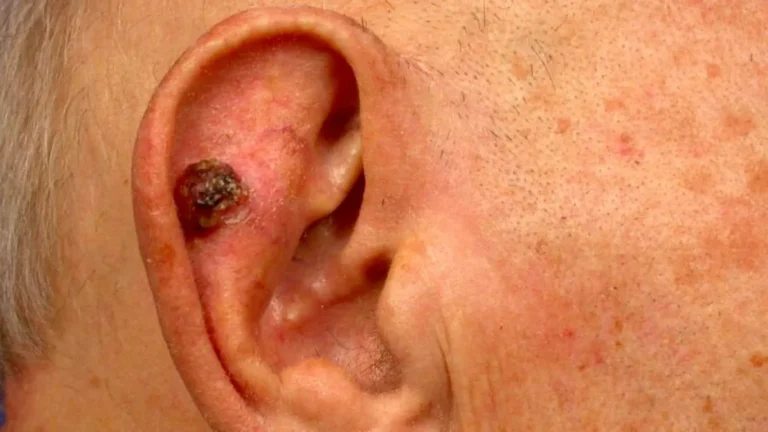
Before you can offer meaningful support, it helps to understand what your loved one is actually going through. Skin cancer patients face a range of fears that are not always visible from the outside. These include anxiety about recurrence, uncertainty over treatment outcomes, concerns about changes to their appearance, and worry about losing independence. Acknowledging these fears openly, without rushing to reassure or fix, is one of the most powerful things you can do.
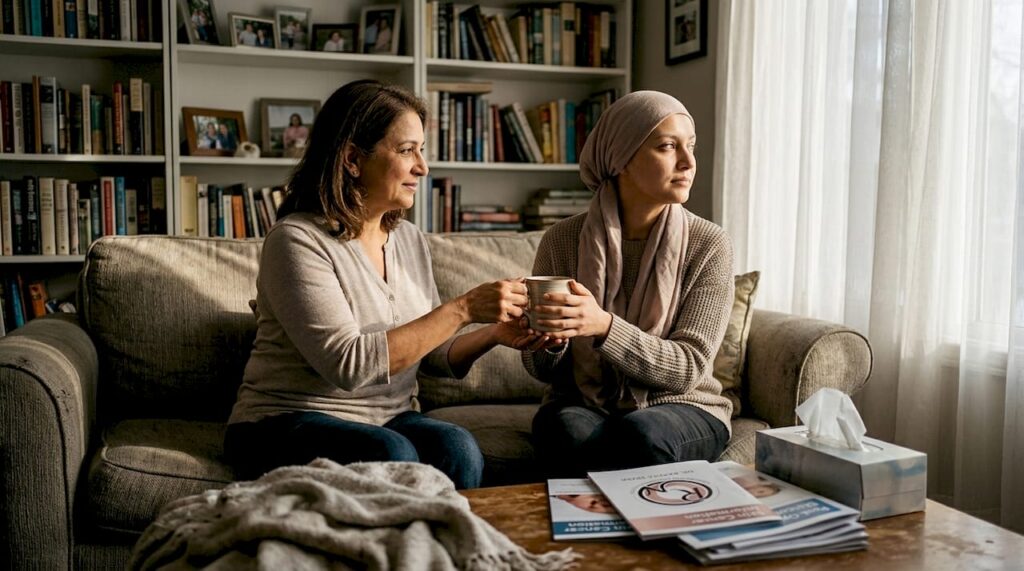
Many well-meaning supporters make the mistake of defaulting to advice or sharing stories of people they know who “got through it just fine.” This is understandable, but it can unintentionally minimise what the patient is feeling. Active listening and empathy matter far more than solutions or comparisons. Simply sitting with someone in their discomfort, without trying to change it, communicates genuine care.
Here are some key principles to guide your emotional support:
- Listen without interrupting. Let the patient lead the conversation and set the tone.
- Validate feelings. Phrases like “That sounds really hard” go further than “At least it was caught early.”
- Ask before advising. Always check whether they want your input before offering it.
- Respect their autonomy. Let them make decisions about their treatment and daily life without pressure.
- Follow their lead on humour. Some patients use humour to cope; others do not. Mirror their approach.
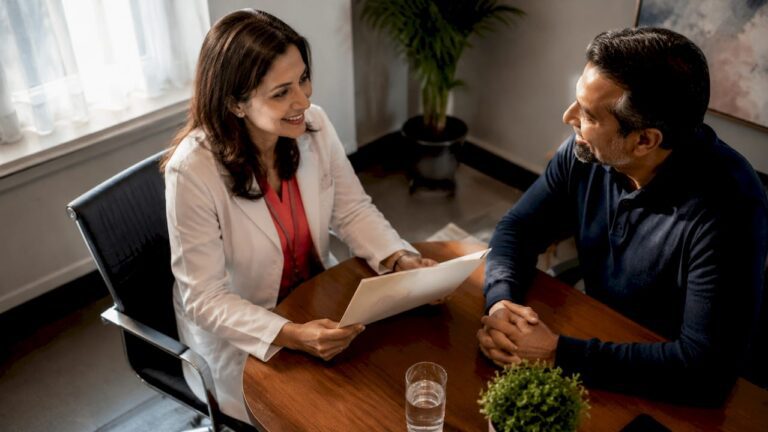
Communication also means being honest about your own limitations. It is perfectly acceptable to say “I don’t know what to say, but I’m here.” Patients often find that kind of honesty more comforting than rehearsed positivity.
“The most supportive thing you can do is be present. You don’t need to have the right words. You just need to show up.”
Understanding where your loved one is in their journey also helps you offer the right kind of support at the right time. Someone newly diagnosed needs different things than someone in active treatment or recovery. If you are unfamiliar with how skin cancer detection and staging works, taking a little time to educate yourself means you can follow conversations more easily and ask better questions.
Practical ways to make daily life easier
Emotional presence matters enormously, but so does practical help. Treatment for skin cancer, particularly surgical procedures, can disrupt daily routines in ways that patients find difficult to ask for help with. Being proactive and specific in your offers is far more effective than saying “Let me know if you need anything.” That open-ended offer, though kind, puts the burden back on the patient.
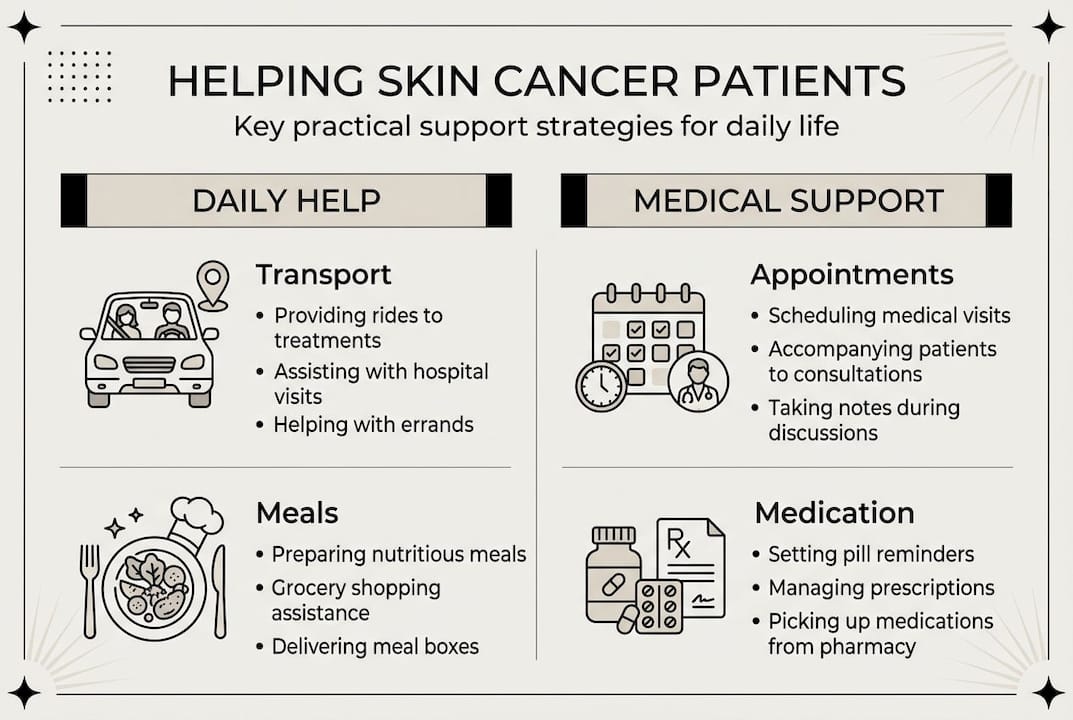
Instead, try offering something concrete. “Can I drive you to your appointment on Thursday?” or “I’m making a batch of soup tonight, shall I drop some round?” are much easier to say yes to. Practical help such as transport, meals, errands, and medication management makes a genuine difference to how patients manage their days.
| Type of support | Example action | Frequency |
|---|---|---|
| Transport | Driving to clinic appointments | As needed |
| Meals | Preparing or delivering food | 2 to 3 times per week |
| Errands | Shopping, collecting prescriptions | Weekly |
| Childcare | School runs, after-school care | During treatment days |
| Medication | Reminders, collecting repeat prescriptions | Daily or as needed |
Here is a simple approach to organising practical help:
- Start a meal train. Use a shared online calendar or a group chat to coordinate who is cooking or delivering food on which days.
- Create a task rota. Assign specific responsibilities to different people so no single supporter becomes overwhelmed.
- Use a coordination app. Tools like shared Google Docs or WhatsApp groups keep everyone informed and reduce duplicated effort.
- Check in regularly. Needs change week to week during treatment, so stay flexible and ask what would help most right now.
- Help with follow-up steps. Post-surgery care can include wound management, and knowing what is involved helps you assist more confidently.
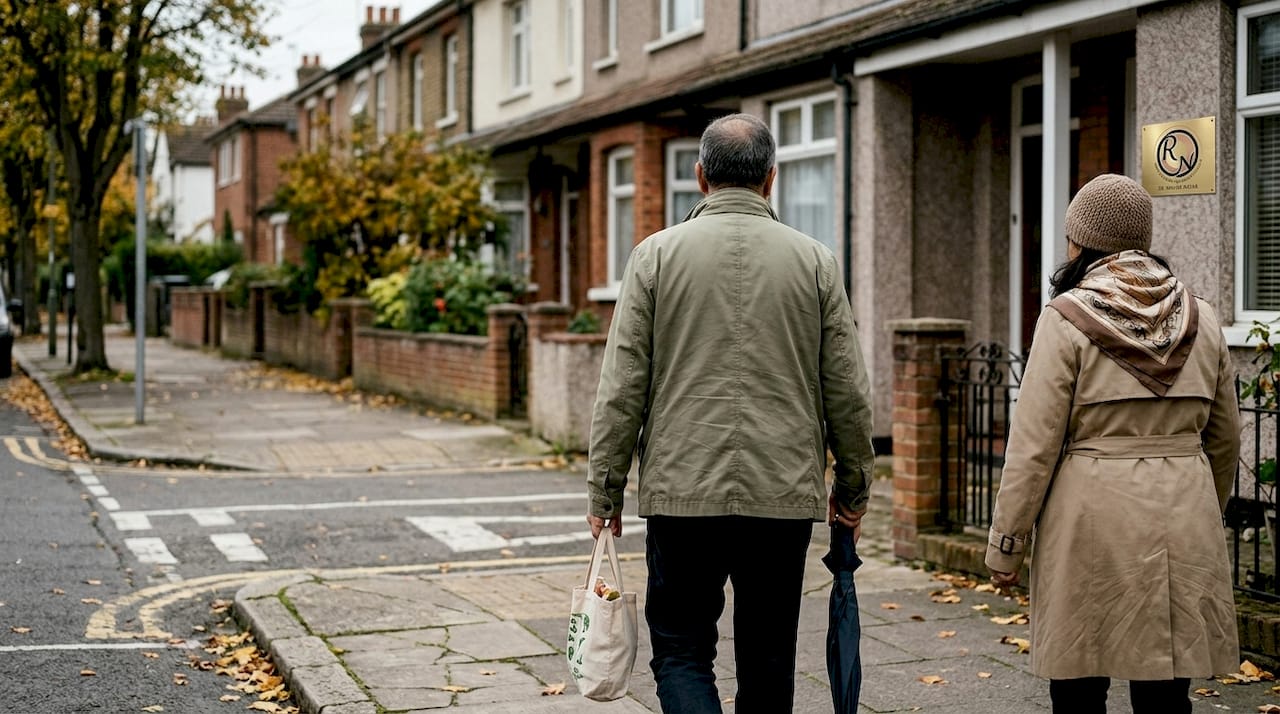
Pro Tip: If your loved one has had surgery on a visible area, they may feel self-conscious about going out. Accompanying them to appointments or errands can reduce that anxiety significantly. You might also look into minimising scarring so you can help them follow aftercare guidance correctly.
For more structured assistance, particularly if needs become more complex, exploring practical support services available in your area can fill gaps that friends and family cannot always cover.
Creating and coordinating a support network
One person cannot do everything, and trying to do so leads to exhaustion. Building a coordinated network of supporters means your loved one receives consistent help without any single person burning out. It also reduces the risk of important tasks falling through the cracks.
The key is to assign clear roles rather than leaving things vague. When everyone assumes someone else is handling something, nothing gets done. Organising roles such as a liaison for updates, record keeper, and daily activities coordinator gives structure to what can otherwise feel chaotic.
Here is a comparison of informal versus structured support approaches:
| Approach | Informal | Structured |
|---|---|---|
| Communication | Ad hoc messages | Regular group updates |
| Task allocation | Whoever remembers | Assigned roles |
| Consistency | Variable | Reliable |
| Stress on patient | Higher | Lower |
| Burnout risk | Higher for individuals | Shared and reduced |
Useful roles within a support network include:
- The liaison. One person who communicates updates to the wider group, so the patient does not have to repeat themselves.
- The record keeper. Someone who tracks appointments, medications, and medical notes.
- The task scheduler. The person who manages the rota and ensures gaps are covered.
- The social connector. Someone who organises visits, calls, or small treats to keep spirits up.
For guidance on building a support network that is sustainable and compassionate, there are excellent resources available online. Regular communication within the group also prevents misunderstandings and ensures everyone stays aligned with what the patient actually needs. If you are navigating a complex surgical journey, reading about support coordination tips can help you understand the medical context better.
Caring for yourself as a supporter
Supporting someone through skin cancer is emotionally demanding work. Many carers and supporters focus entirely on the patient and neglect their own well-being, which is understandable but ultimately unsustainable. If you are running on empty, your support will suffer. Looking after yourself is not selfish. It is essential.
Caregivers should prioritise self-care, share responsibilities, and seek their own support to prevent burnout. This is especially relevant for male carers, who are statistically less likely to ask for help or acknowledge emotional strain.
Warning signs that you may be approaching burnout include:
- Persistent tiredness that sleep does not fix
- Feeling irritable or resentful more often than usual
- Withdrawing from your own social connections
- Neglecting your own health appointments or routines
- Feeling that nothing you do is ever enough
If you recognise these signs, take them seriously. Simple steps can make a real difference. Accept help when it is offered. Keep up with your own medical appointments. Stay connected with friends outside the caring role. Even short breaks from the intensity of supporting someone can restore your capacity to show up well.
“You cannot pour from an empty cup. Protecting your own health is part of protecting theirs.”
A caregiver self-care checklist can be a useful tool for staying on top of your own needs in a structured way. Peer support groups, whether in person or online, are also valuable, particularly for those supporting someone through a longer treatment process.
Pro Tip: Schedule one thing each week that is purely for you. It does not need to be elaborate. A walk, a phone call with a friend, or an hour with a book all count. Consistency matters more than the size of the gesture.
Perspective: Why even small gestures can mean everything
There is a cultural pressure on carers and supporters to do everything perfectly, to be endlessly patient, always available, and perpetually positive. This expectation is not only unrealistic, it is unhelpful. What patients often remember most is not the grand gestures but the small, repeated acts of kindness. Turning up. Sending a message. Dropping off food without being asked.
While there is no strong evidence that family support directly changes clinical outcomes, communication and shared decision-making consistently improve quality of life for patients. That is not a small thing. Quality of life during treatment shapes how patients experience the entire journey, their resilience, their mood, and their sense of being cared for.
The most meaningful support is often the most ordinary. Being someone your loved one can call at 11pm. Sitting with them in silence. Remembering to ask how they are weeks after the initial diagnosis, when the wider world has moved on. Exploring treatment experience insights can also help you understand what your loved one is going through medically, so your support feels informed and grounded.
You do not need to get it right every time. You just need to keep showing up.
Further support and expert resources for every stage
Having covered the emotional and practical dimensions of supporting a loved one through skin cancer, it is worth knowing where to turn for expert guidance.

At mohssurgeon.co.uk, Miss Rakhee Nayar offers specialist expertise in both Mohs micrographic surgery and facial reconstruction, with a focus on achieving excellent outcomes while preserving appearance. Whether your loved one is exploring skin cancer treatment options or considering reconstruction after Mohs surgery, the clinic provides patient-centred care and clear information at every stage. Private and e-consultations are available for UK-based and international patients, making expert support accessible wherever you are.
Frequently asked questions
What are the best ways to give emotional support to a skin cancer patient?
Active listening and empathy matter more than trying to offer solutions, so focus on being present and validating feelings rather than fixing problems.
How can I help with medical appointments?
Accompanying to appointments provides emotional support and practical help, such as taking notes and asking questions the patient may forget under stress.
What practical tasks are most appreciated during treatment?
Practical help including transport, meals, errands, and medication support are consistently among the most valued contributions friends and family can make.
Is it normal to feel overwhelmed as a caregiver or supporter?
Yes, it is very common, and caregivers should prioritise self-care to prevent burnout and remain an effective, sustainable source of support.
Does support from friends and family impact the patient’s recovery?
While it may not alter clinical outcomes directly, support improves quality of life and emotional well-being throughout the skin cancer journey.
Recommended
- Essential follow-up steps after skin cancer treatment
- How to minimise scarring after skin cancer removal
- Skin Cancer Detection – Expert Mohs Surgery | UK
- How to Spot Skin Cancer Symptoms on the Face – Expert Mohs Surgery | UK
- Hospice care for cancer: compassionate support guide 2026 | Graceland Hospice Care Blog
Filed under Recovery and Aftercare