

TL;DR:
- Effective post-surgery care involves keeping wounds clean and dry, managing pain with multimodal methods, and promoting early, gentle movement. Recognizing warning signs like fever, spreading redness, or worsening pain ensures timely medical help. Consistent adherence to these guidelines supports optimal healing and reduces the risk of complications.
Surgery is a significant event for your body, and what you do in the days and weeks afterwards shapes how well you heal. Many patients leave hospital with little more than a leaflet, unsure whether the pain they feel is normal, whether they can shower, or what to eat. Effective post-surgery care tips can make the difference between a smooth recovery and a preventable complication. This guide pulls together evidence-based, practical advice across wound care, pain management, nutrition, activity, and warning signs, so you have a clear and reliable plan from day one.
Key takeaways
| Point | Details |
|---|---|
| Keep wounds clean and dry initially | Use mild soap and water; avoid hydrogen peroxide or alcohol on healing tissue. |
| Manage pain with a multimodal approach | Combining paracetamol, anti-inflammatories, and nerve blocks reduces reliance on opioids. |
| Aim for 25 to 30g of fibre daily | Adequate fibre and hydration prevent constipation, one of the most common post-op complaints. |
| Move gently and early | Short walks within hours or days of surgery cut complication risk and speed gut recovery. |
| Act quickly on warning signs | A fever of 38°C or above, spreading redness, or worsening pain warrant an immediate call to your surgeon. |
1. Essential post-surgery care tips for wound hygiene
Wound care is where most patients feel the least confident, and where small mistakes cause the biggest setbacks. Getting this right from the start protects your incision from infection and sets the foundation for clean, minimal scarring.
The single most important rule is to keep the wound clean and dry in the first 24 to 48 hours. After that, gentle cleaning with mild soap and water is the preferred method. Avoid hydrogen peroxide, iodine, or alcohol-based solutions. These chemicals feel like they should be doing something useful, but they damage the fragile new cells forming at the wound edge and actively slow healing.
When it comes to showering, there is good news for most patients. Surgeons allow brief showers within 24 to 48 hours after surgery when the wound is sealed with waterproof glue or a waterproof dressing. The key word is brief. Stand under running water, let it flow over the site, then pat dry gently. Soaking in a bath, swimming, or sitting in a hot tub is off-limits until your surgeon gives explicit clearance.
For dressings, follow your discharge instructions precisely on when and how to change them. If a drain has been placed, drain emptying every 8 to 12 hours or when the bulb is half-full is standard practice. Record the output each time so you can report changes to your care team.
- Wash hands thoroughly before touching any dressing or wound
- Pat the area dry with a clean, soft cloth rather than rubbing
- Do not apply lotions, oils, or creams unless specifically instructed
- Replace dressings with the exact type your surgeon recommended
Pro Tip: If your dressing gets wet unexpectedly, remove it, gently pat the area dry with a clean cloth, and apply a fresh dressing. Never leave a soggy dressing in place, as trapped moisture is one of the fastest routes to wound infection.
For tailored guidance on skin healing after surgery, including what normal post-operative skin changes look like, Mohssurgeon provides detailed expert resources.
2. How to manage pain after surgery without overdoing opioids
Pain after surgery is expected. The goal is not to eliminate it entirely but to keep it at a manageable level while avoiding the side effects that slow recovery. A multimodal approach, which means combining different types of pain relief, delivers the best results.
Multimodal analgesia reduces opioid-induced gut side effects significantly and promotes a smoother recovery overall. In practice, this means using paracetamol and non-steroidal anti-inflammatory drugs (NSAIDs) like ibuprofen alongside regional nerve blocks where appropriate, reserving opioids for breakthrough pain only.
The opioid concern is serious. When opioid intake exceeds 30mg morphine equivalents in the first 24 hours, the rate of delayed bowel recovery climbs from 18% to 30%. That means your gut essentially stops working, which is painful, prolonged, and sometimes requires further medical intervention. Keeping opioid use low is not about being tough. It is about giving your body a clear path to recovery.
Here is a practical framework for pain management at home:
- Take paracetamol and ibuprofen on a regular schedule for the first 48 to 72 hours rather than waiting until pain becomes severe
- Use ice packs wrapped in a cloth for localised swelling, applying them for 15 to 20 minutes at a time
- Elevate the affected area above heart level when resting to reduce throbbing and inflammation
- Take prescribed opioids only when other options are insufficient, and taper off as soon as you are able
Pro Tip: Try chewing sugar-free gum four times daily in the days after surgery. Research shows that chewing gum shortens bowel recovery time by nearly 1.5 days by stimulating gut motility. It is one of the simplest and most underused tools in post-operative recovery.
3. Nutrition and hydration for healing after surgery
What you eat and drink after surgery is not optional lifestyle advice. It directly affects how quickly your tissues repair, how your immune system performs, and whether your bowels recover on schedule.
Start with fluids. Water, clear broths, and herbal teas should be your first priority in the initial days. Staying well hydrated softens stool, supports kidney function during medication clearance, and helps transport nutrients to healing tissue. Aim for at least 1.5 to 2 litres of fluid daily unless your surgeon has advised fluid restriction.
Fibre is your next focus. Patients should aim for 25 to 30 grams of fibre daily to prevent post-operative constipation. This is achievable through whole grains, fruits, vegetables, and legumes. Gradually reintroduce solid foods as your appetite and digestion allow, rather than forcing large meals too soon.
| Nutritional goal | Food sources | Why it helps recovery |
|---|---|---|
| Adequate protein | Chicken, fish, eggs, lentils | Repairs tissue and supports immune function |
| High fibre intake | Oats, pears, broccoli, beans | Prevents constipation and supports gut motility |
| Vitamin C | Citrus fruits, peppers, strawberries | Promotes collagen production at the wound site |
| Iron | Red meat, spinach, fortified cereals | Replaces blood loss and prevents post-op fatigue |
| Fluid intake | Water, herbal teas, clear broths | Hydrates tissues and aids in medication clearance |
If you have not had a bowel movement within three days of surgery, contact your care team. Constipation after surgery is common but should not be left unmanaged, as it can become painful and interfere with your overall recovery.
4. Safe movement and activities to avoid post-surgery
Rest is important, but so is movement. Many patients assume they should stay in bed as long as possible, and this is one of the most common and costly mistakes in post-operative care.
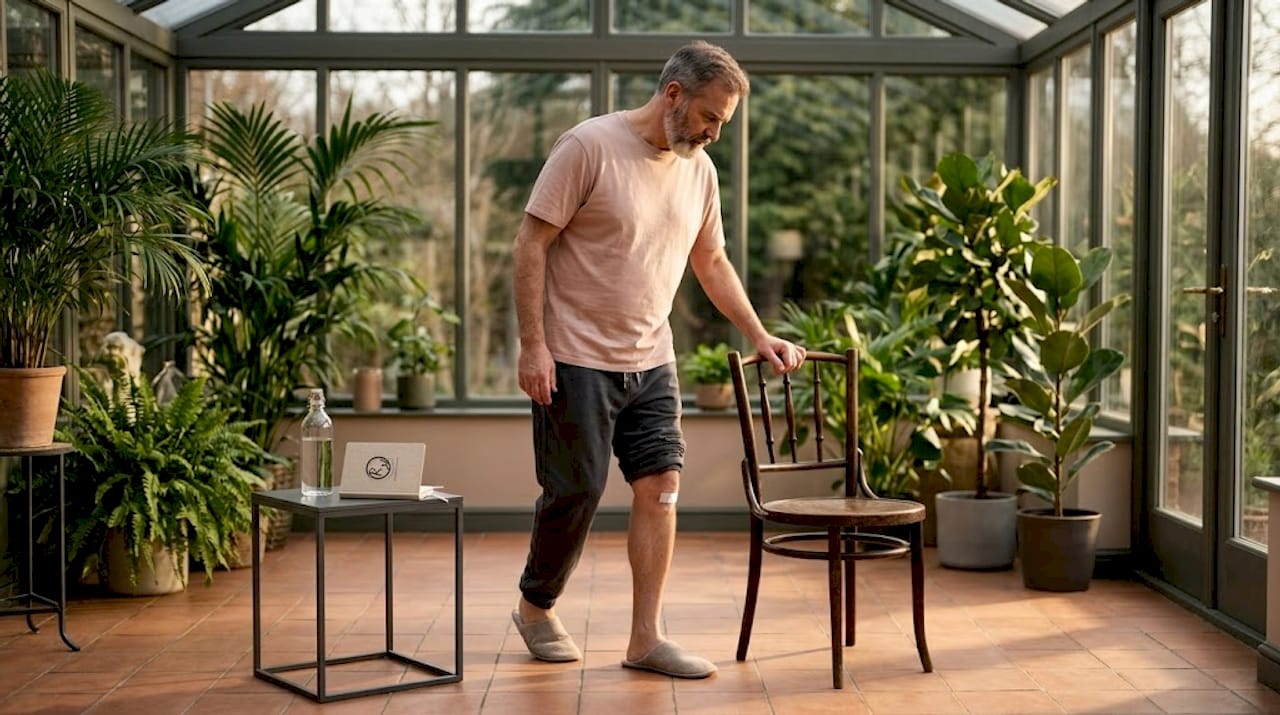
Early mobilisation within hours or days of surgery reduces the risk of blood clots, speeds gut recovery, improves lung function, and lifts mood. Even walking slowly around your living room in the first 24 hours counts. You are not aiming for a workout. You are simply asking your body to stay active enough to maintain circulation.
Here is a structured approach to movement in the first two weeks:
- Days one to two: Short walks of two to five minutes every two to three hours while awake, with support if needed
- Days three to seven: Gradually increase walk duration to ten to fifteen minutes, two to three times daily
- Week two: Extend to twenty to thirty minute gentle walks if tolerated, and introduce very light daily tasks
Activities to avoid include lifting anything heavier than a kettle of water, bending sharply at the waist, driving (particularly while on opioid pain relief), and any high-impact exercise until your surgeon formally clears you.
Pro Tip: Set a quiet alarm on your phone every two hours during the day as a reminder to stand and take a short walk. Patients who mobilise consistently spend less time in recovery and report lower levels of stiffness and discomfort.
Stop any activity immediately and contact your care team if you experience sudden chest pain, shortness of breath, calf swelling, or a marked increase in wound pain during movement.
5. Recognising warning signs and when to seek help
Knowing what is normal and what is not is one of the most valuable pieces of surgery recovery advice you can carry with you. Too many patients delay calling their surgeon because they do not want to be a burden. Surgeons consistently prefer you call early rather than late.
Surgeons prefer patients to call with concerns early to prevent complications from escalating. An early phone call might take two minutes and save a hospital readmission.
Seek medical attention promptly if you notice any of the following:
- A fever of 38°C or above combined with increased redness or foul-smelling discharge from the wound
- Redness or swelling that is spreading beyond the edges of the wound rather than staying localised
- Pain that is getting worse rather than improving beyond the first 48 to 72 hours
- Wound edges that begin to separate or open up
- Any discharge that changes colour, quantity, or smell
Worsening redness or pain signals potential infection and should prompt urgent medical review, not a wait-and-see approach.
“If something feels wrong, it probably is. You know your body better than anyone. Never feel that calling your surgical team is an overreaction. Early evaluation is always the right call.”
For patients who want a clear reference on what to watch for during follow-up after treatment, Mohssurgeon provides structured post-operative guidance tailored to skin cancer surgery patients.
My honest take on post-surgery recovery
I have seen what happens at both ends of the patient behaviour spectrum after surgery. Some people treat every twinge as an emergency. Others push through warning signs until a complication forces their hand. Both approaches get in the way of good recovery.
What I have learned is that the patients who do best are those who take a middle path. They follow wound care instructions consistently without obsessing over every minor crust or slight bruise. They communicate with their surgical team honestly, without either minimising symptoms or catastrophising them.
The single biggest barrier I see is unrealistic expectations about pace. Healing is not linear. You will have days that feel like a step backwards, and that is entirely normal. The mistake is interpreting a rough day as evidence that something has gone wrong, then either resting too much or overdoing activity in an attempt to compensate.
Small daily habits matter far more than dramatic interventions. Taking your medication on schedule, eating something nutritious, standing up for a short walk, and keeping your wound dry. None of it sounds impressive, but done consistently it compounds into measurably better outcomes. Recovery is mostly about showing up for the basics, every single day, until your body has done what it was designed to do.
— Gregg
Expert post-surgery support from Mohssurgeon

Recovering from skin cancer surgery involves more than simply waiting for a wound to heal. It requires expert guidance tailored to the specific procedure, the location of the excision, and your individual healing profile. At Mohssurgeon, Miss Rakhee Nayar brings dual training in plastic surgery and Mohs micrographic surgery to every patient interaction, offering a level of care that supports both medical outcomes and aesthetic results.
Whether you are looking for detailed advice on Mohs surgery treatment or exploring options for skin cancer detection and management, the team at Mohssurgeon provides thorough pre- and post-operative support for patients across the UK and internationally. Reach out to discuss a consultation and make sure your recovery is in expert hands.
FAQ
How do I keep a surgical wound clean at home?
Use mild soap and water to gently clean around the wound, then pat dry with a clean cloth. Avoid hydrogen peroxide, iodine, or alcohol, as these damage healing tissue.
When can I shower after surgery?
Most surgeons allow a brief shower within 24 to 48 hours if the wound is sealed with waterproof glue or a waterproof dressing. Avoid soaking or submerging the wound entirely until your surgeon advises otherwise.
What should I eat to speed up healing after surgery?
Prioritise protein, vitamin C, iron, and adequate fibre. Aim for 25 to 30 grams of fibre daily and drink at least 1.5 to 2 litres of fluid to support tissue repair and prevent constipation.
What are the signs of infection after surgery?
A fever of 38°C or above, spreading redness, increasing pain beyond the first few days, or foul-smelling discharge from the wound are all signs that require prompt medical attention.
Is walking safe in the first days after surgery?
Yes, gentle walking within hours or days of surgery is actively encouraged. Early mobilisation reduces blood clot risk, supports gut recovery, and speeds overall healing. Start with short, slow walks and increase duration gradually.