Specialist Mohs surgery on the ear by Consultant Plastic Surgeon Miss Rakhee Nayar. The repair is planned to keep the shape of your ear, as part of the same procedure.
Women in the UK dual-trained in Mohs and plastic surgery
of 36 patients would recommend Miss Nayar (PHIN, September 2026)

Specialist care for the ear
Specialised Mohs Surgery on the Ear
The ear is one of the more demanding places to treat skin cancer. The skin is thin and sits directly on cartilage, the shape is complex and three-dimensional, and any change in contour is easy to see.
Miss Rakhee Nayar is one of fewer than 10 women in the UK dual-trained in both plastic surgery and Mohs micrographic surgery. She removes the cancer, checks every margin under the microscope and repairs the ear herself, with its natural shape in mind from the start.
A demanding site
Why is Mohs Surgery Used on the Ear?
The ears catch more sun over a lifetime than almost anywhere else on the body, and they are often missed when sunscreen goes on. That makes them a common site for skin cancer. Squamous cell carcinoma is more common here than at most other sites, and basal cell carcinoma also occurs.
The ear is classed as a higher-risk site for skin cancer. The skin over the cartilage is thin, and the folds of the ear make the edges of a cancer harder to judge by eye.
Standard excision removes the cancer with a fixed margin of healthy tissue. On the ear, that extra margin can mean removing cartilage that holds the ear’s shape.
Mohs micrographic surgery removes only the tissue that is actually involved, which is why it is often recommended for this site.
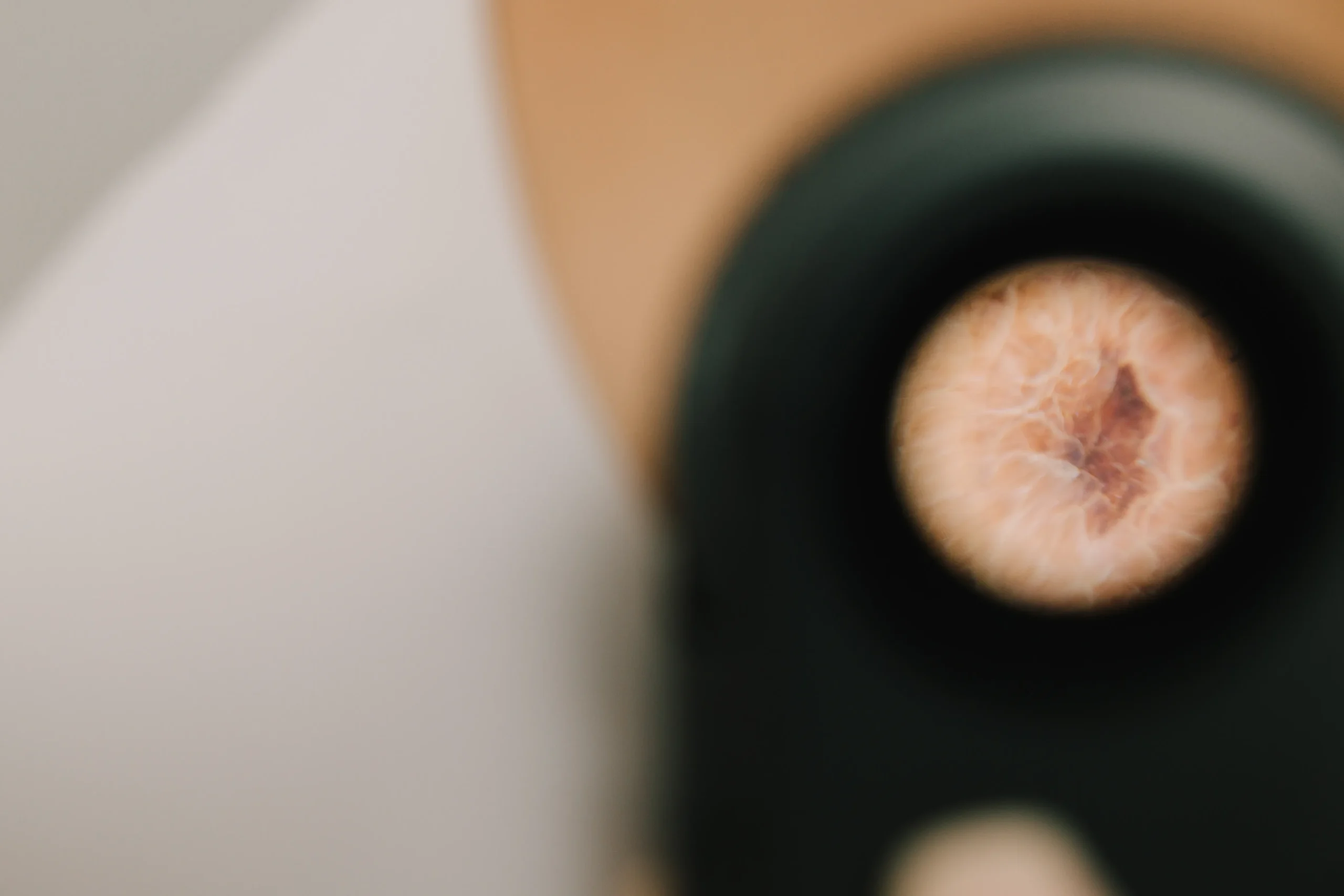
It removes the cancer while keeping as much healthy skin as possible.
Miss Rakhee Nayar removes the cancer layer by layer, checking each one under the microscope while you wait.
Further tissue is taken only where the microscope shows cancer remains, so healthy skin and cartilage are left alone.
A smaller wound is simpler to repair, which makes it easier to keep the natural contour of the ear.
Every margin checked
What Makes Mohs Surgery Suited to the Ear?
Mohs surgery combines removal and microscope checking in one procedure. Each layer is mapped and examined before any more tissue is taken.
With standard excision, the tissue is sent away and the result comes back days later. With Mohs, the margins are confirmed clear before your wound is repaired.

Complete Margin Examination
The whole edge of each layer is examined under the microscope while you wait, so the result is known before the repair begins.
Tissue Sparing
Only the tissue that contains cancer is removed, preserving the skin and cartilage that give the ear its shape.
Repair on the Same Day
Once the margins are clear, the ear is usually repaired in the same visit, so you leave with the reconstruction complete.
Contour Protected
A smaller wound means a simpler repair, planned to keep the folds and outline of the ear.
Clinical background
Why Choose Miss Rakhee Nayar for Ear Skin Cancer?
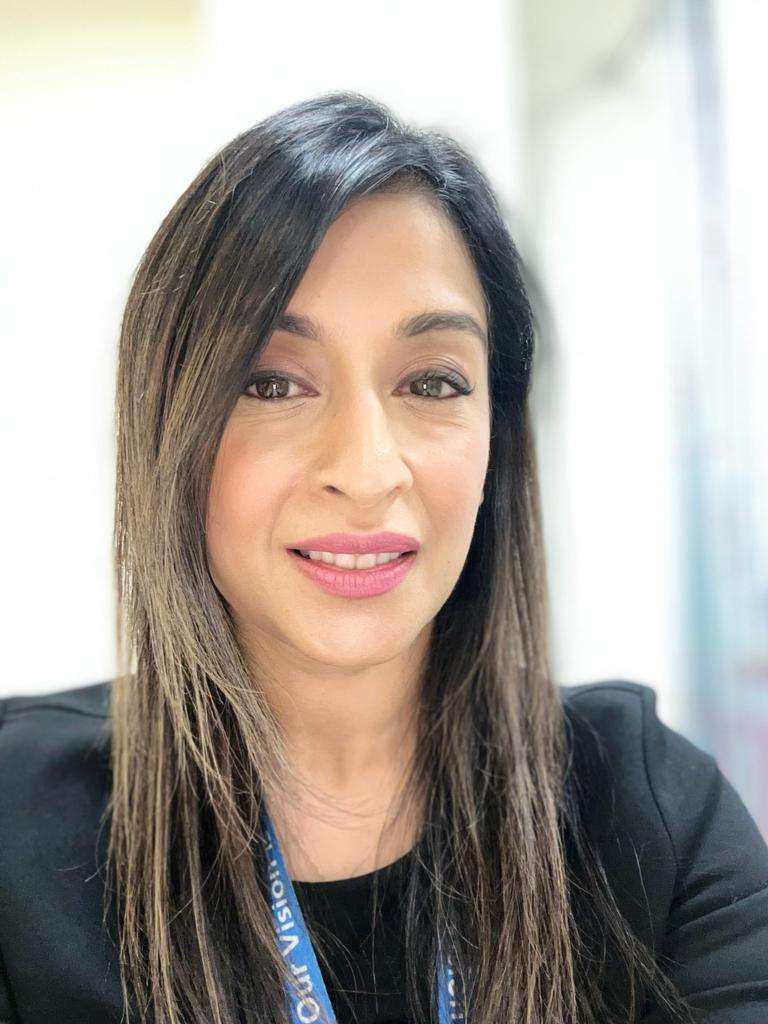
Who treats a skin cancer on your ear matters for how the ear looks afterwards. With over 20 years of surgical experience, Miss Rakhee Nayar brings training in both skin cancer surgery and plastic surgery to the same operation.
Reconstructive Training
Miss Nayar is one of fewer than 10 women in the UK dual-trained in both plastic surgery and Mohs micrographic surgery.
On the ear, that matters. Reconstruction may involve moving skin from behind the ear, a skin graft or, for larger wounds, a repair in stages. Planning the repair is part of the same consultation as planning the cancer removal.
The Dual-Specialist Advantage
This combination means the person who removes your cancer is the same person who plans and carries out the repair. Miss Nayar is accredited as both a Consultant Plastic Surgeon and a Mohs surgeon.
- Cancer removal with every margin checked
- Repair planned around the shape of the ear
- One consultant from consultation to follow-up
- Plastic surgery training (FRCS Plast)
Training and Appointments
Miss Nayar is a Consultant Plastic Surgeon at Mersey and West Lancashire Teaching Hospitals NHS Trust, and sees private patients at Fairfield Independent Hospital and Circle Cheshire Clinic.
- She chairs the Mohs Surgery Training Interface Group (JCST), the national committee for Mohs fellowship training in the UK.
- She holds an MBChB with Honours and an MD from the School of Cancer Studies at the University of Liverpool.
- She is a Fellow of the Royal College of Surgeons of Edinburgh (FRCS Plast) and holds the European Board of Hand Surgery Diploma (EBHS).
- She is an active member of the British Association of Plastic, Reconstructive and Aesthetic Surgeons (BAPRAS) and the British Medical Association.
Specialised care
Ear Conditions and Locations Treated
Basal Cell Carcinoma (BCC)
Squamous Cell Carcinoma (SCC)
The Rim of the Ear (Helix)
The Bowl of the Ear (Concha)
Behind the Ear and the Earlobe
Request an e-Consultation
Miss Nayar offers a convenient e-Consultation service for patients seeking a specialist opinion from across the UK and overseas. This secure digital pathway enables remote assessment of skin lesions and concerns, providing a prompt clinical recommendation.
It is an ideal first step for those considering Mohs surgery or reconstruction before travelling for an in-person appointment.
State-of-the-art technique
Mohs Surgery on the Ear Procedure
Many patients ask whether the procedure will be uncomfortable. Miss Rakhee Nayar uses a gentle, step-by-step approach so you stay comfortable and know what is happening throughout.
Years of surgical experience

Will I feel any pain? The ear is numbed with local anaesthetic, so you stay awake but should not feel pain during removal or repair.
The anaesthetic is given slowly to keep it as comfortable as possible, and it can be topped up at any stage if you feel anything.
Once the skin is numb, the visible cancer is removed with a thin layer of surrounding tissue, which is mapped and sent to the laboratory on site.
While you wait, the tissue is processed and examined under the microscope to check whether any cancer remains at the edges.
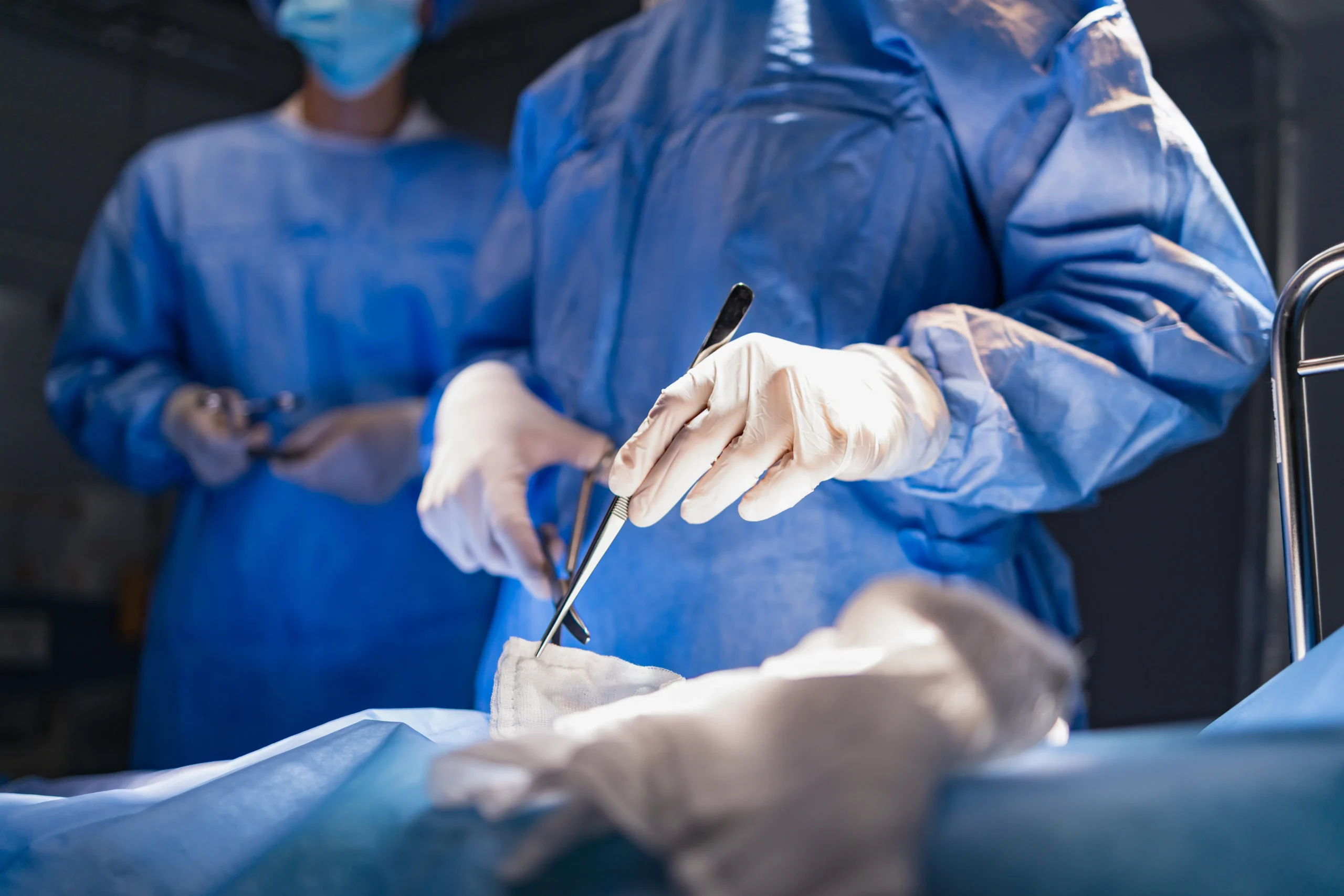
Each stage is explained as it happens, and the repair begins only once the margins are confirmed clear.
Protecting shape and appearance
Reconstructive Procedure after Mohs Surgery on the Ear
Removing the cancer is the first goal. The second is a repair that keeps the shape of your ear. Miss Rakhee Nayar chooses the repair to suit the size and depth of the wound and where it sits on the ear.
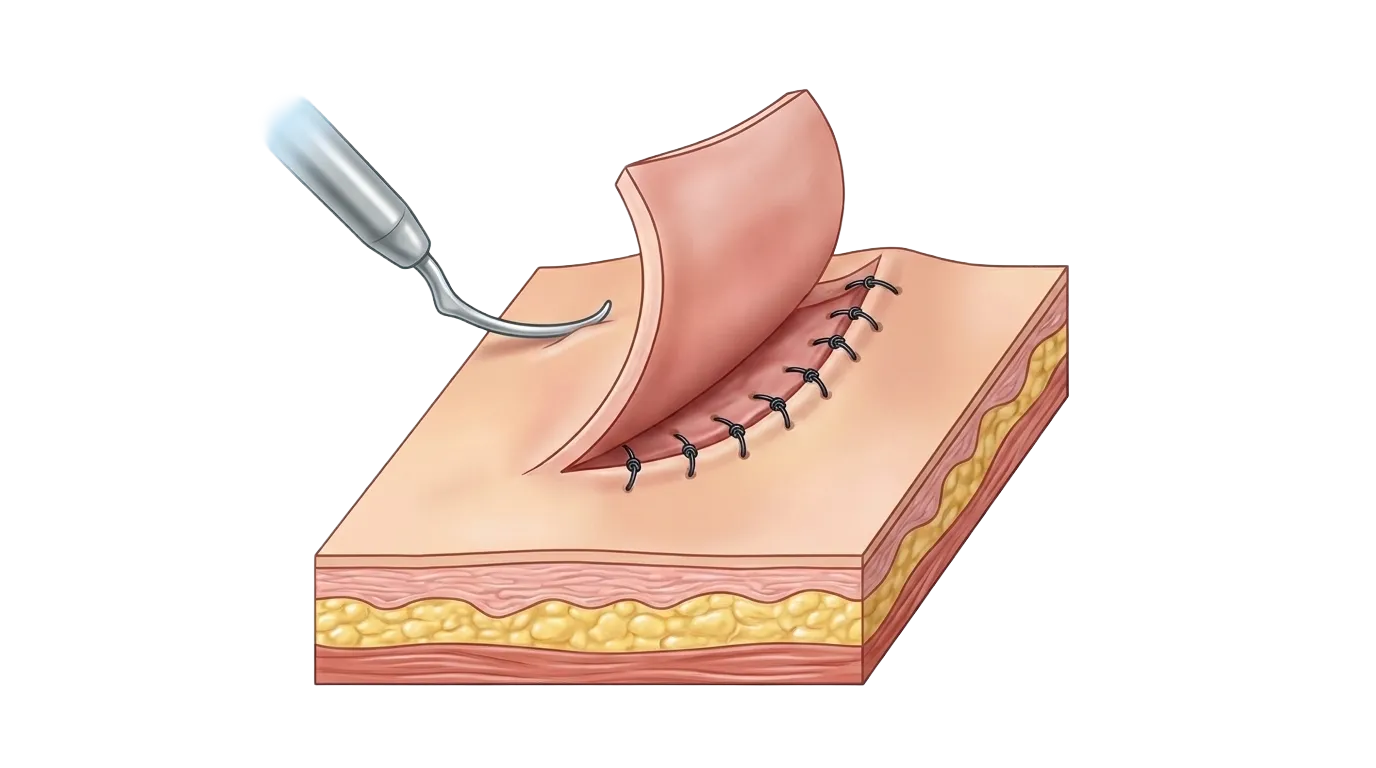
Direct Closure
Small wounds can often be closed with a neat line of stitches, or with a small wedge repair on the rim of the ear.
Skin Grafts
Where the cartilage is intact but there is not enough loose skin, a thin piece of skin, often from behind the ear, is placed over the wound.
Local Flaps
Skin from behind or around the ear can be moved across to cover the wound while keeping its own blood supply.
Staged Repairs
Larger wounds may need a repair in two stages a few weeks apart. If this is likely, Miss Nayar explains each stage before you decide.
Getting back to normal
Recovery and Long-Term Results
Once the cancer has been removed and the area repaired, the focus moves to healing. Miss Rakhee Nayar gives you a clear aftercare plan and sees you again to check the repair.
- Most people are back to normal routines within a few days.
- Sleeping on the other side for the first week or two keeps pressure off the repair.
- Stitches usually come out within two weeks, and bruising and swelling settle over the same period.
- If you wear glasses or a hearing aid on that side, mention it at consultation so the dressing can be planned around it.
- Surgery on the skin of the outer ear does not affect hearing. It involves the skin and, where needed, the cartilage, not the ear canal.
- Larger repairs can feel firm for some months before they soften. Protect the ear from the sun while the scar matures.
In Patients' Words
Patients Feedback


What Our Patients Say
Concerned About Skin Cancer?
Book a Specialist Assessment
Early assessment usually means a smaller operation and a simpler repair. Contact Miss Rakhee Nayar’s clinic for an assessment by a consultant dual-trained in Mohs and plastic surgery.
or Call Us Now
07740 306144
Circle cheshire Clinic
The Courtyard, Hall Ln, Wincham, Northwich CW9 6DG, United Kingdom
07740 306144
contact@mohssurgeon.co.uk
Schedule Your Visit
Where to See Miss Nayar
Miss Rakhee Nayar provides specialist Mohs and reconstructive surgery at Circle Health Cheshire Clinic. This modern, private facility offers expert care in a discreet environment for patients across Cheshire and the North West.


Frequently Asked Questions
We're Always Here to Help You
Will it affect my hearing?
No. Surgery on the skin of the outer ear does not affect hearing. If a cancer sits close to the entrance of the ear canal, Miss Nayar will explain what that means for the operation before anything is decided.
Can I wear my glasses or hearing aid?
Pressure on a healing wound is the main thing to avoid. Mention glasses or a hearing aid at consultation so the dressing and repair can be planned around them, and you know in advance how long you might need to manage without.
Will my ear look different afterwards?
The aim of reconstruction is to keep the shape and contour of the ear. Small wounds often heal with little more than a fine line. Larger repairs take longer to settle, and Miss Nayar will show you what to expect for your ear before you decide.
Will I be awake for the surgery?
Yes. The procedure is carried out under local anaesthetic, so you stay awake and can talk to the team throughout. It also avoids the need for a general anaesthetic.
How long will the surgery take?
It depends on how many layers are needed, which cannot be known in advance. Plan to be at the clinic for at least half a day. Larger or more complex cancers can take longer.
Will Mohs reconstruction leave a scar?
All surgery leaves a scar. Miss Nayar’s plastic surgery training shapes the repair: she places scars in the natural folds of the ear and behind it where possible, so they settle well over time.