
What Is Dermoscopy and When Is It Used to Check a Lesion?

Key takeaways A dermatoscope is a handheld magnifying, illuminating device that lets a clinician see structures beneath the visible surface of a mole, invisible to the naked eye Dermoscopy meaningfully improves diagnostic accuracy compared with a visual check alone, and reduces the number of unnecessary biopsies It is a triage and assessment tool, not a […]
Bowen’s Disease (SCC in Situ): What It Is and How It’s Treated
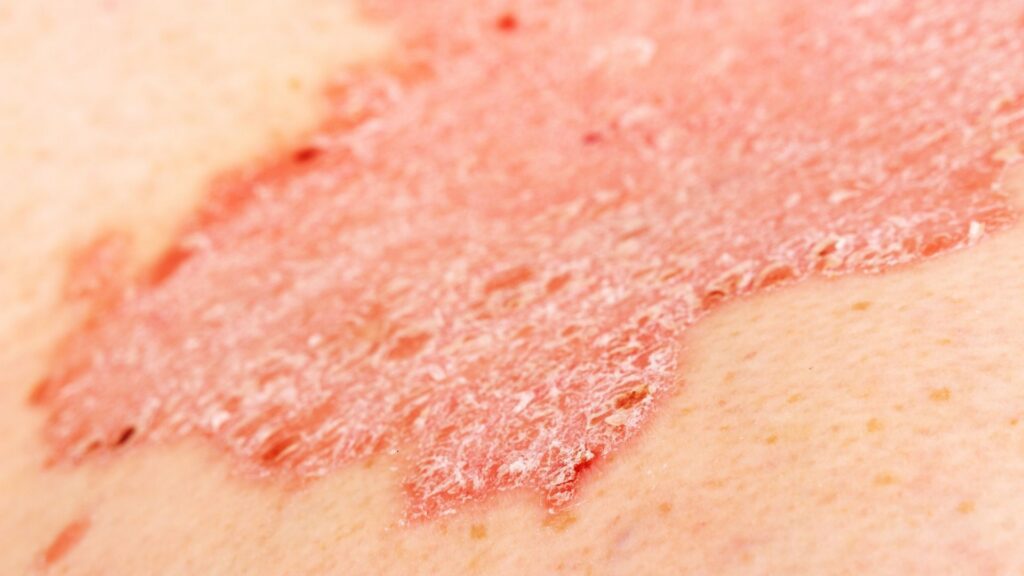
Key takeaways Bowen’s disease is squamous cell carcinoma in situ, meaning the abnormal cells are confined to the outermost layer of skin and have not invaded deeper tissue It usually appears as a slow-growing, persistent, scaly or crusted red patch, classically on the lower legs Left untreated, a minority of cases progress to invasive squamous […]
Actinic Keratosis vs Skin Cancer: How to Tell the Difference
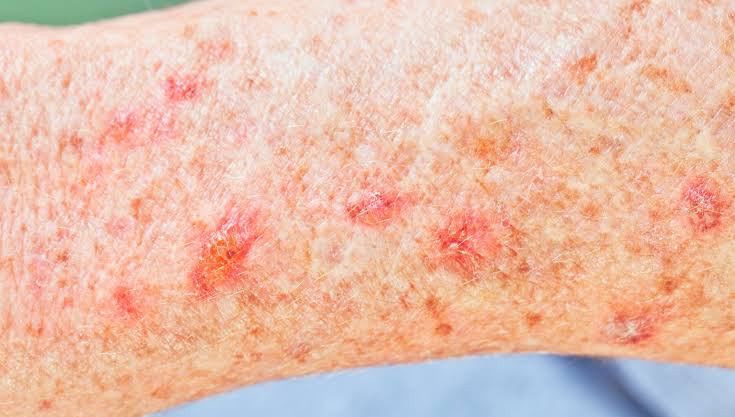
A rough, scaly patch on sun-exposed skin is one of the most common reasons patients book a skin check, and one of the hardest things for a non-specialist to judge from a mirror. Most of these patches turn out to be actinic keratosis, a common and usually harmless sign of sun damage. A minority are […]
What Age Are Patients Typically Diagnosed With Skin Cancer? Risk Factors by Decade
Most skin cancer is diagnosed later in life, and the honest reason isn’t really about getting older. It’s about sun exposure that happened decades earlier finally catching up. Cancer Research UK’s incidence statistics show that nearly half of all non-melanoma skin cancers in the UK are diagnosed in people aged 75 and over, and the […]
Melanoma in situ: what it means and how it’s treated
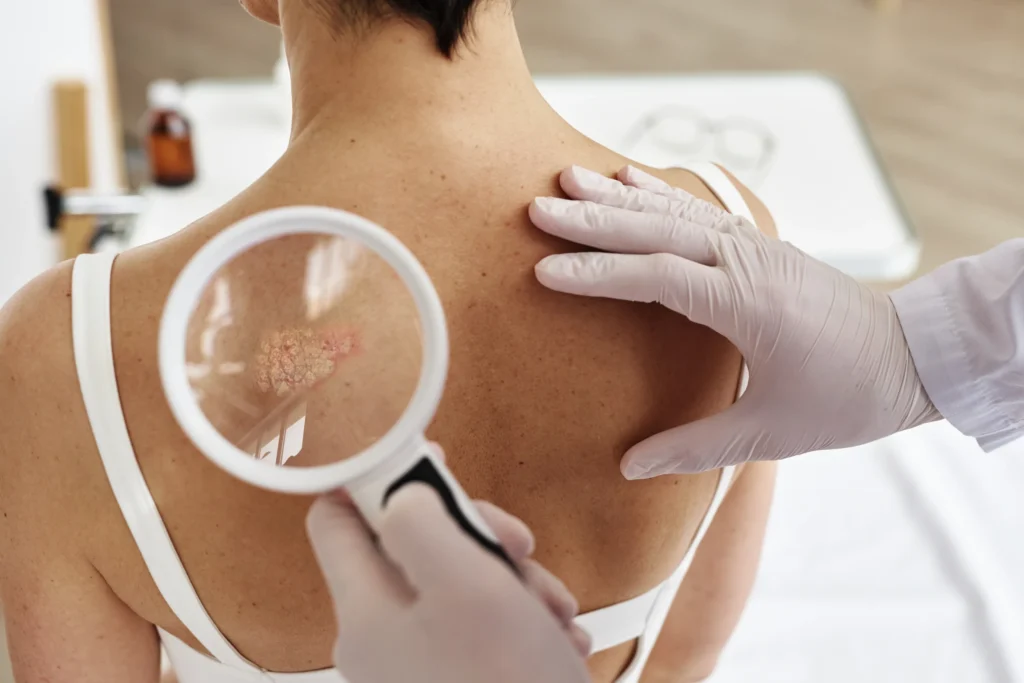
Discover what is melanoma in situ, its causes, early detection, and effective treatment options. Empower yourself with essential knowledge.
Melanoma spots: what they look like and when to act
Learn to identify melanoma spots early for better treatment outcomes. Understand their appearance and when to seek expert help.
Sun protection and skin cancer prevention: your guide
Discover the crucial role of sun protection in skin cancer prevention. Learn effective strategies to safeguard your skin and reduce cancer risk.
Cysts on head: causes, symptoms and treatment

Discover the causes, symptoms, and treatment options for cysts on head. Get expert insights and when to seek professional advice.
Skin cancer in the scalp: symptoms, diagnosis & treatment
Skin cancer on the scalp: the signs to look for under the hair, who is most at risk, how it is diagnosed and the treatment options for BCC and SCC.
Why skin cancer rates are rising: what you need to know
Discover why skin cancer rates are rising and learn critical insights on prevention and detection. Don’t miss out on essential knowledge!
High-risk skin cancer: Expert treatment guide for UK patients
What high-risk skin cancer means, how BCC and SCC are classified in the UK, and why Mohs surgery is used for complex cases.