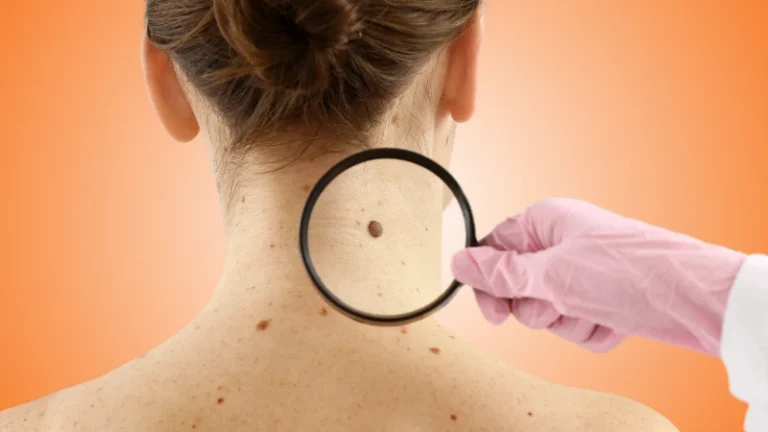
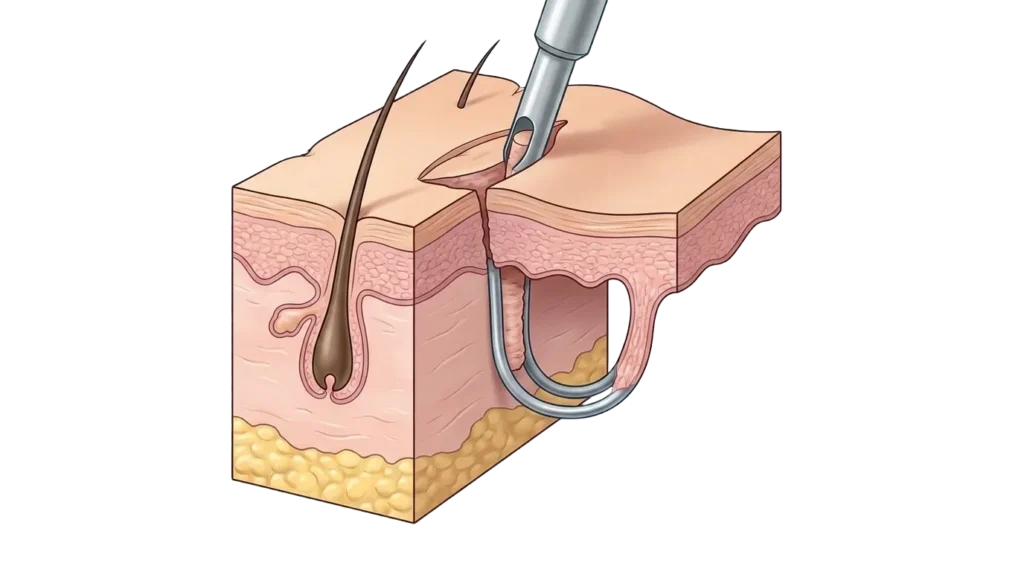
Preparing for facial reconstructive surgery is a structured process that requires physical, mental, and logistical readiness well before your procedure date. Facial reconstructive surgery, the clinical term used by BAPRAS and NHS surgical teams, encompasses procedures that restore form and function to the face following skin cancer removal, trauma, or tissue loss. The steps you take in the weeks before your operation directly affect tissue healing, complication rates, and your final aesthetic result. This guide draws on current surgical protocols and the clinical experience of Rakhee Nayar – Mohs Surgeon and Skin Specialist to help you prepare thoroughly and recover with confidence.
What are the essential health steps to take 4–6 weeks before surgery?
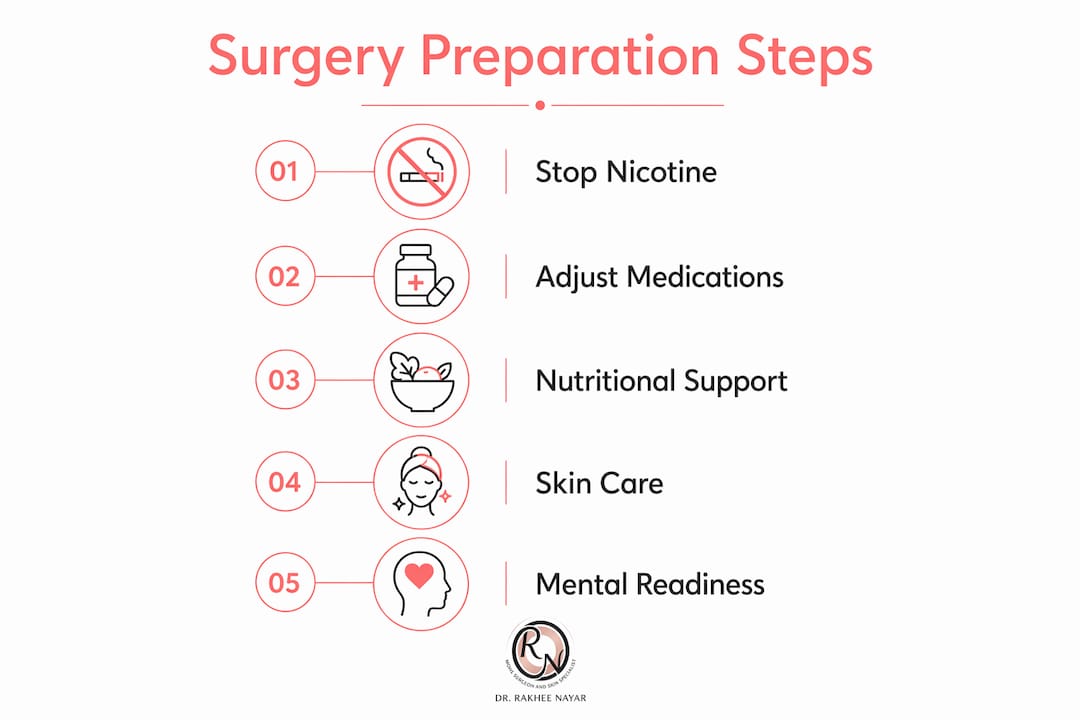
Preparation should begin at least 4–6 weeks before your surgery date. This window gives your body time to clear nicotine, stabilise nutritional status, and complete any required medical assessments. Skipping this phase is the single most common reason patients experience delayed wound healing or increased bleeding risk.
Stopping nicotine and blood thinners
Nicotine constricts blood vessels and significantly reduces oxygen delivery to healing tissue. Cease all nicotine at least 4–6 weeks before your procedure. This applies to cigarettes, patches, vaping, and nicotine gum. Blood thinners, including prescribed anticoagulants such as warfarin and aspirin, should be paused approximately 2 weeks before surgery under your GP’s supervision.
Patients frequently overlook over-the-counter supplements. Fish oil and Vitamin E both increase bleeding risk and must be stopped 14 days before surgery. This applies equally to high-dose garlic capsules and St John’s Wort. Bring a full list of every supplement and medication to your preoperative consultation so your surgical team can review it.
Nutritional optimisation
A protein-rich diet supports tissue repair and reduces the risk of wound breakdown. Aim for adequate intake of lean meat, fish, eggs, legumes, and dairy in the weeks leading up to surgery. Vitamin C from fresh fruit and vegetables supports collagen synthesis, which is central to scar maturation after facial reconstructive procedures.
Staying well hydrated improves skin elasticity and supports anaesthetic safety. Alcohol should be avoided for at least one week before surgery, as it dehydrates tissue and interferes with clotting.
Preoperative medical clearance and imaging
Your surgical team will request a preoperative medical assessment, particularly if you have cardiovascular disease, diabetes, or are taking immunosuppressant medication. Interdisciplinary assessment with internal medicine specialists improves flap viability and reduces postoperative complications. Do not delay this appointment.
Virtual surgical planning using CT or CBCT imaging is now standard for complex facial reconstruction. These scans, taken 4–6 weeks before surgery, allow your surgeon to plan tissue movement with millimetre accuracy. Miss Nayar uses this technology to anticipate the aesthetic outcome before a single incision is made.
Pre-surgery checklist (4–6 weeks out):
- Stop all nicotine products
- Discuss blood thinners and anticoagulants with your GP
- Stop fish oil, Vitamin E, garlic supplements, and St John’s Wort
- Attend preoperative medical clearance appointment
- Complete any required CT or CBCT imaging
- Begin a protein-rich, nutrient-dense diet
- Reduce alcohol intake and increase daily water consumption
Pro Tip: Ask your surgical team for a written medication and supplement review form at your first consultation. Completing it at home, where you can check every bottle in your cupboard, is far more accurate than recalling from memory in clinic.
How should you prepare your skin and mental state before surgery?
Physical health is only part of the equation. Mental preparation through relaxation techniques and realistic expectation management reduces both pre-surgical anxiety and postoperative distress. Patients who understand what healing looks like week by week report significantly less psychological difficulty during recovery.
Skin preparation in the weeks before surgery
A targeted skin care routine in the months before surgery improves tissue quality and supports wound healing. The goal is not cosmetic improvement. It is to present your surgeon with well-hydrated, sun-protected skin that heals predictably.
- Avoid direct sun exposure to the surgical area for at least 6 weeks before your procedure
- Use a broad-spectrum SPF 50 sunscreen daily, even in winter
- Keep the skin well moisturised with a fragrance-free emollient
- Avoid retinoids, chemical exfoliants, and active acids for 2 weeks before surgery, as these thin the skin barrier
- Do not have any laser treatments, microneedling, or chemical peels within 4 weeks of your procedure date
For patients whose reconstruction follows Mohs micrographic surgery, skin health strategies before and after the procedure directly influence scar quality and tissue resilience.
Managing expectations and mental readiness
Facial surgery affects appearance in ways that are visible to others, which makes the psychological dimension distinct from most other surgical procedures. Patients benefit from understanding that swelling and bruising are not signs of a poor result. They are normal stages of healing.
Relaxation techniques such as guided breathing, progressive muscle relaxation, and mindfulness meditation reduce cortisol levels, which in turn supports immune function and tissue repair. Speak openly with your surgical team about any anxiety. Miss Nayar’s practice at Rakhee Nayar – Mohs Surgeon and Skin Specialist includes preoperative consultations specifically designed to address patient concerns and set realistic recovery expectations.
Pro Tip: Write down three specific concerns about your recovery before your preoperative appointment. Surgeons address vague anxiety less effectively than concrete questions. Specific questions get specific answers.
What practical steps ensure a smooth surgery day?
The 24 hours before surgery require careful attention to fasting, clothing, transport, and your home recovery setup. Overlooking any of these details adds avoidable stress on the day.
Fasting and medication on the day
Follow your anaesthetic team’s fasting instructions exactly. For general anaesthesia, this typically means no food or milk from midnight and clear fluids permitted until 2 hours before your admission time. For local anaesthesia with sedation, your team will provide specific guidance.
Important: Do not take any blood-thinning medications or supplements on the morning of surgery unless your surgical team has explicitly confirmed this is safe. If in doubt, contact the clinic directly before taking anything.
Take any medications your team has confirmed as safe with a small sip of water only. Bring your full medication list to the hospital or clinic on the day.
What to bring and wear
On the day of surgery, prepare the following:
- Loose, comfortable clothing that fastens at the front or back. Avoid anything pulled over the head.
- Your medication list and any preoperative paperwork from your surgical team.
- A responsible adult to drive you home and stay with you for the first 24 hours.
- Pre-filled prescriptions for postoperative pain relief and antibiotics, if issued in advance.
- Glasses rather than contact lenses, which cannot be worn during surgery.
Setting up your recovery space at home
A structured recovery space at home reduces postoperative stress and supports healing. Set this up before your surgery date, not after. You will not feel like organising your home when you return from the clinic.
Key items to prepare in advance include a wedge pillow or two to three standard pillows to keep your head elevated, a supply of soft foods such as soup, yoghurt, and scrambled eggs, a cool-mist humidifier if your home is dry, and easy access to your prescribed medications. Keep your phone charger, reading material, and any entertainment within reach so you are not bending or stretching unnecessarily in the first days after surgery.
What should you expect during the recovery timeline?
Recovery from facial reconstructive surgery follows a broadly predictable pattern, though individual variation is significant. Understanding the stages helps you distinguish normal healing from signs that warrant medical attention.
Recovery milestones: a typical timeline
| Week | What to expect | What to do |
|---|---|---|
| Week 1 | Bruising most visible; swelling peaks around days 2–3 | Keep head elevated; take prescribed medication; rest |
| Weeks 1–2 | Bruising begins to improve; swelling gradually reduces | Gentle wound care as directed; avoid strenuous activity |
| Weeks 2–4 | Most patients feel comfortable being seen by strangers | Short outings acceptable; continue sun protection over wound |
| Weeks 4–8 | Swelling continues to resolve; tissue settles | Follow-up appointments; scar management begins if advised |
| Weeks 6–8+ | Final tissue settling and aesthetic outcome becomes clearer | Continue SPF; attend all follow-up appointments |
Supporting healing through the recovery period
Head elevation is the single most effective measure for reducing postoperative swelling. Sleep with your head raised on a wedge pillow for at least the first two weeks. Avoid bending forward from the waist, as this increases pressure to the face.
Patients typically feel confident enough to appear in public after approximately 6–8 weeks. This psychological milestone matters. Plan your diary accordingly and avoid scheduling important social or professional commitments in the first 6 weeks after surgery.
For detailed guidance on wound management during recovery, the facial surgery wound care guide from Rakhee Nayar – Mohs Surgeon and Skin Specialist covers dressing changes, signs of infection, and when to seek advice.
Signs that require prompt medical attention:
- Increasing rather than decreasing pain after day 3
- Redness, warmth, or discharge from the wound
- Fever above 38°C
- Sudden increase in swelling after initial improvement
- Any change in sensation or movement that concerns you
Contact your surgical team directly if any of these occur. Do not wait for a scheduled appointment.
Key takeaways
Thorough preparation for facial reconstructive surgery, beginning at least 4–6 weeks before the procedure, directly reduces complication risk and supports better aesthetic outcomes.
| Point | Details |
|---|---|
| Start preparation early | Begin lifestyle and medical changes at least 4–6 weeks before your surgery date. |
| Stop nicotine and supplements | Cease all nicotine and blood-thinning supplements, including fish oil and Vitamin E, 2–4 weeks before surgery. |
| Prepare your recovery space | Set up head elevation, soft foods, and prescriptions at home before your surgery date. |
| Understand the healing timeline | Bruising and swelling resolve over 6–8 weeks; final aesthetic results take longer to appear. |
| Communicate with your surgical team | Report all medications, supplements, and concerns at your preoperative consultation without exception. |
Specialist facial reconstructive care at Rakhee Nayar – Mohs Surgeon and Skin Specialist
Rakhee Nayar – Mohs Surgeon and Skin Specialist offers consultant-led facial reconstructive surgery at Circle Cheshire, North West England, with private consultations and e-consultations available for UK and international patients. Miss Nayar’s dual training in Mohs micrographic surgery and plastic surgery means that cancer clearance and aesthetic reconstruction are planned together from the outset, not as separate steps.
If you are approaching a skin cancer diagnosis or have already been advised to consider reconstruction, a preoperative consultation with Miss Nayar provides a personalised preparation plan, imaging review, and a clear picture of your expected outcome. Visit the facial reconstruction surgery page to learn more about the procedures available and to request a consultation. This article does not constitute medical advice. Consult a GMC-registered specialist for guidance specific to your situation.
FAQ
How far in advance should I prepare for facial reconstructive surgery?
Begin preparation at least 4–6 weeks before your surgery date. This allows time to stop nicotine, adjust medications, complete imaging, and attend preoperative medical clearance.
Which supplements must I stop before facial surgery?
Fish oil, Vitamin E, high-dose garlic, and St John’s Wort all increase bleeding risk and should be stopped 14 days before surgery. Inform your surgical team of every supplement you take, not just prescribed medications.
How long does swelling last after facial reconstructive surgery?
Swelling peaks in the first 2–3 days and gradually reduces over 6–8 weeks. Final tissue settling and the clearest view of your aesthetic result may take several months.
When will I feel comfortable going out in public after surgery?
Most patients feel comfortable being seen by strangers at approximately 2 weeks post-surgery. Full public confidence, including professional and social settings, typically returns after 6–8 weeks.
Can I have a consultation with Miss Nayar before deciding on surgery?
Yes. Rakhee Nayar – Mohs Surgeon and Skin Specialist offers both in-person and e-consultations. A preoperative consultation covers your diagnosis, surgical options, preparation requirements, and expected recovery timeline before any commitment to proceed.
Recommended
- How to care for facial surgery wounds: your 2026 guide
- Facial reconstructive surgery types for better outcomes
- Facial Mohs surgery recovery: your complete workflow
- Aesthetic surgery after cancer: options and expert insights
Filed under Facial Reconstruction