Key Takeaways:
- A first visit is a conversation and an examination, not an instant verdict. Most consultations run somewhere between 30 and 60 minutes.
- Expect a full history and a magnified skin check using a handheld dermatoscope, and possibly a discussion about biopsy, rather than a diagnosis on the spot.
- UK outpatient standards expect patients to be genuinely included in decisions about their own care. An audit of dermatology departments found this happens in around 90% of cases, so a real back-and-forth conversation is the norm, not a bonus.
- Preparation matters more than most patients expect. A medication list, photos of how the lesion has changed, and a written list of questions shape how useful the visit turns out to be.
A first visit to a skin cancer clinic isn’t a single dramatic moment where a verdict is delivered. It’s closer to a detailed conversation with an examination built into the middle of it, and for most patients, considerably less intimidating in practice than it sounds beforehand.
Knowing roughly what happens, in what order, and what’s genuinely expected of you makes the whole thing far easier to walk into.
Before you arrive: what actually helps
A little preparation changes how useful a first consultation turns out to be. Worth bringing or having ready:
- Any referral letter, previous biopsy results, or GP notes you’ve been given
- A current medication list, including anything over-the-counter and any blood thinners
- Photos of the lesion taken over recent weeks or months, if you have them, since visible change over time is genuinely useful clinical information
- A written list of your own questions, it’s easy to forget them once you’re in the room
Loose, comfortable clothing that gives easy access to the area of concern is worth choosing too, particularly if the lesion isn’t on an easily reached part of the body.
Check-in and taking your history
The appointment typically opens with a conversation rather than an examination. Expect questions about when you first noticed the lesion, whether it’s changed in size, shape or colour, whether it bleeds, itches or fails to heal, and about your wider history, previous skin cancers, family history, and how much sun exposure or sunbed use you’ve had over the years.
None of this is small talk. Each answer genuinely shapes what happens next and how the lesion gets assessed, which is part of why arriving with clear answers ready, rather than trying to recall dates on the spot, makes the conversation flow better.
The physical examination
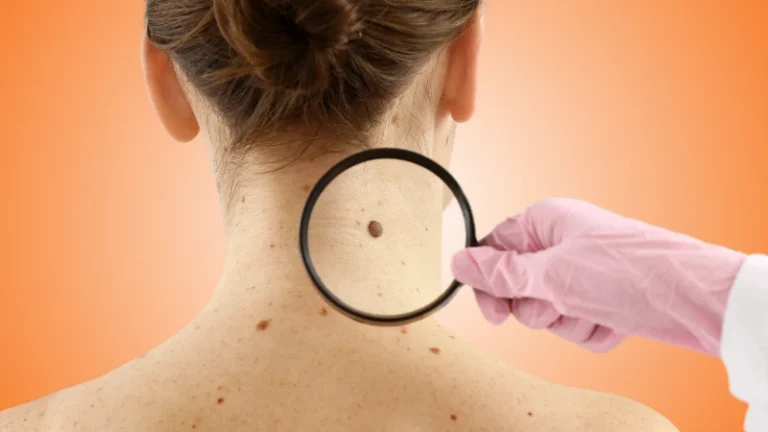
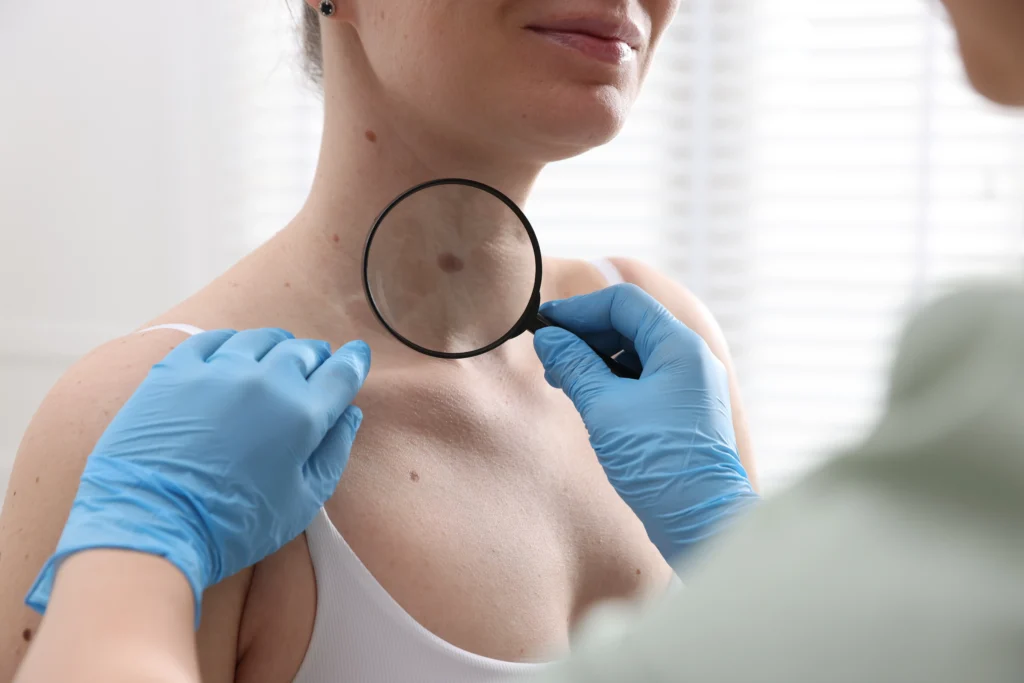
Next comes the hands-on part. A UK skin cancer charity’s guide to early diagnosis describes the tool most patients notice first, a dermatoscope, a handheld instrument a bit like a magnifying glass with its own light source, used to examine a lesion far more closely than the naked eye allows. It doesn’t touch the skin painfully or require any preparation, and the examination itself is quick.
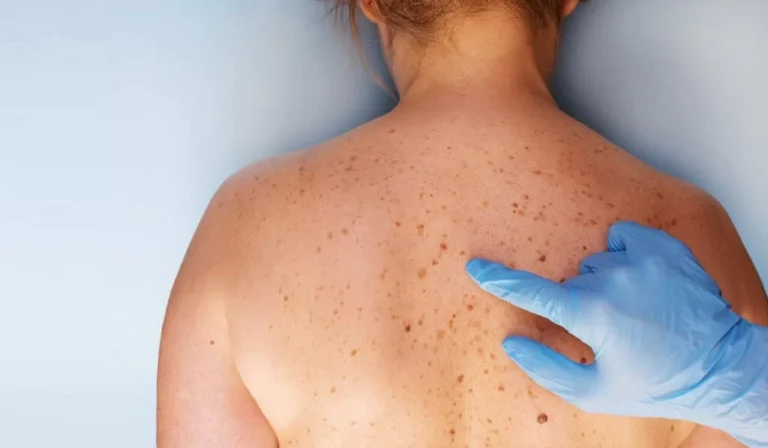
Depending on your history, the surgeon may also check other areas of skin, not just the lesion that brought you in, since a thorough first visit is as much about your overall risk picture as the one spot you’re worried about.
Discussing findings and what happens next
What happens after the examination depends entirely on what’s found. Sometimes the clinical picture is clear enough to discuss treatment options directly. More often, a biopsy, taking a small tissue sample for laboratory analysis, is the next step, since a definitive diagnosis usually needs that confirmation before any treatment decision is made.
Where Mohs surgery is a genuine possibility, it’s discussed as one option among others at this stage, not booked automatically. How Mohs surgery scheduling actually works in the UK covers what happens between a suspected diagnosis and a confirmed surgery date in more detail, since it’s rarely a same-visit decision.
How long it actually takes
Most first consultations run somewhere between 30 and 60 minutes, longer than many patients expect, precisely because history-taking, examination, and a genuine discussion of findings all take real time when done properly. A rushed five-minute appointment isn’t the standard to expect, and it’s fair to ask for more time if you feel you haven’t had it.
Your role in the conversation
A first visit works best as a two-way conversation rather than something that happens to you. A national audit of dermatology outpatient services carried out with the British Association of Dermatologists and Royal College of Physicians found that around 90% of departments routinely involve patients in decisions about their own care, and a similar proportion provide written or signposted information to take away. Being asked what matters to you, and being genuinely included in the decision, is the expected standard rather than an extra.
The GMC’s professional standards on decision making and consent set out the same principle from the regulator’s side, patients are entitled to ask questions, understand their options, and be genuinely part of the decision, not simply told what will happen.
If you’re feeling anxious about the appointment
Feeling nervous before a first skin cancer appointment is genuinely common, and worth naming rather than pushing aside. Managing anxiety before skin surgery covers practical ways to feel more in control before an appointment, most of which apply just as well to a first consultation as to a surgery date.
If you’d like to understand more about Miss Rakhee Nayar’s training and approach before your first visit, her background as a dual-trained Mohs and plastic surgeon is a useful starting point, and questions ahead of your appointment are always welcome through the contact page.
FAQ
How long does a first skin cancer consultation take?
Most first visits run between 30 and 60 minutes, covering your history, an examination, and a discussion of findings and next steps.
Will I get a diagnosis at my first visit?
Sometimes the clinical picture is clear enough to discuss straight away, but a biopsy is often needed to confirm a diagnosis before any treatment decision is made. A first visit is usually the start of that process, not the end of it.
What should I bring to my first appointment?
Any referral letter or previous results, a current medication list, photos of how the lesion has changed over time if you have them, and a written list of your own questions.
Does the skin examination hurt?
No. The examination uses a handheld dermatoscope, a magnified, lit viewing tool, to look closely at the lesion. It doesn’t require any preparation and isn’t painful.
Can I ask questions during my first visit?
Yes, and you’re encouraged to. UK professional standards expect patients to be genuinely included in decisions about their own care, so asking questions is a normal, expected part of the appointment rather than an interruption.
Recommended
- About Dr Nayar
- How to schedule a Mohs consultation in the UK
- How to prepare for a skin cancer biopsy
- How to manage anxiety before skin surgery
Filed under Choosing Your Care