TL;DR:
- There are two routes to a Mohs consultation in the UK. On the NHS, your GP refers you to a hospital skin cancer team. Privately, self-paying patients can book a consultation directly, though insurers usually require a GP referral first.
- On either route, Mohs surgery is booked only after a specialist has assessed the lesion and, if the diagnosis is not certain, a biopsy has confirmed the cancer type.
- On the NHS, a clear GP appointment and the right referral coding decide which queue you join.
If you have noticed a suspicious lesion on your face or neck, there are two ways to see a Mohs surgeon in the UK. On the NHS, you cannot simply book a Mohs surgery appointment the way you would a dental check-up: your GP refers you through a structured pathway for suspected skin cancer. Privately, you can contact a surgeon’s team yourself, although insurers usually want a GP referral before they authorise treatment. This guide walks through both routes, from your GP appointment to surgery day.
Key Takeaways
| Point | Details |
|---|---|
| GP referral first (NHS) | On the NHS you need a GP referral; you cannot book Mohs surgery directly. |
| Urgent referral criteria | Correct GP coding and referral influence how quickly you are seen by specialists. |
| Specialist assessment required | Mohs suitability is determined only after your specialist appointment and biopsy review. |
| Prepare thoroughly | Bring clinical details to your GP and organise support for your Mohs surgery day. |
| Private route | Self-paying patients can book a consultation directly. Insurers usually require a GP referral first. |
How to schedule a Mohs consultation through the NHS referral pathway
Whether you are seen on the NHS or privately, Mohs surgery itself is booked only after a specialist has assessed the lesion. This is not bureaucracy for its own sake. It exists because Mohs micrographic surgery (a technique that removes skin cancer layer by layer, checking margins under a microscope as it goes) is only appropriate for specific cancer types, locations, and patient profiles. Booking surgery before that assessment would skip the clinical reasoning that decides which treatment is right for you.
Here is how the referral process actually works:
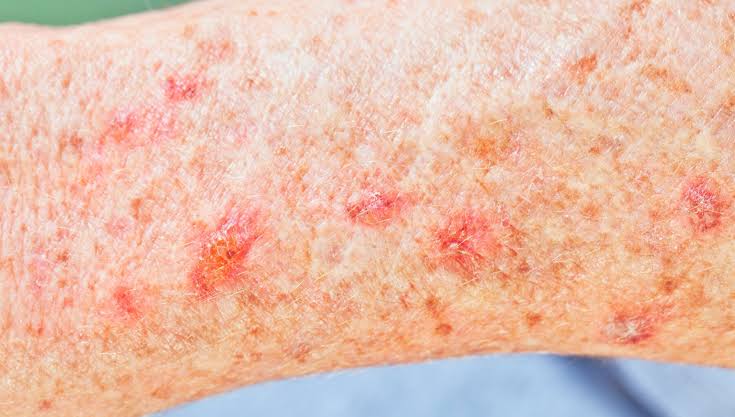
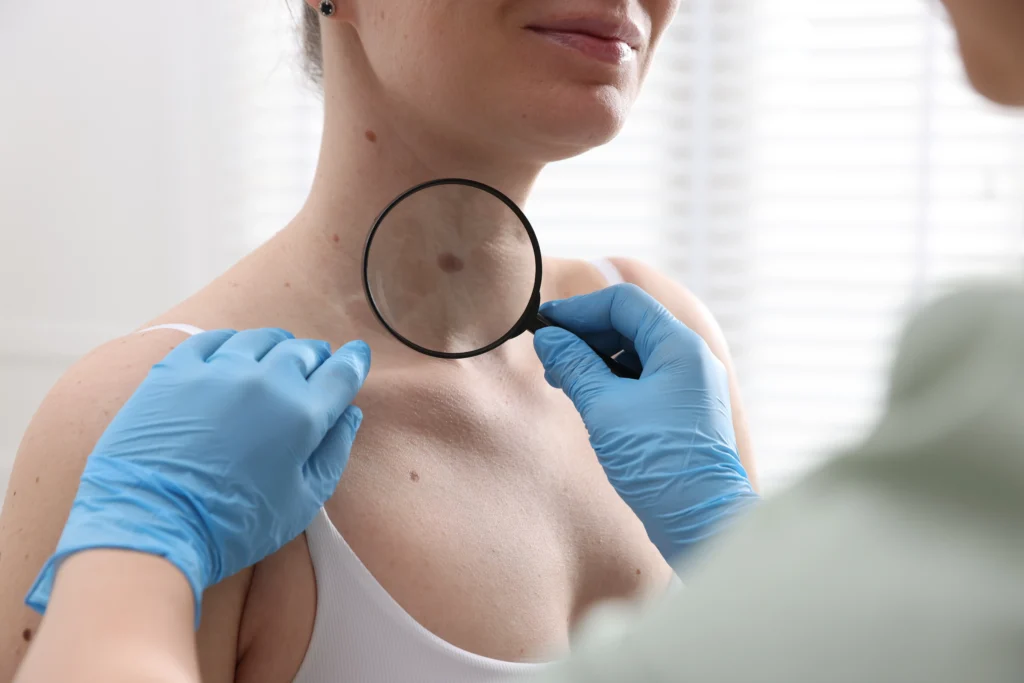
- Your GP examines the lesion and records its features, such as size, border irregularity, colour variation, or failure to heal.
- Based on clinical findings, the GP decides whether to refer you urgently or routinely.
- Urgent referrals, coded under the suspected cancer pathway, must be submitted within one working day and aim to have you seen within the national cancer target windows.
- The specialist then assesses you and decides if biopsy, Mohs surgery, or another treatment is appropriate.
- Only after that assessment is a Mohs surgery appointment formally scheduled.
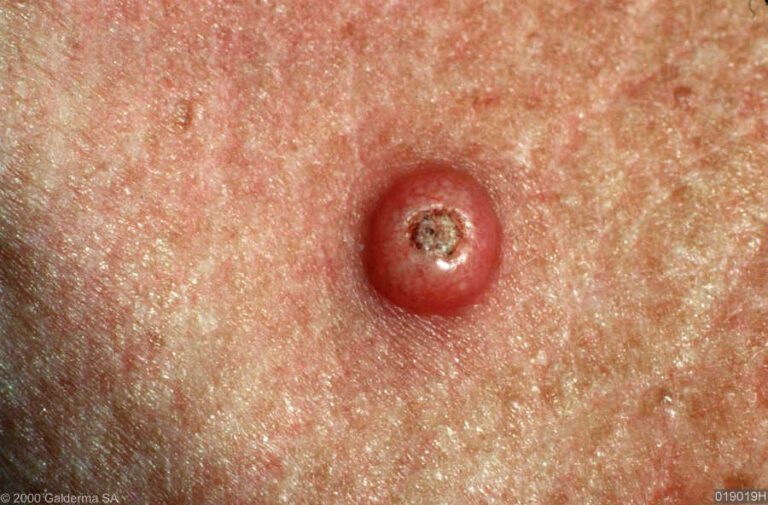
What determines urgency? The GP looks for features associated with melanoma, basal cell carcinoma (BCC), or squamous cell carcinoma (SCC). For example, a pearly, translucent nodule on the nose that bleeds and does not heal over several weeks is a classic BCC presentation, which would typically warrant an urgent referral. Understanding the high-risk skin cancer features that drive urgency decisions puts you in a much stronger position at your GP appointment.
Key point: Your referral letter should include the urgency level, clinical description, and any relevant history. If it does not, it may be triaged into the wrong queue, which directly delays your consultation.
Pro Tip: Ask your GP specifically which referral pathway they are using. An urgent suspected cancer referral and a routine dermatology referral are processed very differently. Knowing which one applies to you tells you what to expect in terms of timing.
The types of skin cancer your GP suspects will directly shape which pathway you enter, so being well-informed about your lesion before you arrive helps the conversation go further, faster.
Preparing for your GP appointment to discuss skin concerns
Think of your GP appointment as the most important step in the whole process. How well it goes can decide whether you receive an urgent referral or a routine one. This is not about exaggerating symptoms. It is about presenting your concerns clearly, completely, and in clinical language that GPs respond to.
Before your appointment, gather the following:
- Duration: When did you first notice the lesion? Has it been present for weeks or months?
- Changes: Is it growing? Has the colour, shape, or texture changed?
- Symptoms: Does it bleed, itch, crust, or fail to heal after minor trauma?
- Location: Face, scalp, ear, and lip lesions are higher-risk sites and GPs weigh location in their assessment.
- Personal history: Have you had a previous skin cancer diagnosis? Did you work outdoors for years, or have significant sun exposure history?
- Family history: First-degree relatives with melanoma or other skin cancers are clinically relevant.
The referral coding and timing your GP applies depends on how clearly the clinical picture matches suspected cancer criteria. Presenting your concerns with precision is not pushy. It is genuinely helpful to the GP and to your own care.
Pro Tip: Take photographs of the lesion on your phone over several weeks before the appointment. Visual evidence of change is far more persuasive than verbal description alone, and GPs can include this in their referral notes.
If your lesion is on a cosmetically sensitive area like the nose, eyelid, or ear, mention this explicitly. Mohs surgery is particularly favoured in these locations because it preserves as much healthy tissue as possible. Your GP knowing this may influence how they document the referral. Learning about early skin cancer detection before your appointment helps you understand which features to flag.
What happens after your referral: specialist assessment and Mohs suitability review
Once your GP submits the referral, the process moves to the specialist team. Here is what to expect at each stage:
- Referral triage: The hospital team reviews the referral and assigns a clinic slot based on urgency coding.
- Specialist consultation: A dermatologist or surgeon examines the lesion using dermoscopy (a magnified, lit skin examination tool) and clinical assessment.
- Biopsy: If the diagnosis is not clinically certain, a small tissue sample is taken for laboratory analysis. Results typically take one to two weeks.
- Treatment planning: Once biopsy results confirm the cancer type, grade, and margins, the consultant decides whether Mohs surgery is the most appropriate approach.
- Mohs appointment scheduling: Only at this stage is the Mohs surgery appointment formally booked.
| Stage | What happens | Typical timeframe |
|---|---|---|
| Referral submission | GP sends coded referral | Within 1 working day (urgent) |
| Specialist assessment | Clinical exam and dermoscopy | Urgent referrals in England: cancer diagnosed or ruled out within 28 days (NHS target) |
| Biopsy and results | Tissue sample sent to pathology | 1 to 2 weeks post-biopsy |
| Treatment decision | Consultant confirms Mohs suitability | At or after results appointment |
| Mohs surgery scheduling | Surgery date confirmed | Varies by clinic and availability |
Mohs is chosen after specialist review of biopsy results and clinical features, never before. This matters because some lesions that look like BCCs are actually something else entirely, and the treatment approach changes accordingly.
Private consultations: the same clinical logic applies. The surgeon assesses the lesion, and arranges a biopsy if the diagnosis is not certain, before booking Mohs surgery. What changes is that you can arrange the first consultation yourself.
Pro Tip: At your specialist assessment appointment, ask the consultant directly whether Mohs surgery is likely to be recommended based on the lesion’s location and type. This helps you plan practically, particularly if surgery on the face means time off work or childcare arrangements. Review the Mohs surgery steps so you understand what confirmed surgery will involve.
Tips for a smooth Mohs consultation journey and appointment-day preparation
Once Mohs surgery is confirmed, preparation becomes the difference between a stressful day and a well-managed one. The procedure is done under local anaesthetic (you are awake but the area is numb), and the process can take several hours because each tissue layer is examined before the next is removed. This is not a 30-minute outpatient visit.
Practical preparation before your surgery day:
- Arrange transport: You must not drive after Mohs surgery. The local anaesthetic, the potential for reconstruction, and the emotional toll of a long procedure all mean you need someone to collect you.
- Bring a support person: They do not need to be present during the procedure, but having someone to wait with you reduces anxiety during what can be a lengthy day.
- Dress comfortably: Loose, dark clothing that does not need to go over your head is practical, particularly if the surgery is on your face or scalp.
- Bring your medication list: Include all prescription medications, over-the-counter drugs, and supplements. Some affect bleeding, and the surgeon needs to know.
- Eat a normal breakfast: Unlike general anaesthetic procedures, you do not need to fast. Arriving hungry and anxious is an unnecessary burden on a long day.
- Ask your questions at pre-op: This is the moment to raise everything. How will the wound be closed? Will reconstruction be needed? What does recovery look like for your specific site?
Reminder: Mohs surgery on the nose, eyelid, or ear often requires reconstructive closure, which may extend your appointment. Your surgeon should prepare you for this possibility in advance.
Pro Tip: Write your questions down before the pre-op consultation. When you are nervous, it is easy to forget what you intended to ask. A written list means nothing important gets left unanswered.
Why the referral pathway helps you on the NHS
On the NHS, the referral pathway is how you reach the right clinician, in the right order, with the right clinical information already documented. It is not a hurdle to get around.
Patients who understand the pathway can actively participate in moving it forward. They present to their GP with clear, well-documented clinical information. They ask about referral urgency coding. They follow up when confirmation letters are delayed. They know what questions to ask at specialist assessment. Each of these small actions compresses the timeline without bypassing any of the clinical checks that keep you safe.
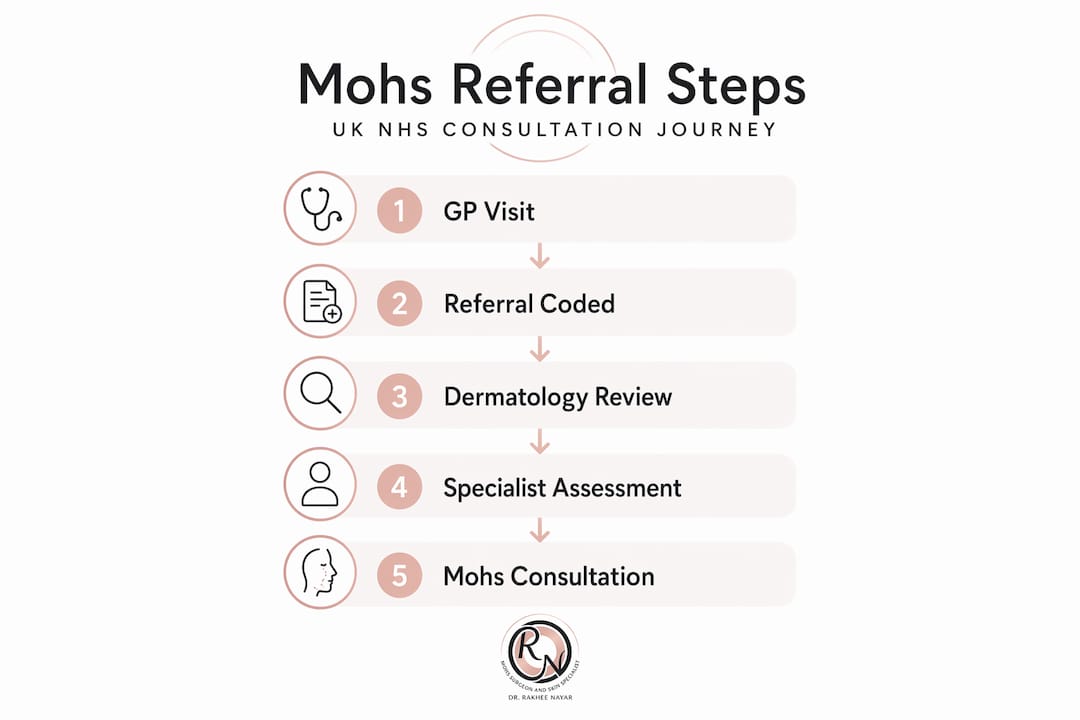
The referral submission timing and coding determine which priority queue you enter for NHS specialist services. An urgent referral submitted the same day your GP sees you joins a different queue from a routine one submitted a week later.
There is also a broader truth here. Patients who arrive at specialist assessment informed about Mohs surgery, having read about why Mohs is chosen for facial cancers, tend to have more productive consultations. They ask better questions, understand the treatment recommendations more quickly, and are less likely to need repeated follow-ups to address basic anxieties. The referral pathway is your ally when you know how to work with it.
How to book a private Mohs consultation with Miss Rakhee Nayar
Miss Rakhee Nayar is a Consultant Plastic Surgeon and Mohs surgeon, and one of fewer than 10 women in the UK dual-trained in both plastic surgery and Mohs micrographic surgery. She sees private patients at Circle Cheshire Clinic in Northwich and Fairfield Independent Hospital in St Helens.
To arrange a consultation, send an enquiry or call Lisa, Miss Nayar’s secretary, on 07740 306144. There is no charge for an enquiry and no obligation to book. If you are using health insurance, the insurance guide explains the referral and authorisation your insurer will usually ask for.
If you are not sure yet whether a lesion needs Mohs surgery, the guides to skin cancer detection and Mohs surgery for BCC explain what is checked first. If you want to understand what surgery day involves before you commit, the Mohs surgery preparation guide covers it in detail.
Frequently asked questions
Can I book a Mohs consultation directly without a GP referral in the UK?
On the NHS, no: your GP assesses the lesion and makes a coded referral first. Privately, yes. Self-paying patients can book a consultation directly, though a referral letter is helpful if you have one, and insurers usually require a GP referral before they authorise treatment.
How quickly can I expect to be seen after my GP refers me?
If your GP refers you urgently for suspected cancer, the NHS in England aims, under its Faster Diagnosis Standard, for cancer to be diagnosed or ruled out within 28 days of the referral. This replaced the two-week wait target for a first appointment in October 2023.
What should I bring to my Mohs surgery appointment?
Arrange transport home in advance, bring a complete medication and allergy list, wear comfortable clothing, and do not attend alone. The procedure can take several hours and driving afterwards is not safe.
Is Mohs surgery decided before or after specialist assessment?
Mohs suitability is decided after specialist review of your biopsy results and clinical features. No responsible surgeon schedules the procedure before that assessment is complete.
Can a private e-consultation help before an appointment?
It can. A private e-consultation lets a specialist review your case remotely and make recommendations before an in-person appointment. Whether Mohs surgery is right is still decided after the lesion has been assessed and, usually, a biopsy result is available.
Recommended
- What is Mohs Micrographic Surgery? | Miss Rakhee Nayar
- Why choose Mohs surgery for facial skin cancer removal?
- Mohs surgery myths vs facts: what patients need to know
- Contact Miss Nayar’s team
Filed under Choosing Your Care