Key Takeaways:
- Topical treatments such as imiquimod, 5-fluorouracil and photodynamic therapy are reserved for low-risk, superficial basal cell carcinoma, never for high-risk BCC or squamous cell carcinoma.
- A Cochrane review found imiquimod carries roughly ten times the recurrence rate of surgical excision at three years, 16.4% compared with 1.6%.
- UK guidelines only support topical treatment when a patient is unsuitable for, or actively declines, standard surgery.
- Mohs surgery remains the standard for high-risk, recurrent, or cosmetically sensitive basal and squamous cell cancers.
Creams for skin cancer are real, and they do work for a specific group of patients. But they aren’t a milder alternative to surgery that anyone can choose instead. UK guidelines restrict them to a narrow set of low-risk cases, and using them outside that group means accepting a meaningfully higher chance the cancer comes back.
Knowing where that line sits, and why, makes the conversation with your dermatologist or surgeon far easier once a biopsy result is in hand.
What “topical treatment” actually means
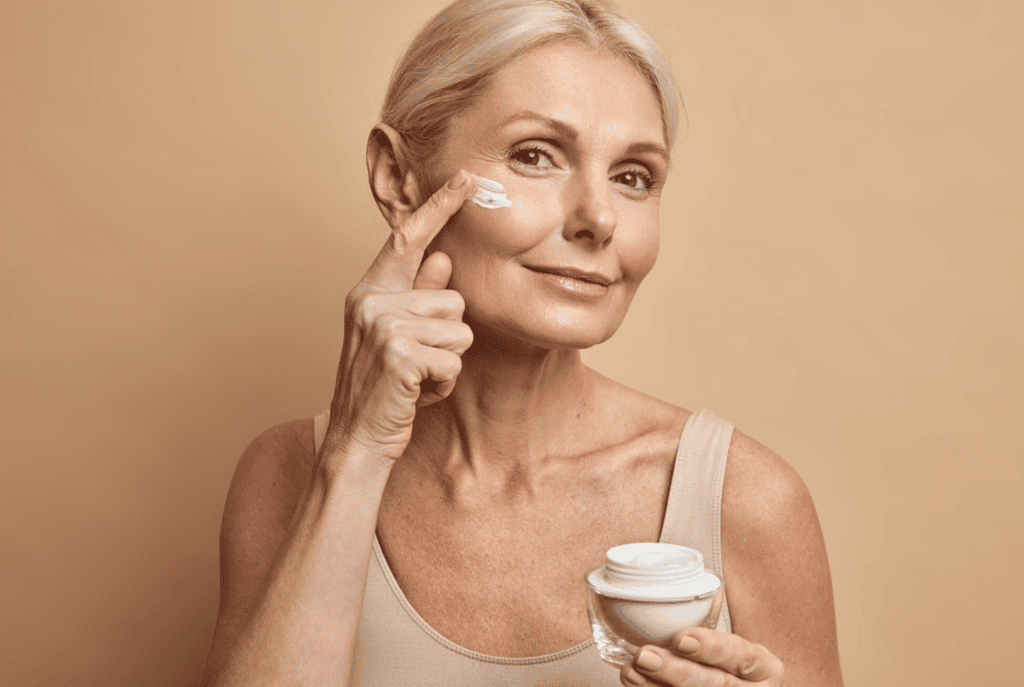
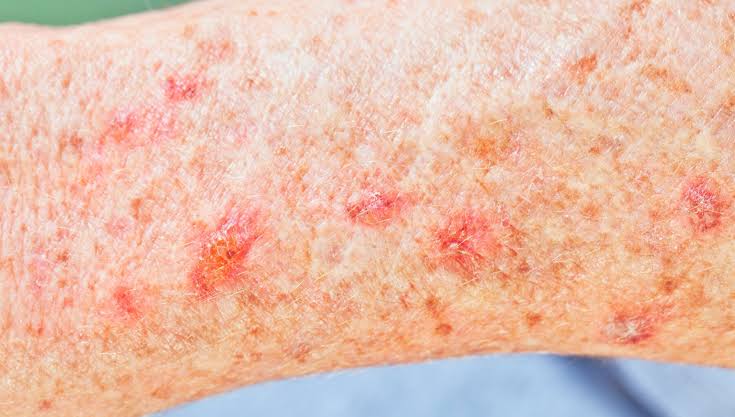
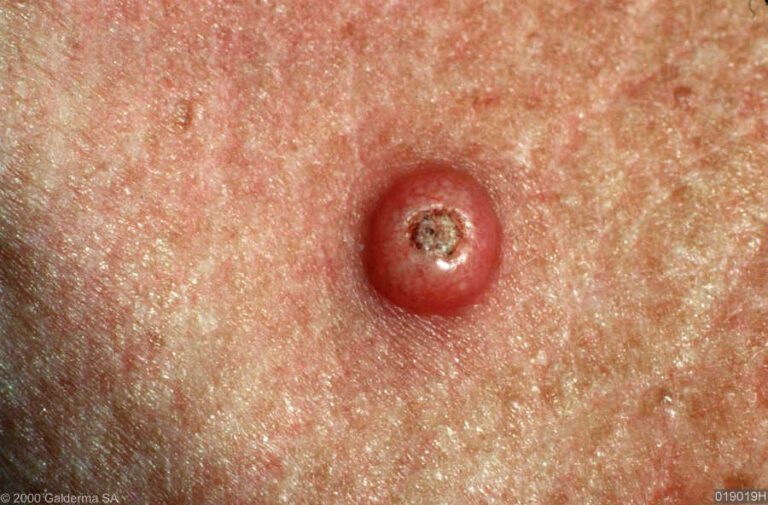
Three non-surgical options come up most often for basal cell carcinoma. Imiquimod is a cream that works by triggering a local immune response against the abnormal cells. 5-fluorouracil, sometimes shortened to 5-FU, is a topical chemotherapy cream that targets rapidly dividing cells. Photodynamic therapy, or PDT, combines a light-sensitising cream with a specific wavelength of light to destroy the cancerous tissue.
All three are applied over several weeks rather than in a single sitting, and all three work by damaging the abnormal cells in place rather than physically removing them, which is the central reason they behave differently to surgery. The Christie NHS Foundation Trust’s overview of basal cell carcinoma covers the same three options alongside cryotherapy and curettage as part of the wider treatment picture.
Who topical treatment is actually for
British Association of Dermatologists guidance is specific on this point: topical imiquimod, 5-fluorouracil or PDT should be offered to adults with low-risk basal cell carcinoma who are unsuitable for, or decline, standard surgical excision. Low-risk generally means a small, superficial subtype, in a location away from the central face, with no prior treatment and no features suggesting aggressive growth.
What counts as low-risk versus high-risk is covered in more detail on the About Basal Cell Carcinoma page, since subtype and site are what your dermatologist is actually weighing when they mention creams as an option.
Why it isn’t offered for high-risk BCC or squamous cell carcinoma
The same guidelines are equally direct in the other direction: topical imiquimod, 5-fluorouracil, cryosurgery and PDT should not be offered for high-risk basal cell carcinoma. That includes larger lesions, aggressive subtypes, recurrent tumours, and anything on the central face, around the eyes, nose, lips or ears, where a cream simply can’t reach deep or wide enough to be reliable.
Squamous cell carcinoma sits outside this conversation almost entirely. SCC behaves differently to BCC and carries a real risk of spreading if not fully removed, so topical treatment isn’t considered a standard option for it. What squamous cell carcinoma is and how it’s treated sets out why surgery is the default there almost regardless of size.
The recurrence gap, in real numbers
A Cochrane systematic review published in the British Journal of Dermatology compared outcomes directly. Imiquimod carried around ten times the recurrence risk of surgical excision at three years, 16.4% versus 1.6%, widening to an eightfold difference at five years. Photodynamic therapy performed similarly poorly against surgery, with recurrence rates as high as 36.4% at three years for one PDT method, against 0% for surgery in the same comparison.
The review’s own conclusion is worth quoting directly: nonsurgical treatments are less effective than surgical treatments, but for genuinely low-risk cases, the recurrence rates that remain are considered acceptable, which is exactly why creams stay on the list of options rather than being withdrawn altogether. Cure rates in Mohs surgery puts these figures alongside what surgical excision and Mohs surgery specifically achieve, for comparison.
Cream vs surgery at a glance
| Topical treatment (imiquimod, 5-FU, PDT) | Surgery (excision or Mohs) | |
|---|---|---|
| Suitable for | Low-risk, superficial BCC only | Any risk level of BCC, and SCC |
| Typical recurrence at 3 years | 16% to 36%, depending on method | Under 2% for excision; under 1% for Mohs |
| Treatment course | Several weeks of self-applied cream or clinic PDT sessions | A single appointment, or staged appointments for Mohs |
| Confirms the margin is clear | No, response is assessed visually over time | Yes, tissue is examined directly |
| Scarring | Usually minimal | A managed surgical scar, often the trade-off for certainty |
Why surgery, and Mohs surgery specifically, stays the default
Surgery physically removes the tumour and allows it to be examined under a microscope, so there’s a definite answer about whether the margin is clear. That certainty is exactly what topical treatment can’t offer, since a cream’s success is judged by how the skin looks afterwards rather than by direct tissue examination.
Mohs surgery takes that certainty further again, checking 100% of the surgical margin during the procedure itself rather than sampling it afterwards, which is why it’s typically reserved for high-risk, recurrent or cosmetically sensitive cases. What Mohs micrographic surgery actually involves explains how that margin-checking process works in practice, and how it differs from a standard excision.
The full range of treatment approaches, including where topical options fit alongside excision and Mohs surgery, is set out on the skin cancer treatment and surgery page.
What the decision actually looks like in practice
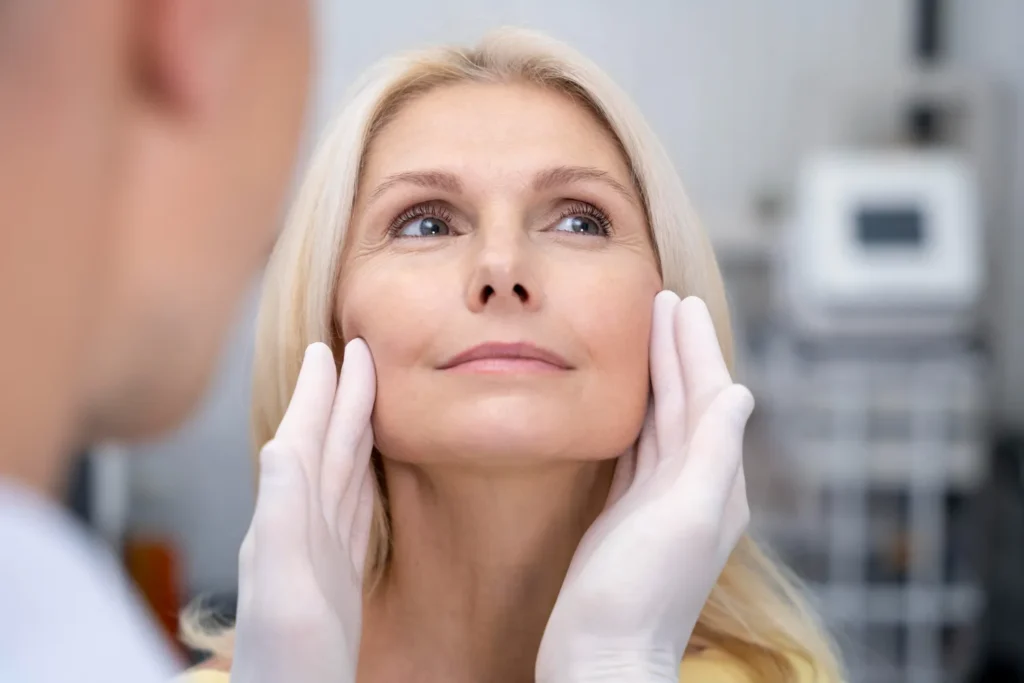
In a real consultation, the choice usually comes down to three things confirmed after biopsy: the subtype of BCC, its exact location, and whether it’s a first occurrence or a recurrence. A small, superficial BCC on the trunk or a limb is a genuine candidate for a cream if you’d prefer to avoid surgery. The same lesion on the nose, or any recurrence, generally isn’t.
Patient preference and suitability for surgery, mobility, anticoagulant medication, or a strong wish to avoid a scar, are legitimate parts of that conversation too, but they only come into play once the lesion itself has been confirmed as genuinely low-risk.
FAQ
Can I choose cream instead of surgery for skin cancer?
Only if your biopsy confirms a low-risk, superficial basal cell carcinoma. UK guidelines don’t support topical treatment for high-risk BCC or for squamous cell carcinoma, regardless of personal preference.
How long does topical treatment take to work?
Imiquimod and 5-fluorouracil are typically applied over several weeks, and photodynamic therapy is usually delivered across one or two clinic sessions with a follow-up review afterwards to check the response.
What happens if topical treatment doesn’t work?
If the lesion doesn’t fully respond, or recurs later, surgery becomes the next step. Because creams don’t confirm a clear margin the way surgery does, ongoing review after treatment matters.
Is Mohs surgery more painful than using a cream?
Mohs surgery is done under local anaesthetic, so the procedure itself isn’t painful, though the treated area is usually sensitive for a few days afterwards. Topical treatments avoid a procedure but often cause weeks of redness, crusting and irritation as they work.
Does the NHS offer topical treatment for basal cell carcinoma?
Yes, where a case meets the low-risk criteria. Your dermatologist will confirm whether you’re a suitable candidate based on your biopsy result before offering it as an option.
Recommended
- Skin Cancer Treatment & Surgery
- About Basal Cell Carcinoma (BCC)
- What is Mohs Micrographic Surgery?
- Cure rates in Mohs surgery: what patients need to know
Filed under Choosing Your Care