
TL;DR:
- Surgeons play a crucial role in cancer care by diagnosing, staging, removing tumors, and supporting ongoing treatment. They perform biopsies, assess tumor margins, and collaborate within multidisciplinary teams to optimize outcomes. Surgical expertise—including minimally invasive and reconstructive techniques—significantly influences survival, function, and quality of life.
The role of surgeon in cancer treatment is to diagnose, stage, remove tumours, and support the full arc of a patient’s care through specialised interventions that directly affect survival and quality of life. Surgical oncology, the recognised clinical discipline covering these responsibilities, sits at the centre of most cancer treatment plans. Whether you have been diagnosed with a solid tumour, a skin cancer, or a cancer affecting an internal organ, a surgeon will almost certainly be involved at multiple points in your care. Understanding what that involvement looks like helps you ask better questions and make more confident decisions.
How do surgeons diagnose and stage cancer during treatment?
The surgeon’s first contribution is often confirmation of the diagnosis itself. Before any treatment plan is agreed, a surgeon performs a biopsy to confirm the cancer diagnosis, removing a tissue sample for laboratory analysis. This step is not optional or administrative. Without a confirmed tissue diagnosis, no oncologist can prescribe chemotherapy or radiotherapy with confidence.
Staging is the second critical function, and it is more dynamic than most patients realise. Cancer staging is not fixed before surgery. Pathology from the surgical specimen can alter the stage entirely, which then changes the treatment plan that follows. A tumour that appeared localised on imaging may show lymph node involvement once the surgeon examines the tissue directly. That finding shifts the stage upward and may trigger additional therapies.
During the operation itself, the surgeon assesses tumour size, location, and spread in real time. This intraoperative assessment adds information that no scan can provide. The findings feed directly into post-operative discussions with the wider team about whether further surgery, radiotherapy, or systemic treatment is needed.
- Incisional biopsy: a portion of the tumour is removed for analysis
- Excisional biopsy: the entire lesion is removed, serving as both diagnosis and initial treatment
- Sentinel lymph node biopsy: checks whether cancer has spread to nearby lymph nodes
- Fine needle aspiration: a less invasive option for accessible lumps or masses
Pro Tip: Ask your surgeon specifically whether the biopsy result could change your staging, and what that would mean for your treatment options. This single question often unlocks a much clearer conversation about your care pathway.
What surgical procedures are used to treat cancer?
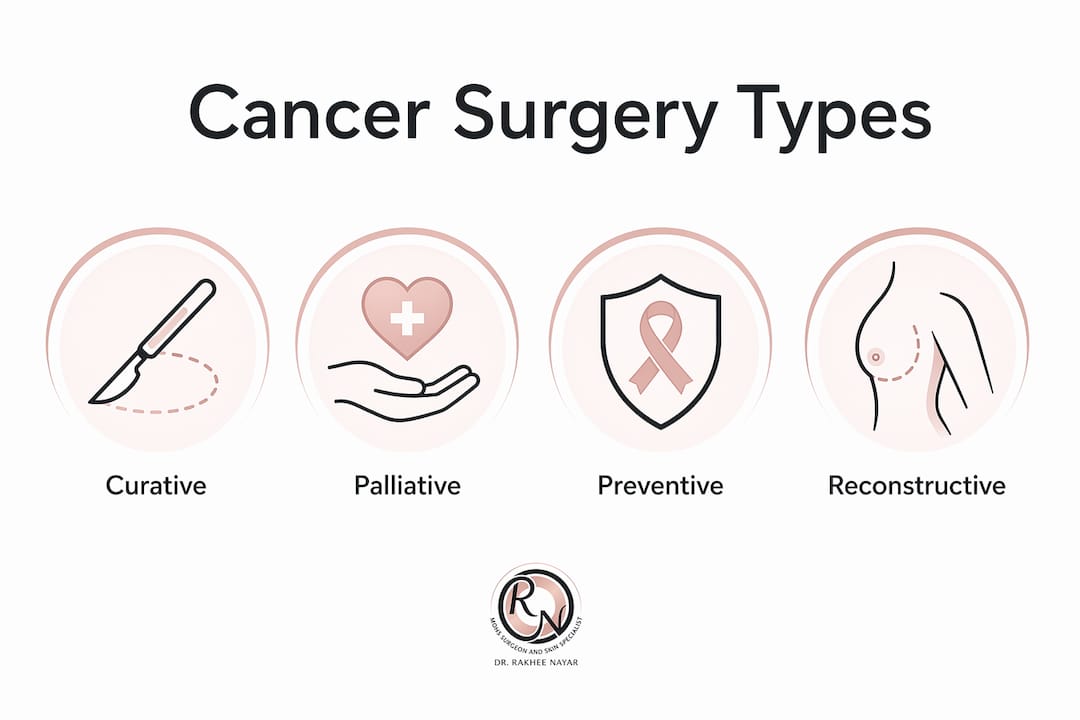
Surgery can treat cancer through several distinct goals: curative removal, symptom relief, prevention, and reconstruction. The procedure selected depends on the cancer type, its location, its stage, and your overall health. Understanding the intent behind each type helps you understand what your surgeon is trying to achieve.
Curative surgery
Curative surgery aims for complete removal of the tumour with clear margins around it. Curative surgery targets R0 resections, meaning no residual tumour is left behind. The surgical margins classification (R0, R1, R2) tells the team whether the resection was complete. An R0 result means clear margins. R1 means microscopic residual disease at the margin. R2 means visible tumour remains. This classification directly determines whether further treatment is needed and what the long-term recurrence risk looks like.
Palliative and preventive surgery
Palliative surgery does not aim to cure. It relieves symptoms, reduces tumour bulk to improve the effectiveness of other treatments, or removes obstructions that cause pain or dysfunction. Preventive (prophylactic) surgery removes tissue at high risk of becoming cancerous, such as in patients with known genetic mutations like BRCA1 or BRCA2.
Reconstructive surgery
Reconstructive procedures restore form and function after tumour removal. For skin cancers on the face, this is particularly significant. The goal is not cosmetic in a superficial sense. It is about restoring the structures that allow you to speak, eat, see, and feel confident in your appearance.
| Surgical type | Primary goal | Typical context |
|---|---|---|
| Curative (R0 resection) | Complete tumour removal | Early to mid-stage solid tumours |
| Palliative debulking | Symptom relief and tumour reduction | Advanced or inoperable cancers |
| Prophylactic | Remove high-risk tissue before cancer develops | Genetic predisposition, precancerous lesions |
| Reconstructive | Restore function and appearance | Post-excision defects, particularly on the face |
Surgical procedures range from open surgery to keyhole, robotic-assisted, laser, and cryosurgery. The technique chosen affects recovery time, precision, and the risk profile of the operation. Robotic and minimally invasive approaches reduce trauma to surrounding tissue, improve precision, and speed recovery. They represent a genuine shift in what surgical oncology can achieve for patients who are suitable candidates.
Pro Tip: If your surgeon recommends a particular technique, ask why that approach suits your specific tumour location and size. The answer will tell you a great deal about their experience and the reasoning behind your care plan.
How does the surgeon collaborate within multidisciplinary cancer teams?
No surgeon operates in isolation. Surgeons are integral to multidisciplinary teams that include medical oncologists, radiation oncologists, radiologists, pathologists, and specialist nurses. These teams meet regularly, often weekly, to review each patient’s imaging, pathology results, and clinical findings before agreeing on a treatment plan. The surgeon’s input at these meetings shapes whether surgery comes first, follows chemotherapy, or is combined with radiotherapy.
The sequence in which treatments are delivered matters enormously. Surgery before chemotherapy is called neoadjuvant therapy in reverse. Chemotherapy before surgery, known as neoadjuvant chemotherapy, can shrink a tumour to make it operable or to allow a less extensive operation. The surgeon’s assessment of tumour response to pre-operative treatment informs whether the original surgical plan still stands or needs revision.
Post-operative collaboration is equally structured. After surgery, the team reconvenes to review the pathology report, confirm the staging, and decide on adjuvant (follow-up) treatments. The surgeon remains part of this conversation, not just a technician who completes a procedure and steps back.
- Pre-operative team review: imaging, pathology, and clinical findings are discussed to agree on the surgical plan
- Intraoperative decision-making: the surgeon adapts the approach based on real-time findings
- Post-operative pathology review: the team reassesses staging and plans adjuvant treatment
- Follow-up coordination: the surgeon monitors recovery and communicates findings to the wider team
- Patient involvement: you are entitled to attend multidisciplinary team discussions or receive a full summary of the decisions made
Surgical input shapes treatment plans in ways that extend well beyond the operating theatre. A surgeon who understands tumour biology, lymph node management, and margins assessment brings a perspective that no other team member can replicate.
What are the risks, recovery expectations, and supportive roles of surgeons?
Every surgical procedure carries risk. Risks of cancer surgery include infection, bleeding, and blood clots. Most complications are minor and manageable with prompt attention. Your surgeon will explain the specific risks relevant to your procedure, your anatomy, and your general health before you consent to the operation.
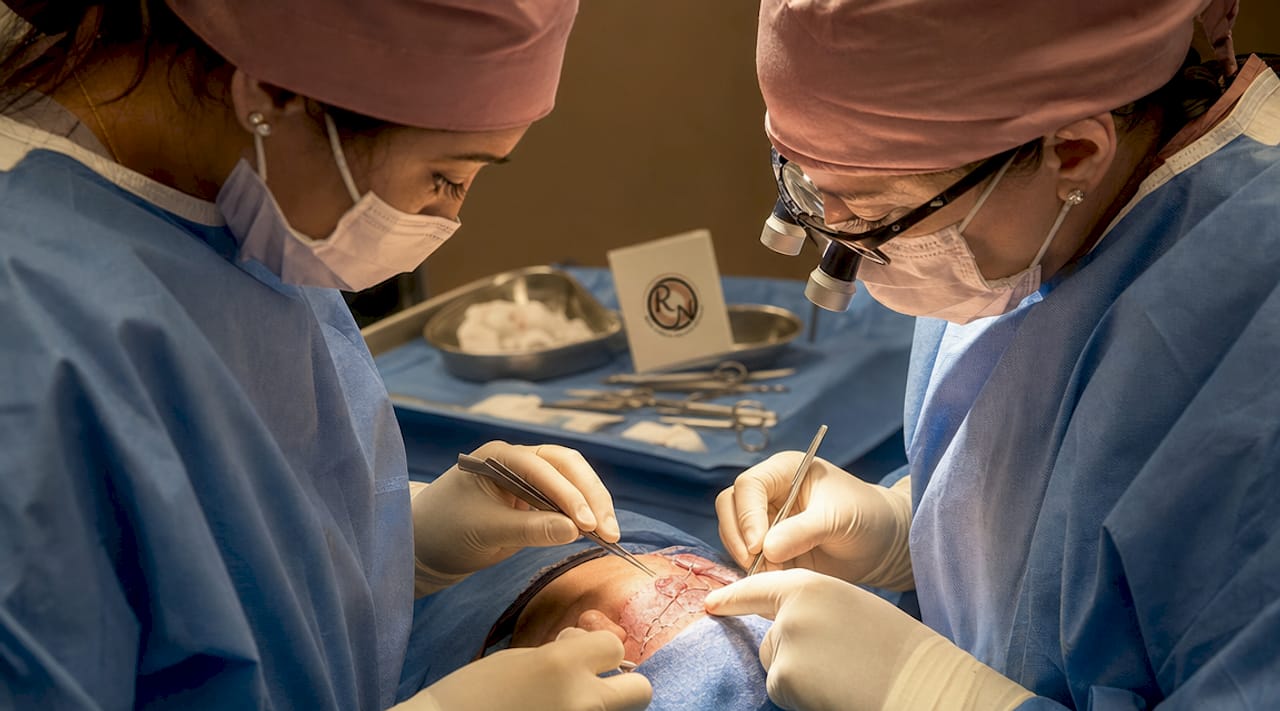
Recovery timelines vary considerably depending on the type and extent of surgery. A Mohs micrographic surgery procedure for a small skin cancer on the face may allow you to return home the same day. A major abdominal resection for colorectal cancer may require a hospital stay of several days and a recovery period of weeks. Your surgeon will give you a realistic timeline and clear instructions on wound care, activity restrictions, and warning signs to watch for.
- Wound infection: redness, warmth, swelling, or discharge at the surgical site
- Bleeding: unusual bruising or blood loss beyond what was expected
- Deep vein thrombosis: calf pain or swelling, particularly after longer operations
- Anaesthetic reactions: managed by the anaesthetist, but worth discussing pre-operatively
- Functional changes: depending on the organ or tissue removed, some patients experience changes in sensation, movement, or bodily function
Supportive surgeries such as inserting a central venous catheter for chemotherapy delivery, placing a feeding tube, or performing a stoma are common parts of surgical cancer care. These procedures improve the effectiveness of other treatments and protect your quality of life during a demanding treatment period.
“Surgical oncology training focuses on disease eradication while preserving organ function and patient quality of life.” MassiveBio
Surgical oncologists are distinct from general surgeons. Their specialised training in tumour biology, margins assessment, and lymph node management directly influences treatment success. Choosing a surgeon with specific oncology expertise is not a luxury. It is a decision that affects your long-term outcome.
Key takeaways
The surgeon’s role in cancer treatment spans diagnosis, staging, tumour removal, reconstruction, and ongoing collaboration with the multidisciplinary team, making surgical expertise one of the most consequential factors in your overall outcome.
| Point | Details |
|---|---|
| Diagnosis and staging | Surgeons confirm diagnosis via biopsy and can alter staging based on intraoperative findings. |
| Surgical intent varies | Procedures may be curative, palliative, preventive, or reconstructive depending on cancer type and stage. |
| Margins classification matters | R0, R1, and R2 results determine whether resection was complete and guide further treatment decisions. |
| Multidisciplinary collaboration | Surgeons contribute to team decisions before, during, and after surgery, not just in the operating theatre. |
| Specialised training counts | Surgical oncologists bring distinct expertise in tumour biology and lymph node management that general surgeons do not. |
What I have learned about the surgeon’s role that most patients are never told
Patients often arrive at their first surgical consultation believing the surgeon’s job is to remove the tumour and hand them back to the oncologist. That framing undersells what a skilled surgical oncologist actually does, and it can lead patients to underestimate how much the quality of that surgical encounter shapes everything that follows.
The margin result from your operation is not just a number on a pathology report. It determines whether you need further surgery, whether radiotherapy is indicated, and what your recurrence risk looks like over the next decade. I have seen patients who were told their surgery “went well” without anyone explaining that an R1 result meant the conversation was far from over. That gap in communication is avoidable, and it starts with patients knowing what questions to ask.
The other thing I would say is this: the technical skill of the surgeon and their understanding of reconstruction are not separate concerns. For skin cancers on the face, the dual-trained surgeon advantage is real. A surgeon who can remove the tumour with precise margins and then reconstruct the defect in the same sitting produces better functional and aesthetic outcomes than a two-stage process involving different clinicians who have never spoken to each other. That is not a marketing claim. It is a structural reality of how care is delivered.
I would also push back on the idea that minimally invasive techniques are always preferable. Robotic and keyhole approaches are excellent where they are appropriate. But for certain skin cancers, particularly those on cosmetically sensitive areas of the face, Mohs micrographic surgery offers something those techniques cannot: real-time margin assessment with the highest tissue conservation of any method available. The right technique is the one matched to your specific cancer, not the one with the most impressive technology attached to it.
— Rakhee
Expert skin cancer surgery at Rakhee Nayar’s specialist clinic

Miss Rakhee Nayar is a dual-trained Mohs surgeon and plastic surgeon based in North West England, offering one of the most precise approaches to skin cancer removal available in the UK. Her practice combines Mohs micrographic surgery with expert facial reconstruction, meaning tumour removal and repair are planned together from the outset. For patients with basal cell carcinoma or squamous cell carcinoma on the face or other cosmetically sensitive areas, this integrated approach delivers high cure rates alongside the best possible aesthetic outcomes. Private consultations and e-consultations are available for both UK-based and international patients. If you are considering your surgical options, explore Mohs surgery services to understand what specialist care looks like in practice.
FAQ
What does a surgical oncologist do differently from a general surgeon?
Surgical oncologists receive specialised training in tumour biology, margins assessment, and lymph node management that general surgeons do not. This expertise directly influences whether a resection achieves clear margins and what treatment follows.
Can surgery alone cure cancer?
Surgery can cure cancer when the tumour is detected early and removed with clear margins (R0 resection). For many cancers, surgery is combined with chemotherapy or radiotherapy to reduce recurrence risk.
How is the type of cancer surgery decided?
The choice of procedure depends on cancer type, stage, tumour location, and your overall health. Your surgeon presents options within the multidisciplinary team, and the final plan reflects both clinical evidence and your personal circumstances.
What does an R0 result mean after cancer surgery?
An R0 result means no residual tumour was found at the surgical margins, indicating complete resection. It is the target outcome for curative surgery and is associated with the lowest long-term recurrence risk.
What is Mohs surgery and when is it used for skin cancer?
Mohs micrographic surgery is a precise technique for removing skin cancers layer by layer, with real-time margin assessment at each stage. It is particularly suited to basal cell carcinoma and squamous cell carcinoma on the face and other areas where tissue conservation matters.
Recommended
- Advantages of dual-trained surgeons explained
- Aesthetic surgery after cancer: options and expert insights
- Expert plastic surgery in skin cancer care: best results
- Cosmetic outcomes in skin cancer surgery explained
Filed under Choosing Your Care